

Moving to Dominican Republic: visas, banking and SIM cards
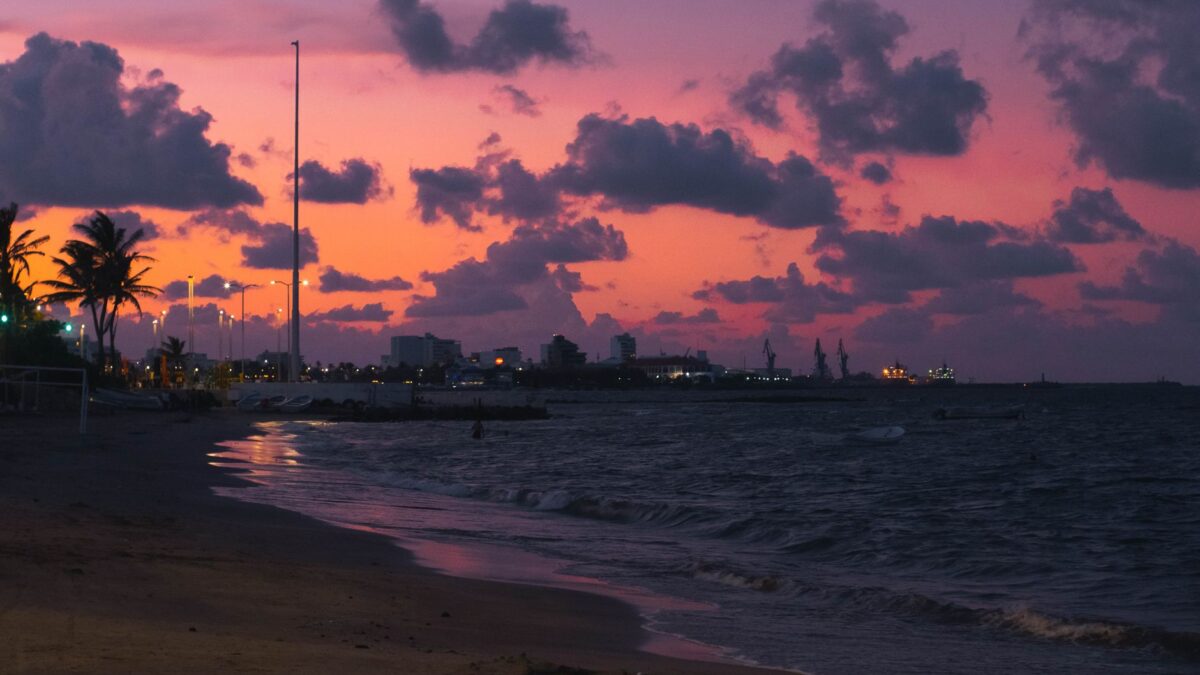
It’s mid-November in Santo Domingo, and the air is thick with that sticky, rain-prone humidity that signals the tail end of the wet season. If you’re standing near the Malecón on Avenida George Washington right now, you might notice a bit of tension; earlier this week, firefighters and police had to manage a hazardous chemical spill that reacted badly with the water used to cool it down, partially closing the boulevard. But past the sirens, the city is already sliding into its long holiday run-up. You’ll hear aguinaldos drifting from street corners, see Christmas lights starting to blink on in Piantini, and catch the scent of pasteles en hoja wafting from local kitchens. Moving here isn’t just about the weather or the merengue; it’s about untangling the bureaucratic knots before they tighten around your ankles.
The First Few Days: Entry, E-Tickets, and Visa Realities
If you are arriving from the US, Canada, UK, EU, or many Latin American countries, you likely think you need no visa. That’s mostly true for short stays. The tourist card fee—around US$10—is baked into your airfare, so you don’t pay it at the airport. However, there is one non-negotiable digital step: the mandatory free E-Ticket (eticket.migracion.gob.do). You must complete this form before arrival AND before departure. It generates a QR code per person (up to seven people can share one form), and immigration officers will scan it at both ends. Do not skip this, or you will be stuck in a queue while everyone else flies out.
Once you land at Las Américas International Airport (SDQ), you have options. A metered taxi costs US$25–35, while the official airport taxi stand charges US$40–50. Uber is often cheaper, pulling up from a dedicated pickup zone for around US$10–20. The drive takes 30–45 minutes depending on traffic. Note that passport validity rules have been relaxed for tourists: from December 1, 2025, through December 31, 2026, US, UK, EU, Canadian, Brazilian, Chilean, Argentine, Colombian, and Ecuadorian passports only need to be valid for the duration of your stay, not six months beyond it.
If you plan to stay longer than 30 days, overstaying is routine but costly. You pay a graduated ‘prolongation’ fee at the airport on exit rather than at an embassy. For those looking to settle, residency starts abroad with an RS visa at a Dominican consulate. Once approved, you fly in and have 30 days to deposit originals at the Dirección General de Migración (DGM) on Autopista 30 de Mayo. Missing this window incurs penalties. The standard Ordinary Temporary Residence (RT-9) takes about 90 business days and costs roughly RD$14,000 in filing fees alone, plus RD$4,200–6,300 for medical exams. Retirees under Ley 171-07 enjoy a faster ~45-day process if they prove US$1,500/month in pension income. Remember: every foreign document must be apostilled and translated by a court-certified interpreter.
Banking: Why You Need a Cédula Before You Spend
One of the biggest shocks for newcomers is realizing that opening a bank account as a tourist is nearly impossible. Banks generally require your cédula de identidad de extranjero (residency ID), a passport, proof of local address, and sometimes a reference or initial deposit. Until you have that card, you are living off cash and cards. While international cards work in malls like Blue Mall or Ágora, the colmados (corner stores) and markets still rule in pesos.
For daily transactions, rely on ATMs inside banks or secure malls. The major players are Banco de Reservas (Banreservas), which has the widest branch network, and Banco Popular Dominicano, the largest private bank. BHD, Banco Santa Cruz, and Scotiabank are also solid options. Keep in mind that when you dine out, menu prices do not include tax or service. Expect an additional 18% ITBIS (tax) and a 10% legal service charge added to your bill. A full criollo lunch—a plate of rice, stewed beans, braised chicken, salad, and tostones—at a local comedor runs about RD$200–350 (roughly US$5), but at a mid-range restaurant, expect to pay RD$500–800 (about US$11) for a main dish.
Connectivity: SIM Cards and Home Internet
You need a local number immediately for two reasons: verifying ride-share apps and registering for services. The three carriers are Claro, Altice, and Viva. Prepaid chips are sold at their branded stores and kiosks in major malls like Blue Mall, Ágora Mall, and Acrópolis Center. Bring your passport; SIM registration is strictly tied to ID verification.
For home internet, fiber optics are reliable in the expat hubs of Piantini and Naco, offering speeds between 50–150 Mbps. Both Claro and Altice provide eSIM options for phones, which is convenient for travelers who don’t want to carry physical trays. If you’re renting a modest one-bedroom flat in a neighborhood like Gazcue or El Vergel, rent typically runs RD$26,000–38,000 (around US$540). In pricier areas like Piantini, expect significantly more. Always verify if utilities and internet are included in the lease, as these costs add up quickly.
Getting Around: Metro, Taxis, and Safety
Santo Domingo is sprawling, and navigating it requires strategy. The Metro system is efficient and cheap. A single ride costs RD$20 (about US$0.30), a fare that has been frozen for over a decade. You can buy a rechargeable Boleto Viajero card that works on the Metro, the Teleférico cable car, and OMSA bus corridors. An integrated ticket costing RD$35 allows transfers within 30–45 minutes. However, the Metro does not reach the Zona Colonial, the Malecón, or Faro a Colón. For those areas, use app-based rides like Uber, DiDi, inDrive, or Cabify. A 5 km Uber ride usually costs RD$310–490, while a traditional taxi bajada de bandera (base fare) is around RD$150–185.
Safety is a nuanced topic. The emergency number is 911. The Zona Colonial is patrolled by CESTUR, the tourism police, and is safe during the day and early evening. However, the narrow streets empty and dim after 6 PM, so take an app taxi at night. Don’t flash watches or phones. Be aware of recent security alerts from the US Embassy regarding robberies and drugging incidents; keep your wits about you. Also, heed local safety advice regarding large venues—the tragic roof collapse at the Jet Set nightclub on the Malecón in April 2025 serves as a grim reminder to verify venue safety before booking tickets for big events.
Living Like a Local: Food, Culture, and Neighborhoods
To truly feel the city, move beyond the hotel lobby. Start in the Zona Colonial, the UNESCO World Heritage site with the oldest European-founded grid in the Americas. Walk Calle Las Damas, the first paved street in the New World, and visit the Alcázar de Colón, which reopened in late September 2026 with new museum installations. Don’t miss the Mercado Modelo on Av. Mella for amber and larimar jewelry.
For dining, skip the tourist traps in the colonial square for places like El Conuco, which offers a deep dive into Dominican countryside cuisine, or Buche Perico for creative local flavors. If you need coffee, Casa Barista & Co. and Nocciola in Naco are staples. For a casual lunch, grab a chimi (chimichurri burger) from a cart for RD$200–350, or sit down for a fresh-squeezed jugo natural alongside your meal for RD$50–100.
When choosing where to live, understand the neighborhoods. Gazcue is quiet, residential, and historic, home to embassies and the Palacio Nacional, though older buildings can be damp. Piantini is the ‘money district’ with glass towers, high-end supermarkets, and rooftop lounges, but it comes with a premium price tag. Naco, adjacent to Piantini, is slightly more residential and family-friendly, centered around Ágora Mall. Bella Vista and the Malecón offer sea views and nightlife but lack swimming beaches; for that, you’d need to head east to Boca Chica.
Santo Domingo is vibrant, chaotic, and deeply rewarding. By sorting your visas, banking, and SIM card in your first week, you free yourself to enjoy what makes this city unique: the rhythm of the merengue, the warmth of the people, and the slow, sweet slide into the holiday season.
Frequently asked questions
Do I need a visa to enter the Dominican Republic?
Citizens of the US, Canada, UK, EU, and many Latin American countries enter visa-free for 30 days. A tourist card fee is included in airfare, but you must complete the free E-Ticket online before arrival.
How much does a monthly rent cost in Santo Domingo?
Rents vary by district. A modest one-bedroom in areas like Gazcue or El Vergel costs around RD$26,000–38,000 (approx. US$540). Premium areas like Piantini are significantly more expensive.
Can I open a bank account as a tourist?
Generally, no. Banks typically require a residency card (cédula), passport, and proof of address. Tourists should rely on ATMs and credit cards until residency is processed.
What is the best way to get around Santo Domingo?
Use the Metro for RD$20 per ride for central travel. For the Zona Colonial, Malecón, or Faro a Colón, use app-based rides like Uber or DiDi, as the Metro does not serve these areas.
Is the Zona Colonial safe at night?
It is safe during the day and early evening with tourism police presence. After 6 PM, streets can empty and become dim; taking an app taxi is recommended for nighttime movement.
Things to do in Dominican Republic
 Professional Photographer in Punta Cana for Private Events
 VIP Transfer from Punta Cana Airport to Punta Cana / Bavaro Hotel
 Special offer
Buggy & ATV Adventure with 3 stops, Typical House + Beach + Cenote
 Hip Hop Party Boat Punta Cana with Snorkeling Only Adults
 Private Luxury Catamaran - Saona or Catalina island
 PARTY BOAT - Private Sailing Catamaran