

Moving to Egypt: visas, banking and SIM cards
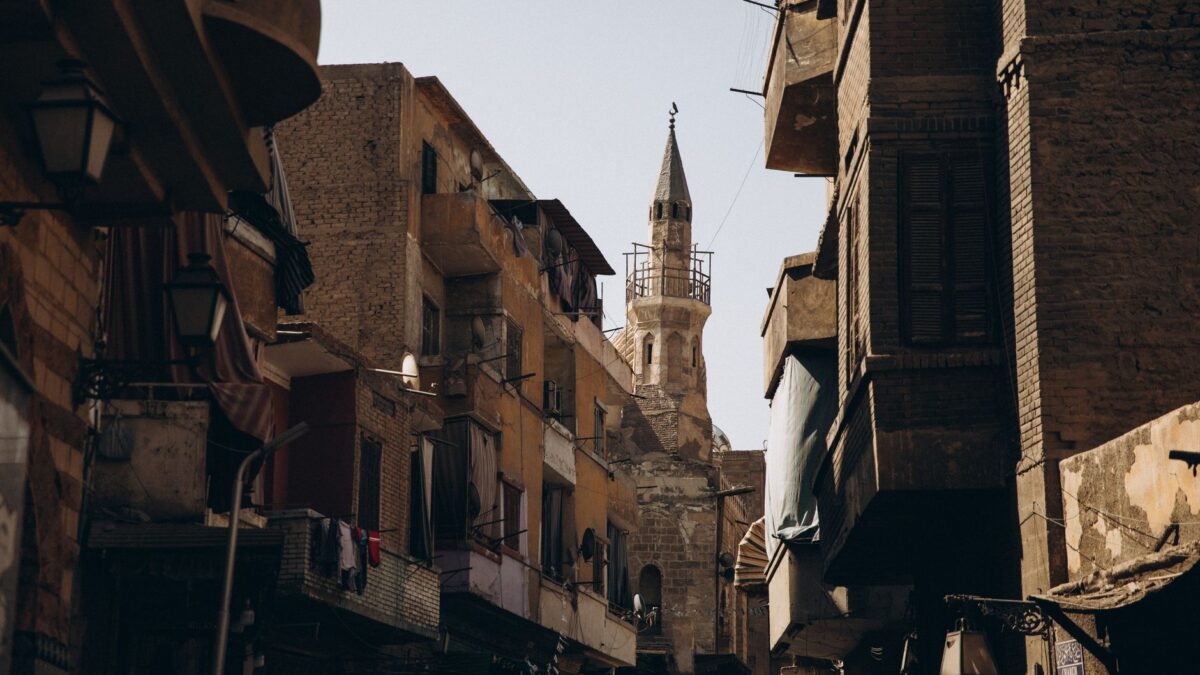
The air in Cairo still holds the day’s heat well into October, a dry, hazy warmth that clings to your skin until the sun dips below the horizon. You’ve just stepped off the plane at Cairo International Airport, greeted by the familiar scent of dust and distant exhaust, and now you face the practical maze of settling in. As someone who has navigated these streets for years, I know that the first week is less about sightseeing and more about securing your foundation: your legal status, your money, and your connection to the world back home. It can feel daunting, but with the right local knowledge, it becomes a series of manageable steps rather than a bureaucratic nightmare.
Entry and Residence Basics
Your journey begins before you even leave your home country, though you have options once you land. Since August 1, 2026, Egypt has streamlined entry for many nationalities through a Digital Visa-on-Arrival system. This is often the fastest route if you are arriving for tourism. For $36 USD—broken down as $30 for the visa plus a $6 fee—you can generate a QR code via the official portal visaonarrival.gov.eg, their dedicated mobile app, or the self-service VISA KIOSK machines located before passport control. These kiosks accept card payments only, so ensure you have a credit card ready. The QR code is valid for approximately 48 hours, giving you some flexibility, but do not wait until the last minute.
If you prefer to sort this out from abroad, the traditional e-visa via visa2egypt.gov.eg costs $30 for single entry or $65 for multiple entries. Regardless of which route you choose, remember that your passport must be valid for at least six months beyond your arrival date and contain two blank pages. If you plan to stay longer than the initial tourist period, you will eventually need to register with the General Directorate of Passports and Immigration to obtain a residence permit, but for those first few weeks, your tourist entry stamp is your primary document.
Opening a Bank Account
Once you clear customs, you might notice the Banque Misr counter in the arrivals hall; this is a reliable place to exchange currency if you need immediate cash. While you can survive on foreign cards for a while, having a local account simplifies life significantly, especially when paying rent or dealing with local vendors who may not accept international cards.
Banks in Cairo are generally efficient, though they require patience. Locals and expats commonly use state-owned institutions like the National Bank of Egypt (NBE) and Banque Misr, or private banks such as Commercial International Bank (CIB) and HSBC. To open an account, you will typically need your passport and proof of an Egyptian address. If you have already secured housing, bring your lease agreement. If you are staying in a hotel temporarily, ask the management if they can provide a letter confirming your stay, though some banks may insist on a permanent address for full account activation. Foreign-currency accounts are common for expats, allowing you to hold dollars or euros alongside Egyptian pounds (EGP). Given the current economic climate, where inflation sits around 14.1% and the currency fluctuates, keeping some funds in hard currency can be a prudent hedge.
Getting a Local SIM Card
You cannot function in modern Cairo without a local SIM card. Data is cheap, essential for navigation, and vital for ride-hailing apps. At the airport, you will find counters for Vodafone, Orange, Etisalat (e&), and WE (Telecom Egypt). You can purchase a prepaid SIM with a data bundle immediately upon arrival. The process is straightforward: hand over your passport for mandatory registration, and the agent will activate the line. Tourist SIMs usually come with short-validity packages, such as monthly data bundles, which are perfect for your initial settlement phase.
If you miss the airport counters, you can visit any branded store in the city, but ensure you bring your passport. Registration is strictly enforced, and unregistered lines are deactivated. Once active, download your preferred banking and transport apps immediately. The Cairo Metro, run by the National Authority for Tunnels, uses rechargeable contactless ‘Metro Cards’ tapped at gates. Fares depend on distance: up to nine stops cost roughly EGP 10, while longer trips up to 39 stations can reach EGP 20. A monthly subscription offers better value if you commute daily, starting at EGP 390 for one zone.
Navigating Costs and Daily Life
Cairo remains relatively affordable compared to other major global cities, but prices have climbed steadily through 2025 and 2026 due to fuel price hikes and IMF-backed reforms. Understanding the local cost structure helps you budget realistically. A modest one-bedroom flat in the city averages around EGP 14,600 per month, which translates to roughly $320 USD. If you are looking for temporary accommodation, mid-range hotels or guesthouses in central Cairo start at about EGP 850 per night.
Food costs vary widely. An inexpensive meal at a local restaurant runs about EGP 250 ($6), while a three-course dinner for two at a mid-range establishment is closer to EGP 1,550 ($35). Coffee culture is thriving; expect to pay around EGP 90 for a cappuccino. Basic groceries are also accessible: a litre of milk is approximately EGP 49, and a loaf of white bread costs about EGP 40. Transportation is cheap but chaotic. A single metro trip is under EGP 10, while a white-taxi meter opens at EGP 13.5. However, safety is paramount. Violent crime is low in tourist zones like Zamalek and near the Pyramids, but petty theft and overcharging are common. Street harassment of women is a real issue, so dress conservatively and stay alert. Road traffic is arguably the most significant daily danger; aggressive driving and weak pedestrian protections mean you should always use registered taxis or ride-hailing apps like Uber, especially at night.
Where to Settle In
Your choice of district will define your early days in Egypt. Zamalek, a leafy upscale area on Gezira Island, is often called the ‘Manhattan of Cairo.’ It is home to the embassy quarter, numerous cafes, and the iconic Cairo Tower. It is expensive but safe and walkable. Maadi, south of the centre, is the greenest, most residential area with a long-established expat community, villas, and the Nile Corniche promenade. It feels more suburban and relaxed.
For those on a tighter budget, Downtown Cairo around Tahrir Square offers French-influenced architecture and budget hotels, though it can be noisy. Heliopolis, northeast of downtown near the airport, is a planned suburb with early-20th-century charm. Old Cairo (Coptic Cairo) and Islamic Cairo offer historic immersion, with sites like the Hanging Church and Khan el-Khalili bazaar, but they are less ideal for quiet residential living. As you settle, take time to explore. Visit the Grand Egyptian Museum (GEM) near the pyramids, opened in late 2025, or enjoy the cultural vibrancy of Downtown venues during events like the D-CAF festival. The key is to move slowly, respect the local pace, and let Cairo reveal its layers to you.
Frequently asked questions
How much does a tourist visa cost for Egypt in 2026?
The digital visa-on-arrival is $36 USD ($30 visa + $6 fee), while the traditional e-visa is $30 for single entry or $65 for multiple entry.
What documents are needed to open a bank account in Cairo?
You typically need a valid passport and proof of an Egyptian address, such as a lease agreement or a hotel confirmation letter.
Is it easy to get a local SIM card at Cairo Airport?
Yes, all major providers (Vodafone, Orange, Etisalat, WE) have counters in arrivals. You must present your passport for mandatory registration.
What is the average monthly rent for a one-bedroom flat in Cairo?
A modest one-bedroom flat averages around EGP 14,600 (approximately $320 USD), though prices vary by district.


