

Moving to Ethiopia: visas, banking and SIM cards
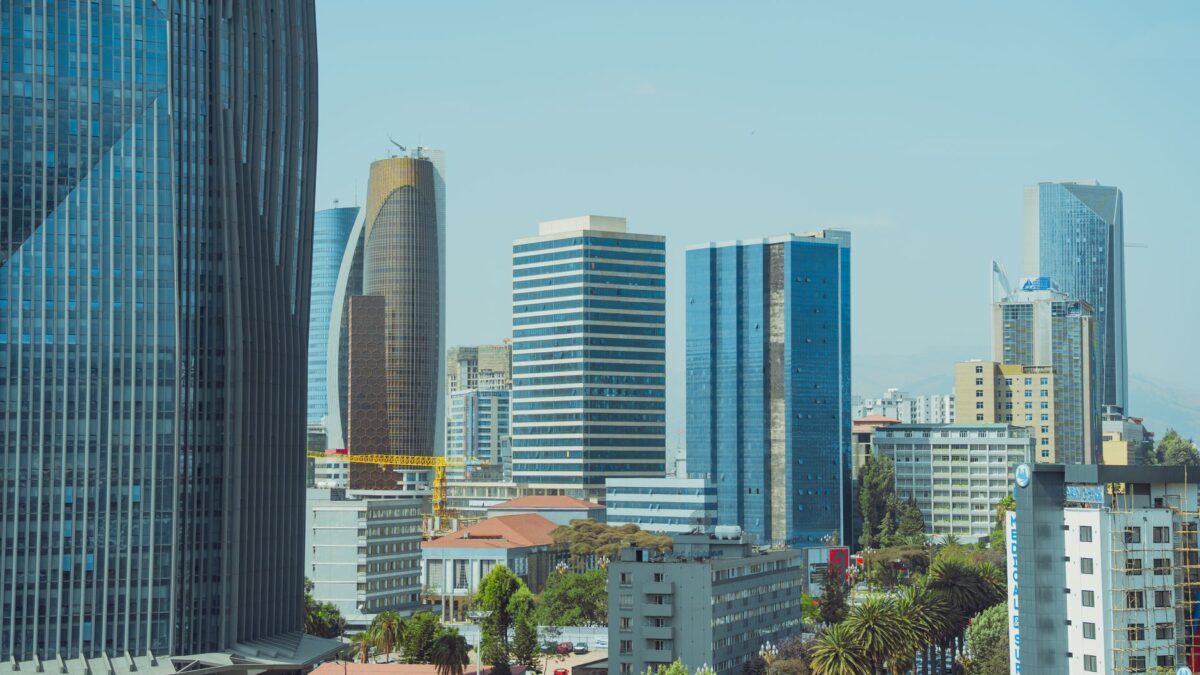
The eucalyptus hills of Entoto are invisible this morning. August in Addis Ababa means the kiremt rains have wrapped the city in grey, and the thunderstorm that rolled through at dawn has left the roundabouts glistening and the lanes of Bole Road slick with water. I’m sipping a macchiato at Tomoca Coffee in Piazza, the old Italian-era quarter where the faded colonnades smell of roasted beans and wet asphalt, and I’m thinking about how many newcomers I’ve met this week — aid workers, digital nomads, students — all asking the same three questions: How do I stay? How do I get money? How do I get a SIM? So let’s walk through it, the practical first-week setup for a longer stay in Ethiopia’s capital.
Entry and residence: visas and the all-important yellow card
First things first — get your visa sorted before you land if you can. The official e-visa portal at evisa.gov.et offers tourist visas for 30 or 90 days, and most nationalities can also get a visa-on-arrival at Bole International Airport, paid in US dollars (single-entry roughly USD 52–82). Your passport needs to be valid for at least six months with two blank pages, and — this is critical — you must carry a yellow fever vaccination certificate. I’ve seen people turned back at Bole for not having it. Kenyan and Djiboutian citizens are exempt, but everyone else, check twice.
Once you’re in, if you plan to stay beyond your tourist visa, head to the Main Department for Immigration and Nationality Affairs in Addis to apply for a residence permit. You’ll also need a Tax Identification Number (TIN) from the Ethiopian Revenues and Customs Authority (ERCA) — you can’t open a bank account or sign a lease without it. And don’t skip the kebele registration: your local neighborhood office will want your details, and they’ll issue you a residency letter that you’ll need for everything from internet to getting a library card. The newer Fayda ID (a 12-digit national biometric ID) is increasingly required for services and bank accounts — get it early, it’ll save you headaches.
Finding a place: the rent reality in 2026
Now, where to live? The expat-heavy districts north of the airport — Bole, Old Airport, and parts of Kazanchis — are the most convenient for embassies, cafes, and gyms. Bole is the city’s commercial artery: think Cravings Restaurant & Bar, YeGesha Specialty Cafe, and a dozen hotels from Ag Palace to Jano. Old Airport is quieter, family-friendly, with more spacious compounds. Kazanchis is the diplomatic and business hub, with Sheraton, Hilton, and Marriott all clustered on that low hill, close to the African Union HQ.
Here’s the honest part: prices have jumped. The birr was floated in 2024, and inflation is sitting around 13.2%. A modest one-bedroom flat in a decent neighborhood now runs about 25,000–50,000 birr per month (roughly $690 at current exchange). That’s not the old “cheap Ethiopia” you might have read about. Addis Fortune documented a severe rent crisis in early 2025, so budget accordingly. In the city’s newer developments, you’ll be paying in dollars or birr at negotiated rates, and most landlords want three months’ deposit upfront. Use a broker you trust, and walk the neighborhood at 7am and 9pm before signing. Also — if you’re renting, note that the City Administration extended the residential lease registration deadline from August 6 to September 5, 2026, with a new 11.25% cap on annual rent increases. That’s a big deal for tenants; you might want to register your lease at the woreda office to lock in a fair rate.
Banking: getting your money moving
The Ethiopian economy is cash-heavy, and you’ll want local birr in your pocket for everything from street food (a genfo or ful breakfast runs 80–150 birr) to a cafe lunch (shiro wot with injera, 180–350 birr). But first you need a bank. The largest and most reliable is the state-owned Commercial Bank of Ethiopia (CBE), with branches all over town — including the Meskel Square branch, impossible to miss. Awash Bank, Dashen Bank, and Bank of Abyssinia are also solid.
To open an account, bring your passport, residence permit, and TIN. It’s usually a same-day process, but expect paperwork. ATMs at major banks are the most reliable way to withdraw cash — they’ll dispense birr against your home debit card, but double-check daily withdrawal limits. Some expats also maintain a dollar account for international transfers, since the birr is not freely convertible. And if you’re working for a local employer, they might insist on paying into a CBE account. Remember, tipping is common and small, so keep a stack of 10s and 50s.
One more thing: mobile money is king. Ethio Telecom has Telebirr, and Safaricom Ethiopia runs M-PESA. You can pay for everything from a taxi to a restaurant with these, and they’re linked to your SIM, so get your SIM first.
SIM cards and staying connected
Two operators: Ethio Telecom (state-owned) and Safaricom Ethiopia (launched 2022). Both sell prepaid SIMs for about 20 birr, but you must bring your passport for registration. The process is quick at official shops — look for the orange Ethio Telecom stores or the green Safaricom booths in the airport or near Meskel Square. I’d suggest Safaricom if you want easy roaming and fast international connections, but Ethio Telecom has better coverage outside Addis if you’re heading to Bahir Dar or Hawassa.
Data plans are cheap — about 1,000 birr gets you 20+ GB, but don’t quote me on exact numbers because they change monthly. You’ll also need a recharge card or mobile app to top up. The network is generally fine in the city, but can be patchy in highlands. And remember, the new Bole Airport runway rehabilitation is paused until October 2026, so flights might be delayed — keep a book and a power bank handy.
Getting around: light rail, taxis, and the registry of daily life
Once you’re banked and connected, mobility is next. The Addis Ababa Light Rail Transit (LRT) runs two lines — east–west and north–south — and costs less than 10 birr a ride. Reloadable prepaid cards are sold at stations. City buses under Anbessa City Bus Service are even cheaper, but crowded. For door-to-door, use the Ride or ZayRide app taxis — think Uber. They’re safer than flagging down a blue-and-white minibus at night, and they’re everywhere.
You’ll also need to register your presence with the local kebele — yes, that again. The woreda office will want your passport, residence permit, and a letter from your landlord. It’s tedious, but it’s also your key to utilities, internet contracts, and getting a residence certificate later. If you’re moving here for work, your employer will usually walk you through it.
First week checklist — and a little warning
Here’s your first week, simplified:
- Day 1: Arrive at Bole, get your visa on arrival (or show your e-visa), and have your yellow fever card ready. Exchange a small amount of money at the airport — the rate is okay but not great.
- Day 2: Visit the Immigration office to lodge your residence permit application. Bring a passport photo, your yellow card, and a printout of your lease agreement.
- Day 3: Get your TIN from ERCA. This is a beast for bureaucracy — bring a coffee from a street vendor (75–225 birr, but worth it) and patience.
- Day 4: Open your bank account. CBE’s Meskel Square branch has an expat line, usually faster than the regular queue.
- Day 5: Buy a SIM from Ethio Telecom or Safaricom, register your phone IMEI, and set up Telebirr or M-PESA.
- Day 6: Register with your kebele. Your landlord will need to come with you.
- Day 7: Sleep. You’ve earned it. Maybe over a lunch of kitfo at Union Restaurant and Cocktail Bar on Bole Road.
A few final truths. Addis is generally safe by day, but use app taxis at night, and guard your wallet in the maze of Mercato — Africa’s largest open-air market, with 13,000+ traders. If you plan to travel outside Addis to regions like Amhara or Oromia, some areas require a special permit from the Ministry of Tourism. And the political mood — well, the war in Tigray is supposedly over since the 2022 Pretoria deal, but the news these days is filled with accusations of new offensives near Sheraro, and inflation is pinching everyone. You’ll hear it in the cafe conversations. Still, this city is a resilient, ancient, and astonishingly welcoming place. The rains will pass, the sun will break over Entoto, and you’ll find your rhythm. Welcome to Addis — your Addis.
Frequently asked questions
Do I need a visa to move to Ethiopia?
Most nationalities need a visa. You can apply online at evisa.gov.et for a 30- or 90-day tourist visa, or get a visa-on-arrival at Bole International Airport for about USD 52–82, paid in cash in USD. Kenya and Djibouti citizens are exempt. Your passport must be valid 6+ months, and you need a yellow fever certificate.
How do I open a bank account in Ethiopia as a foreigner?
You'll need your passport, a residence permit, and a Tax Identification Number (TIN) from ERCA. Then visit a major bank like Commercial Bank of Ethiopia, Awash, Dashen, or Bank of Abyssinia. It's usually a same-day process, but the economy is cash-heavy, so keep local birr on hand.
What is the best SIM card for expats in Ethiopia?
Two options: Ethio Telecom (state-owned) and Safaricom Ethiopia. Both require passport registration. Ethio Telecom has better network coverage outside cities, while Safaricom offers easier international roaming. Both have prepaid data plans, and you can set up mobile money (Telebirr or M-PESA) on the same SIM.
Is it safe to live in Addis Ababa?
Addis is generally safe by day, but use app taxis (Ride/ZayRide) at night and guard against pickpockets in busy areas like Mercato and Piazza. Some regions outside Addis (in Amhara or Oromia) require special permits from the Ministry of Tourism, so check before traveling.
How much does it cost to rent an apartment in Addis Ababa?
A modest one-bedroom flat typically rents for 25,000–50,000 birr per month (roughly $690). Prices have risen sharply since the 2024 birr float and inflation, so expect higher than older 'cheap expat' guides suggest. Landlords often ask for three months' deposit.
Things to do in Ethiopia
 Omo Valley Tours from Jinka
 3 Day Danakil Depression Ertale and Dallol Tours
 Addis Ababa City Tours Full Day With Hotel Pickup And Drop Off.
 Best of Addis Ababa- (full day)
 Addis Ababa Food & Market Tour – Customizable Culinary Adventure
 Discover Addis Ababa:Museums,Churche,Markets,Landmarks & Coffee