

Moving to Fiji: visas, banking and SIM cards
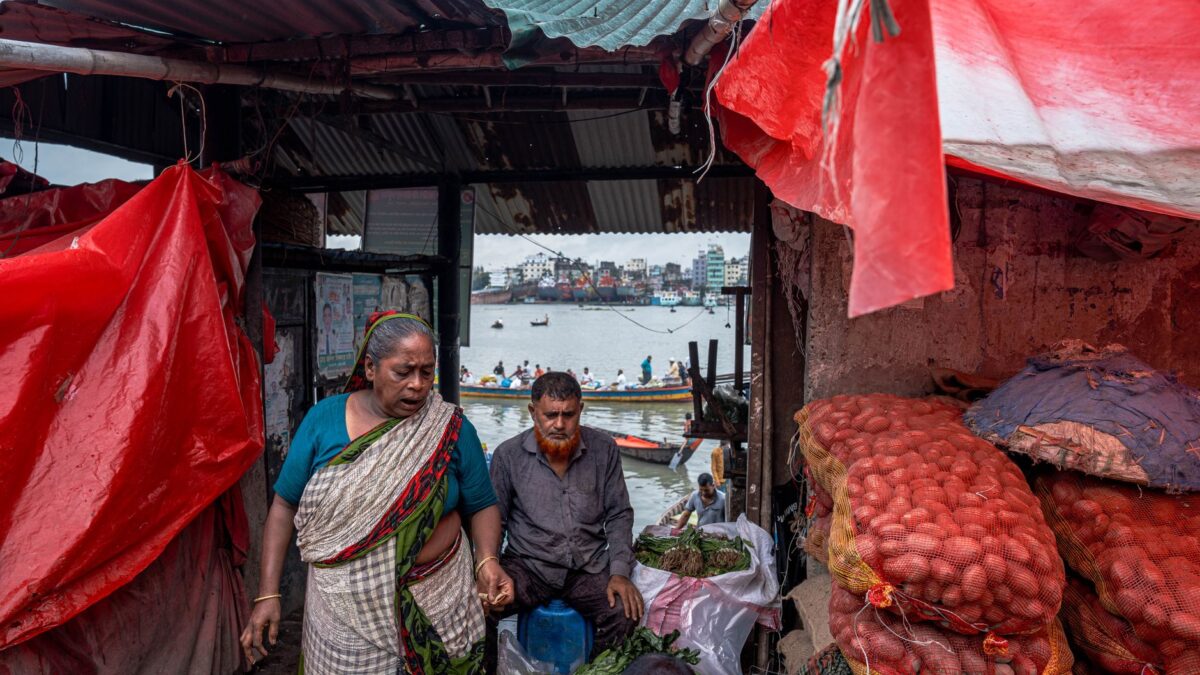
You step off the plane at Nadi or arrive by ferry in Suva, and the first thing that hits you is not just the humidity, but the rhythm of the place. Late September here is a sweet spot—the cooler, drier tail end of the season before the cyclone clouds roll in. The southeast trades are breezy, keeping the air around 21–23°C, though you might catch a quick rain shower. But while the weather is pleasant, your paperwork is not. Moving to Fiji is less about booking a resort and more about navigating a bureaucracy that moves at its own unhurried pace. If you want to stay longer than a holiday, you need to set up your life in Suva quickly. Let’s walk through the first week: visas, banks, SIMs, and where exactly you’ll be living.
The Visa Reality: It’s Not Automatic
First, let’s clear up a common misconception. You do not “get” a work visa when you land. If you are from a visa-exempt country—like the US, UK, Australia, Canada, or most EU nations—you will receive a Visitor Permit on arrival at Nadi, Suva’s Nausori Airport, or major seaports. This allows you to stay for up to four months, extendable by another two months (six months total) at a Fiji Immigration office. However, this permit has strict rules: it cannot be converted into a work permit while you are in the country.
If you intend to work, you must apply for a sponsored work permit before you arrive. For investors, the route is through Investment Fiji for a Foreign Investment Registration Certificate (FIRC). To get that initial visitor permit, you need a passport valid for six months beyond your arrival, an onward or return ticket, proof of funds, and a confirmed address. Overstaying is dangerous; you can be declared a ‘Prohibited Immigrant,’ facing fines, detention, deportation, and a re-entry ban. So, if you’re planning to stay long-term, have your sponsorship documents ready before you pack your bags.
Banking: The TIN is Your Key
Once you’ve cleared immigration, your immediate priority is financial infrastructure. In Fiji, you cannot open a bank account without a Tax Identification Number (TIN). This number unlocks everything—from banking to signing a lease. You obtain the TIN from the Fiji Revenue and Customs Service (FRCS), or you can get a Joint FRCS/FNPF ID card issued with the Fiji National Provident Fund. If you are employed locally, registration with FNPF is mandatory.
For banking, the players you actually see on every street corner are Westpac Fiji (here since 1901), ANZ, Bank South Pacific (BSP), Bank of Baroda, and HFC Bank. The Reserve Bank of Fiji (RBF) head office sits in Suva, anchoring the city’s commercial status. To open an account as a non-resident, you will need your passport, your current work or business permit from Fiji Immigration, proof of a Fijian address (a utility bill less than 90 days old, along with your tenancy agreement if renting), and proof of source of funds. Be aware that US persons must also sign a FATCA Self-Declaration Form. Some business accounts, like those at HFC, require a minimum opening balance of around FJ$1,000 plus a $35 search fee.
Keep in mind that rent swallows a large share of the average net salary here. Numbeo estimates the average net salary in Suva at near FJ$2,157 per month. A modest one-bedroom flat outside the city centre costs about FJ$733/month, while a city-centre flat runs around FJ$1,992/month. Budget accordingly.
SIM Cards and Connectivity
Fiji’s digital landscape is dominated by two mobile networks: Vodafone Fiji and Digicel Fiji. Telecom Fiji handles much of the fixed-line and broadband side, but for your phone, you need a prepaid SIM. Tourist and resident prepaid SIMs are sold at Nadi airport and throughout Suva. You will typically need to present photo ID or your passport at the point of sale to comply with registration rules. Top-up options vary by carrier, so ask in-store which works best for your data usage. Getting connected early is vital for coordinating transport, contacting landlords, and staying in touch with family back home.
Where to Stay and How to Move Around
Suva is not a beach town; it’s a working capital with distinct neighbourhoods, each with its own character. Your choice of district will define your daily experience. If you want affordability and local colour, look toward Toorak. Colonial planners once deemed it the ‘most desirable’ suburb, named after Melbourne’s Toorak, but it has flipped over time. Today, it’s known for cheap rentals, downmarket eateries, and kava saloons. The Suva Private Hospital sits at 120 Amy Street in Toorak, making it convenient for medical needs.
For a more multicultural vibe with mosques, Hindu temples, and predominantly Indian schools, consider Samabula. This big mixed residential belt is home to Borron House, once the residence of Ratu Sir Lala Sukuna. If you prefer something more residential and historically significant, Raiwaqa offers working-class, post-independence housing estates famous for their ‘Four Storey’ walk-up flats. It’s the everyday ‘real world’ of Suva, complete with its own police station.
If budget allows and you want prestige, Nasese and Muanikau are leafy, upmarket peninsulas near Government House and the Domain. At the very tip of the peninsula lies Suva Point, the city’s highest-status pocket, featuring Apted Park for sunrise views. Nabua, north-east of Samabula, is a traditional Fijian settlement run village-style by a headman, laid out after the 1952 hurricane.
Getting around Suva is straightforward but requires adaptation. The Suva Bus Stand, right by the Municipal Market, is the hub. Local bus fares are approximately FJ$1.02 for Stage 1, though note that fares were hiked in May 2026 before reverting to base fares in September with government subsidy. Urban buses have moved to cash-free e-ticketing using operator-issued top-up cards, so sort one out early. Taxis and ubiquitous mini-vans fill the gaps between scheduled services.
Life in the Capital: Safety and Culture
Suva is less relaxed than Fiji’s resort areas. Poverty and petty crime exist, so stick to well-lit central areas and avoid walking alone at night. However, the cultural richness is unparalleled. Spend your evenings at the Suva Municipal Market on the waterfront by Nabukalou Creek—it’s the heart of the CBD and the best intro to local food. Try kokoda (raw fish in coconut cream and lime) or roti from nearby stalls.
Culture here is vibrant and diverse. You might witness Hindu devotees holding processions for Visarjan immersion, or see runners gathering for events like the Viksit Bharat Run at My Suva Park. The Fiji Museum in Thurston Gardens holds the world’s most extensive collection of Fijian artefacts, including an Indo-Fijian gallery. Thurston Gardens itself, opened in 1913, is a historic botanical haven with towering royal palms. For a weekend escape, Colo-i-Suva Forest Park offers rainforest trails and waterfalls just outside the city.
Politics and history are woven into the streets. The colonial Government Buildings complex, with its foundation stone laid in 1937, stands as a reminder of the past, while Parliament now resides in a Ratu Sukuna Road complex. The 2022 election ended years of Bainimarama/FijiFirst dominance, installing a coalition government that continues to navigate truth-and-reconciliation debates. Understanding this context helps you navigate conversations and social dynamics.
Finally, embrace the cuisine. Suva’s table is Indo-Fijian—roti and curry alongside lovo earth-oven feasts. Drink yaqona (kava) at local saloons, a ritual that slows time and builds community. Whether you’re dining at My Kai Restaurant or grabbing coffee at The Coffee Hub, you’re part of a mix that includes the colourful Shree Laxminarayan Temple and the twin-spired Sacred Heart Cathedral. Welcome to Suva. Take your time, sort your papers, and enjoy the ride.
Frequently asked questions
Can I convert my visitor permit to a work permit in Fiji?
No. Fiji Immigration rules state that a visitor permit cannot be converted in-country. You must apply for a sponsored work permit before arriving.
What documents do I need to open a bank account in Fiji?
You need a Tax Identification Number (TIN), a passport, a valid work/business permit, proof of a Fijian address (utility bill under 90 days), and proof of funds. US persons also need a FATCA form.
How much does rent cost in Suva?
A modest one-bedroom flat outside the city centre costs around FJ$733/month, while a city-centre flat is about FJ$1,992/month.
Do I need cash for public buses in Suva?
No. Suva urban buses use cash-free e-ticketing with operator-issued top-up cards. You should sort out a card early upon arrival.
Things to do in Fiji
 Vavavi - Fijian Cooking & Cultural Experience
 Special offer
Private Arrival Transfer - Nadi Airport to Hotel
Special offer
Private Arrival Transfer - Nadi Airport to Hotel
 CFC Approved Private Arrival Transfer - Nadi Airport to Maui Bay Properties
 Extreme 12000ft Tandem Jump (45 seconds free fall)
 Coral Coast, Fiji - Airport to hotels. Transfer
 Special offer
Private Roundtrip Transfer - Nadi Airport to Fiji Marriott Momi Bay Resort
Special offer
Private Roundtrip Transfer - Nadi Airport to Fiji Marriott Momi Bay Resort