

Moving to Ghana: visas, banking and SIM cards
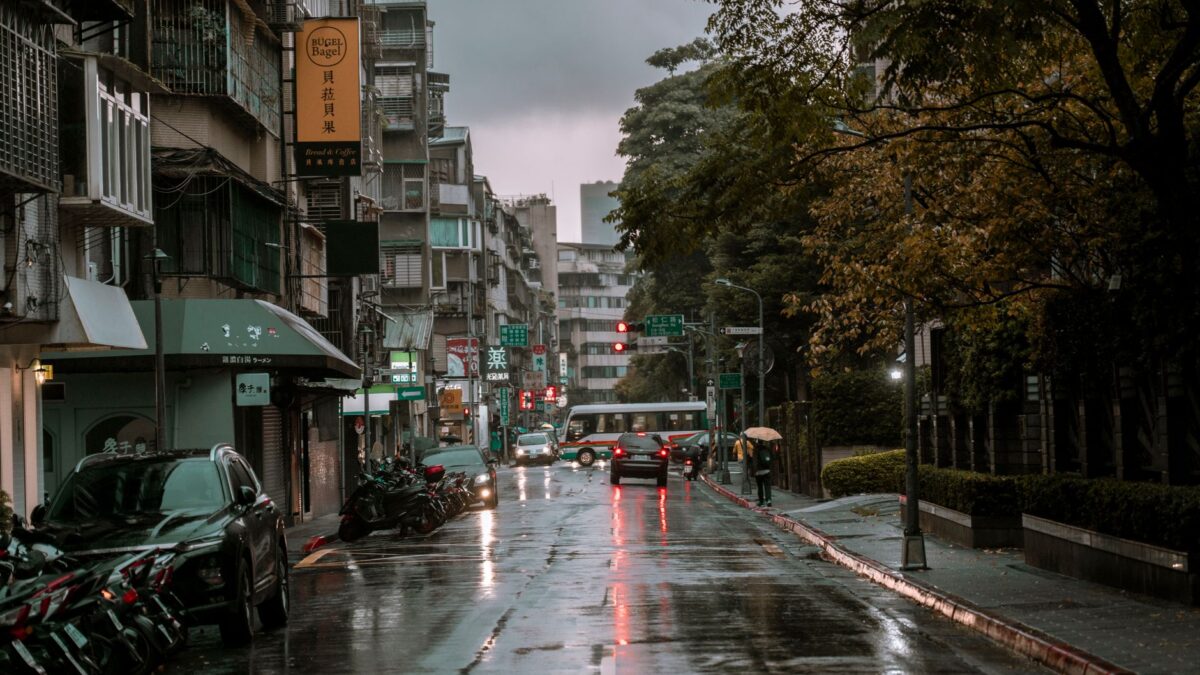
The humidity in Accra hits you before the taxi door even clicks shut. It is late October, and the air feels thick enough to drink—24°C sitting comfortably at a sweltering 36°C, with that familiar sticky embrace of the rainy season’s tail end. Outside, the sky is a bruised purple, promising the sudden, heavy downpours that will soon flood the low-lying roads near Kaneshie. You have just landed at Kotoka International Airport, your eVisa approved after a tense 72-hour wait, and your yellow fever certificate checked by a bored but thorough official. Welcome to Ghana. The city is buzzing from the recent OWO Festival wrap-up, but for you, the real work begins now: surviving the first week without losing your mind or your money.
Entry Basics and the New Digital Reality
Gone are the days of wandering into an immigration desk for a visa-on-arrival stamp. Since May 2026, the rules have tightened significantly. If you are not an ECOWAS citizen, you needed an eVisa from evisa.immigration.gov.gh before you even booked your flight. Airlines are ruthless about this; show up without pre-approval, and you will be turned away at the gate. Even if you were previously visa-exempt, you now need a free Electronic Travel Authorization. Passport validity must stretch six months beyond your entry date, and everyone over nine months old needs that yellow fever card.
Once you clear customs, do not rush to hail a street taxi. The traffic around the airport can be chaotic, especially with the ongoing construction projects pushing vehicles onto diversions. Use a ride-hailing app like Bolt, Uber, or Yango. They are active, cheap compared to traditional taxis, and save you from the negotiation headaches. A short hop to Osu or Cantonments should cost you roughly GH₵20 to GH₵50 depending on demand, which is still a bargain compared to Western standards. If you are feeling brave, you can take a tro-tro—a shared minibus—but expect to squeeze in, pay cash directly to the conductor, and navigate the intense local energy. A single trip across town runs about GH₵5 to GH₵10.
Your First SIM Card and Digital Identity
You cannot function in Accra without mobile money. It is the everyday payment rail for everything from buying vegetables at Makola Market to paying your rent. MTN Ghana has the largest coverage, though Telecel (formerly Vodafone) and AirtelTigo are strong contenders. You can buy a SIM at the airport kiosks, but remember: registration is mandatory and tied strictly to your identification. Without a valid ID, your line will be blocked after a short grace period.
This brings us to the Non-Citizen Ghana Card. If you plan to stay more than 90 cumulative days in a calendar year, you must register through the Foreigner Identification Management System (FIMS). This is not optional; it is your primary ID for banking, SIM registration, and legal compliance. You start by buying a FIMS scratch card at any major bank branch—CalBank or Access Bank are reliable choices. Then, you attend a centre for biometrics: ten fingerprints, iris scan, and a photo. Bring your passport, residence permit, and a birth certificate certified by your embassy. The first issuance costs around US$120, with renewals running US$60–78. Once you have this card, you can register your SIM immediately. It is a bureaucratic hurdle, but getting it done early saves you endless headaches later.
Banking and the Upfront Rent Shock
Opening a bank account requires patience and paperwork. You will need your passport, the Non-Citizen Ghana Card, your residence permit, and proof of address. Some banks, like Ecobank, Stanbic, Absa, GCB, Zenith, or Standard Chartered, may also ask for a local reference. Do not underestimate the importance of a local referee; it speeds up the process significantly. While you are there, load up your mobile wallet. Visa cards work more reliably than Mastercard here, but you must carry cash. ATMs outside central Accra thin out fast, and network failures are common.
Now, let us talk about housing, because this is where most newcomers hit a financial wall. Accra is cheap for food and transport, but brutal for housing. Landlords typically demand one to two years of rent upfront. For a modest, unfurnished one-bedroom flat in areas like Madina, Adenta, or Spintex, you are looking at roughly GH₵1,200 to GH₵2,000 (about $145 USD per year, though the total upfront sum is steep). Choose your district wisely. Osu is the expat quarter, dense and walkable, built around Oxford Street with its nightlife and restaurants. Cantonments is the diplomatic zone, quieter with better flood records. East Legon is the returnee suburb, filled with international schools and gated estates. Labone offers a leafy, creative middle ground between Osu and Cantonments.
Living Costs and Daily Survival
Once your accounts are set, you will find that daily life is surprisingly affordable if you eat and move locally. A cup of cappuccino at a place like Theia Coffee House or Café Kwae will set you back around GH₵50–52 (about $5), reflecting the cost of imported beans. Milk climbs similarly, costing GH₵30–42 per litre. However, the street food scene is unbeatable. A plate of waakye—rice and beans with shito, egg, and meat—at a local chop bar costs only GH₵20–40 (about $2.7). For the essential Accra experience, sit down for banku with grilled tilapia and pepper sauce at a spot like The Buka Restaurant or Treehouse Restaurant; it will cost you GH₵40–80 (about $5). Jollof rice with chicken is similarly priced at GH₵20–40.
Transportation costs add up if you rely on cars. There is no metro system or stored-value transit card in Accra. You pay per trip. If you use public buses or the Aayalolo BRT on the Amasaman corridor, your monthly commute spend might average around GH₵475 (about $45). But for most new arrivals, ride-hailing is the practical default. Be aware of safety, too. Violent crime is rare, but opportunistic bag-snatching is real. Keep your phone off the street side, especially in Osu and Circle. Avoid street taxis after dark; use apps instead. Police checkpoints are frequent on roads leaving the city at night—never hand cash directly to an officer.
The city is changing rapidly. With President Mahama’s push for digital reforms and the African Continental Free Trade Area secretariat based here, Accra is becoming a regional hub for business and development. Yet, it remains deeply rooted in its Ga heritage and highlife rhythms. As the rain clears and the evening traffic on Spintex Road builds up due to the EverGreen Church’s conference, you will realize that navigating Ghana is less about perfection and more about resilience. Get your papers in order, secure your SIM, open your account, and then step out into the heat. The city is waiting.
Frequently asked questions
Do I still need a visa on arrival for Ghana?
No. Visa-on-arrival has been discontinued. Most travelers must apply for an eVisa at evisa.immigration.gov.gh or a free Electronic Travel Authorization before boarding their flight.
How much does it cost to get a Non-Citizen Ghana Card?
The first issuance is approximately US$120, with renewals costing between US$60 and US$78. You must register within 90 cumulative days of staying in Ghana.
What are the typical upfront rent costs in Accra?
Landlords usually require 1-2 years of rent upfront. A modest one-bedroom flat in areas like Madina or Spintex costs roughly GH₵1,200–2,000 annually.
Which SIM network is best for coverage in Ghana?
MTN Ghana has the largest network and best coverage. Registration requires your Non-Citizen Ghana Card and passport; lines are blocked without proper ID.
Is it safe to use public transport like trotros?
It is cheap (GH₵5–10 per trip) but crowded. For safety and convenience, especially at night, ride-hailing apps like Bolt or Uber are recommended over street taxis.


