

Moving to Indonesia: visas, banking and SIM cards
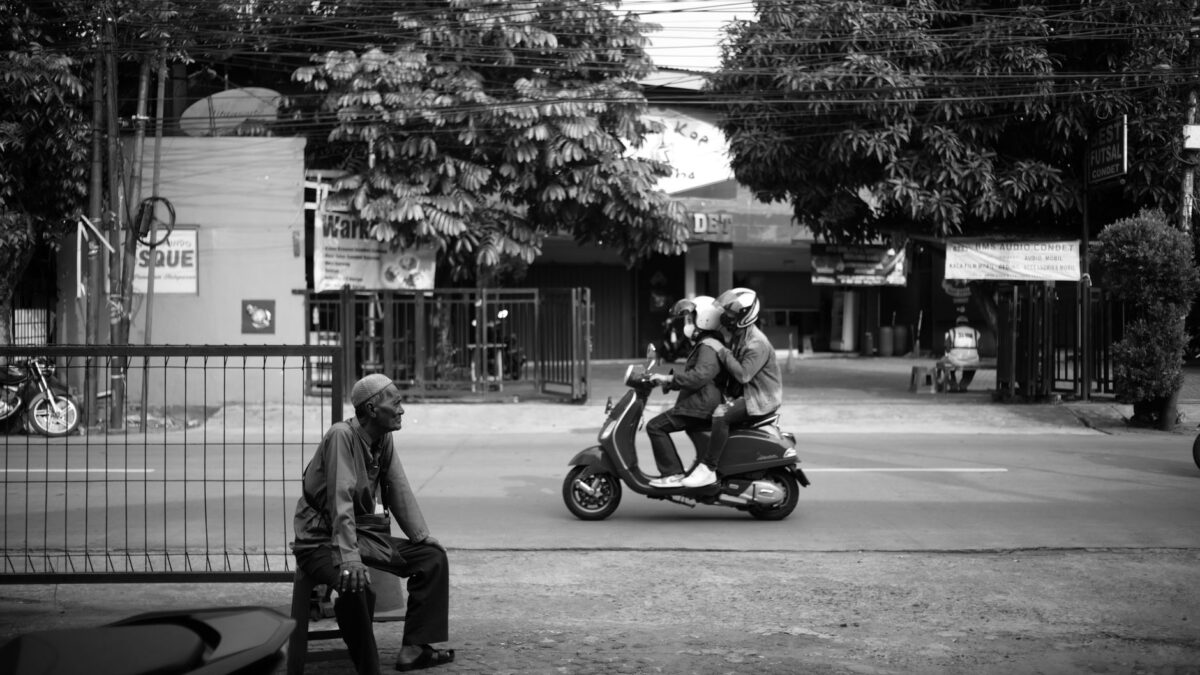
The humidity in Jakarta doesn’t just sit on you; it claims you. Stepping off the plane at Soekarno-Hatta (CGK), the air feels heavy, a thick 37°C embrace that makes your shirt stick to your back before you’ve even reached the baggage claim. This is the hinge into the wet season, where mornings are bright and sticky, but the afternoon sky can abruptly empty into hard downpours. If you are moving here for more than a few weeks, you need to shed the tourist mindset immediately. You aren’t just visiting; you are setting up life in the world’s second-most populous urban agglomeration. The first week is about survival logistics: visas, banking, SIM cards, and finding your footing in a city that moves at the speed of a motorbike weaving through gridlock.
Visas and Arrival Paperwork
Don’t let the immigration queue intimidate you. Most Western and ASEAN-plus passports qualify for an e-VOA (electronic Visa on Arrival). Apply at evisa.imigrasi.go.id before you fly to save time. It costs IDR 500,000 for 30 days, single entry, and is extendable once for another 30 days. Your passport must have six months’ validity and you need proof of onward travel. ASEAN nationals get 30 days visa-free but cannot extend. Overstay fines are steep—around IDR 1,000,000 per day—so respect the clock.
At CGK, look for the biometric autogates if you have an e-VOA; they are faster and smoother. But remember, two separate forms are mandatory and constantly confused by newcomers. First, the ‘All Indonesia’ arrival card at allindonesia.imigrasi.go.id, which you must file within three days of arrival. Second, the e-CD customs declaration at ecd.beacukai.go.id. Do both digitally to avoid paper queues.
If you plan to stay longer, you will likely apply for a KITAS (temporary residence permit) sponsored by an employer or spouse. Once approved, you must register your address with the local kelurahan to get an SKTT (Surat Keterangan Tempat Tinggal). Leaving permanently requires an Exit Permit Only (EPO). And crucially: if you are bringing your own smartphone, register its IMEI at the Bea Cukai customs desk upon arrival. Doing it later is far harder and can render your device useless after 90 days.
Banking and Daily Transactions
Jakarta runs on cashless transactions, but as a newcomer, you need a local account to unlock the ecosystem. Tourists on a VOA generally cannot open accounts. You will need your passport, valid KITAS/ITAS, an Indonesian address, and a local mobile number. Some branches may ask for an NPWP tax number. The major players are BCA, Bank Mandiri, BNI, and BRI—the state-backed ‘Himbara’ trio. CIMB Niaga, Permata, and Bank DKI are also reliable options.
Why bother? Because every bank’s contactless stored-value card doubles as a transit ticket. Mandiri e-money, BCA Flazz, BNI TapCash, and BRI BRIZZI are essential for navigating the city’s integrated transport system. Rent for a modest one-bedroom apartment outside the centre runs around Rp 3,900,000–6,500,000 (≈ $330), so having direct debit capabilities for utilities is wise. Jakarta remains cheap by regional standards—a full local meal costs about the same as four TransJakarta rides—but staple food inflation is pushing warteg prices up. A classic rice-and-chicken set at a Warteg canteen now costs about Rp 15,000–20,000 (≈ $1.1).
Getting a Local SIM Card
Your foreign SIM will work for data, but roaming is expensive and coverage drops in dense urban pockets like Glodok or underpasses. Buy a prepaid SIM from a GraPARI store or official operator counter, not a street kiosk. Telkomsel offers the best nationwide coverage, while Indosat/IM3, XL Axiata, and Smartfren are solid alternatives. Registration requires your passport or Indonesian NIK.
Data bundles (‘paket internet’) are incredibly cheap. Top up via minimarkets or e-wallets like GoPay or OVO. Without a local number, many apps—from ride-hailing to food delivery—will struggle to verify your identity. Get this done on day one. Pair it with a transit pass: the Jak Lingko card integrates MRT, TransJakarta BRT, KRL Commuter Line, and LRT Jakarta. The fare cap is roughly IDR 10,000 (≈ $0.6) per integrated trip within three hours. TransJakarta bus fares are a flat Rp 3,500 (≈ $0.2), unchanged since 2005, though increases are under review.
Navigating the City and Neighborhoods
Jakarta is layered. Historically, it sits atop the VOC port town of Batavia, the Dutch ‘new town’ pushed south from 1809, and the post-1945 republic’s capital. Today, it is a sprawling metropolis of 8.5 million people, adjusting to its demotion as Indonesia’s capital to Nusantara in East Kalimantan. Yet, it remains the economic engine. The SCBD/Sudirman district, with its glass towers and the Golden Triangle skyline, houses Bank Indonesia and the stock exchange. It is where the money lives.
For living, choose your district wisely. Menteng is Jakarta’s oldest, leafiest residential quarter, anchored by Taman Suropati park and walkable to Monas and Istiqlal Mosque. Kota Tua (Old Batavia) offers 17th-century colonial architecture, museums, and Café Batavia. Glodok, the Chinatown, is a sensory overload of temples, herbal medicine shops, and incredible Chinese-Indonesian food. Kemang is the expat enclave, rich in craft coffee and galleries, though plagued by permanent traffic bottlenecks on Jl. Kemang Raya. Senopati/Gunawarman in South Jakarta is the hotspot for independent restaurants and nightlife.
Transport is a mix of public and private. Grab and Gojek are how everyone fills the gaps. The MRT Jakarta line runs north-south from Lebak Bulus to Bundaran HI. Use the Kartu Jelajah Multi-Trip Ticket for MRT rides, costing Rp 4,000–14,000 depending on distance. Be aware of monsoon flooding (‘banjir’) in January and February, which can close roads and strand you for hours. In early November, expect rain showers and light winds, but prepare for the sudden deluges that turn a 45-minute drive into a two-hour ordeal.
Safety and Street Life
Violent crime against foreigners is rare. The real hazards are traffic—motorbikes ignore lights, so always look right first—and bag-snatching in crowded spots like Blok M or Kota Tua after dark. Petty corruption at traffic stops is declining but still happens; carry a copy of your passport or KITAS. Emergency numbers are 112 (general), 110 (police), and 118/119 (ambulance).
Embrace the local culture. Betawi cuisine is the soul of Jakarta. Seek out kerak telor (sticky rice and egg cooked over charcoal), nasi uduk, soto Betawi, and gado-gado at Jalan Sabang food stalls or weekend festivals. Visit the Museum Nasional Indonesia (‘Museum Gajah’) for Hindu-Buddhist statuary, or the Museum Wayang for nearly 4,000 puppets. For art, head to Museum MACAN in Kebon Jeruk. On weekends, escape the heat at Ragunan Zoo or take a fast boat to Kepulauan Seribu for snorkelling. Jakarta is chaotic, humid, and vibrant. Set up your paperwork, get your SIM, load your transit card, and dive in. You’ll find that beneath the gridlock lies a city of immense warmth and history.
Frequently asked questions
How much does a Visa on Arrival cost in Indonesia?
The e-VOA costs IDR 500,000 for 30 days, single entry, and is extendable once. ASEAN passport holders get 30 days visa-free but cannot extend.
Can tourists open a bank account in Indonesia?
Generally no. Tourists on a VOA usually cannot open accounts. You need a valid KITAS/ITAS, passport, local address, and phone number. Long-stayers use BCA, Mandiri, BNI, or BRI.
What is the cheapest way to use public transport in Jakarta?
Use the Jak Lingko integrated system. A single trip with a fare cap costs around IDR 10,000. TransJakarta buses are a flat Rp 3,500.
Do I need to register my phone's IMEI in Indonesia?
Yes, if you use your personal handset for more than 90 days. Register it at the Bea Cukai customs desk at CGK upon arrival to avoid issues later.
Where is the best area for expats to live in Jakarta?
Kemang is the traditional expat enclave with cafes and galleries. Menteng offers leafy streets near embassies. Senopati is popular for dining and nightlife.
Things to do in Indonesia
 PRIVATE Authentic Balinese Cooking Class in Ubud at Putu's Home
 Ubud Highlights: Monkey Forest, Rice Terrace, Tirta Empul Temple
 Anggrek Putih Cooking class & Garden Tour
 Ubud Adventure All Inclusive Private Day Tour
 Likely to sell out
Nusa Penida Two Dives Trip for Certified Divers
 Bali Airport Transfer Service in Private