

Moving to Kenya: visas, banking and SIM cards
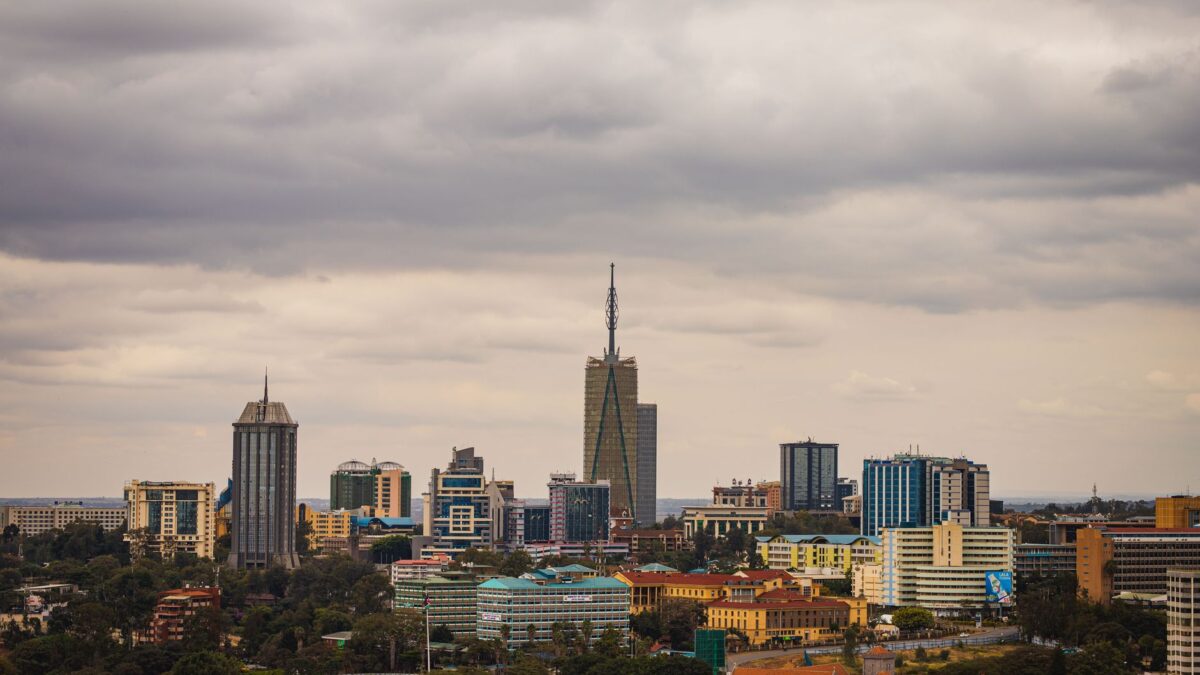
The first time I stood at the Kencom bus stop, a matatu conductor was hanging half out of the sliding door, yelling “Westlands! Westlands! KSh 100!” It was 7:30 a.m., the sky a hazy Nairobi blue, and I realized this city doesn’t ease you in—it throws you into the current. But once you get your SIM, your bank account, and your papers sorted, the current becomes a rhythm. Here’s how to start.
Before You Land: The eTA and Your First 90 Days
Kenya scrapped visa-on-arrival back in January 2024. You now need an Electronic Travel Authorization (eTA), applied for online at etakenya.go.ke—and only that official site. Third-party agents will charge you triple for the same form. The single-entry eTA costs about USD 30 and is valid for 90 days. Apply one to two weeks ahead; there’s no border fallback. If you’re from most African nations or the EAC, you’re exempt, and there’s also the East African Tourist Visa at USD 100 if you’re planning to hop to Uganda or Rwanda.
Once you’re in, and if you plan to stay beyond those 90 days, you’ll need to register with the Kenya Immigration Department and get an Alien Card. Workers need a work permit—usually valid for two years. Don’t put this off; it’s the backbone for everything else, including banking.
The Bank Account: Patience, Paperwork, and Equity
Foreigners can absolutely open a local bank account, but you won’t do it from your phone. You’ll need to visit a branch in person with your passport, your KRA PIN (get this via the Kenya Revenue Authority’s iTax portal), your work or residence permit, proof of address (a lease or utility bill), and a local phone number—which means you need your SIM first. Yes, it’s a chicken-and-egg situation. Get the SIM first, then the bank.
Most newcomers I know start with Equity Bank. Their Eazzy Banking app is solid, and they have the best integration with M-Pesa, Kenya’s mobile-money lifeline. KCB, NCBA, Absa (formerly Barclays), and Standard Chartered are also good options, especially if you want a more international feel. Expect the account activation to take about a week, so don’t plan on paying rent from it immediately. You’ll often need cash for the first few weeks anyway—ATMs are everywhere, but carrying some shillings for matatus and market stalls is essential.
Getting a SIM: Safaricom, M-Pesa, and the OTP Rule
You can’t use a foreign number for your banking app OTPs. You’ll need a local SIM registered to your passport. Safaricom is the default choice—almost every Kenyan has an M-Pesa account, and it’s how you’ll pay for everything from a café latte at Cafe AMKA to your share of a matatu ride. Airtel is the cheaper alternative, but M-Pesa’s ubiquity makes Safaricom the pragmatic pick. You can buy a SIM at the airport or any Safaricom shop downtown. Bring your passport, fill out the form, and within minutes you’ll have a number. Then you’ll want to register for M-Pesa, which you can do in the same shop or via the app with your ID.
A note on costs: a pre-loaded bundle of data plus minutes goes for about KSh 1,000–2,000 a month for most people. You’ll top up at the corner shop or via the app. It’s simple, cheap, and absolutely necessary.
Where to Live: From Karen to Kileleshwa
Your budget will dictate your neighborhood. A modest one-bedroom flat outside the CBD—think Kahawa or South B—runs about KSh 20,000–45,000 per month (roughly $240). That’s cheap by global standards, but Nairobi rent is rising fast, and the stable, leafy suburbs cost more.
- Karen: If you want gardens, quiet, and the giraffes at the Giraffe Centre as your neighbors, Karen is the classic expat choice. It’s leafy, low-density, and feels a world away from the city hum. Rent is higher, but so is the calm.
- Westlands: The commercial and entertainment hub along Waiyaki Way. Think Sarit Centre, Westgate Mall, and the bars on Woodvale Grove. If you want to be where things happen, Westlands is your spot.
- Kilimani: High-rise apartments, co-working spaces, and a digital-nomad café culture. Walk to the Arboretum, grab a flat white at Connect Coffee, and you’ll feel like you’re in a Nairobi version of Brooklyn.
- Lavington and Kileleshwa: Both are family-friendly, with jacaranda-lined streets and a mix of apartments and gated estates. Kileleshwa is particularly popular for its stable rents and proximity to the MP Shah hospital cluster.
- Gigiri and Muthaiga: The diplomatic belt—UN and embassies in Gigiri, and Muthaiga is so posh they call it ‘Beverly Hills of Nairobi.’ If you’re on a diplomatic or corporate package, this is the bubble.
Whatever you choose, remember: safety differs massively by street. Stick to the well-known safe areas, especially at night. Use ride-hailing (Uber, Bolt, or Little) rather than hailing from the street, and be vigilant in the CBD and crowded spots.
Getting Around: Matatus, Trains, and the Cost of Everything
Nairobi’s transport is cash-first. Matatus—those colorful minibuses—are the backbone, and a single fare from CBD to Westlands is about KSh 100 now (it was KSh 60 a year ago, a brutal 67% jump). The Nairobi Commuter Railway runs from the station out to Syokimau and Embakasi—decent if you live south. There’s no tap-and-go card; the old ‘Beba’ smartcard is retired, so keep shillings handy. Ride-hailing is reliable for door-to-door, but surge pricing hits at rush hour—budget for it.
Transport is the fastest-rising cost in Nairobi right now, with overall transport inflation at 15.6% year-on-year. Everything else also feels pricier than it was, and the cost-of-living conversation dominates politics here. But there are still steals: a matatu ride to a music show at the Alchemist, a hike in the Ngong Hills, or an afternoon at Karura Forest won’t break the bank.
Enjoying Your First Weeks: The City’s Rhythm
Mid-August brings cool, crisp mornings (expect 12–27°C, partly cloudy, and light around 06:35), and the city’s cultural calendar is packed. You might catch the annual Nairobi ArtFest at the National Park headquarters, or the Indomie youth festival at KICC—though if you’re not in the mood for crowds, the Elephant Orphanage at David Sheldrick Wildlife Trust is open daily from 11:00 to noon. Book ahead. Then walk over to the Giraffe Centre and feed a Rothschild’s giraffe from the platform. That’s a quintessential Nairobi afternoon.
For longer stays, get your membership at the Nairobi National Museum—it runs through the eCitizen portal, as do many other government services, so you’ll need to set that up anyway. And if you miss the ocean? The SGR train to Mombasa is a beautiful day trip, but that’s a story for another article.
Nairobi is a city of contrasts—you’ll have days of frustration with bureaucracy, then evenings watching the sun set over the National Park with elephants in the foreground. The key is to set up your practical base first. Get that SIM, that bank account, that KRA PIN. The rest will fall into place.
Karibu Nairobi. You’re going to love it.
Frequently asked questions
Do I need a visa to move to Kenya in 2026?
Yes, most foreigners need an eTA (Electronic Travel Authorization) applied for online at etakenya.go.ke, costing about USD 30 for single entry, valid 90 days. EAC and most African citizens are exempt.
Can a foreigner open a bank account in Kenya?
Yes, but you must visit a branch in person with your passport, KRA PIN, work/residence permit, proof of address, and a local phone number. Equity Bank is popular for its M-Pesa integration, and activation takes about a week.
How do I get a Kenyan SIM card?
Buy a Safaricom or Airtel SIM and register it in person with your passport. Safaricom is recommended because M-Pesa mobile money is used everywhere for payments and banking OTPs.
What is the cost of living in Nairobi?
Rent for a modest one-bedroom flat outside the CBD is around KSh 20,000–45,000 per month. Matatu fares are about KSh 100 for a CBD–Westlands run, and a mid-range hotel night costs roughly KSh 8,000–15,000.
What documents do I need to stay longer than 90 days in Kenya?
You must register at the Kenya Immigration Department for an Alien Card and, if working, obtain a work permit (usually 2-year validity). You also need a KRA PIN from the iTax portal for banking and government services.


