

Moving to Latvia: visas, banking and SIM cards
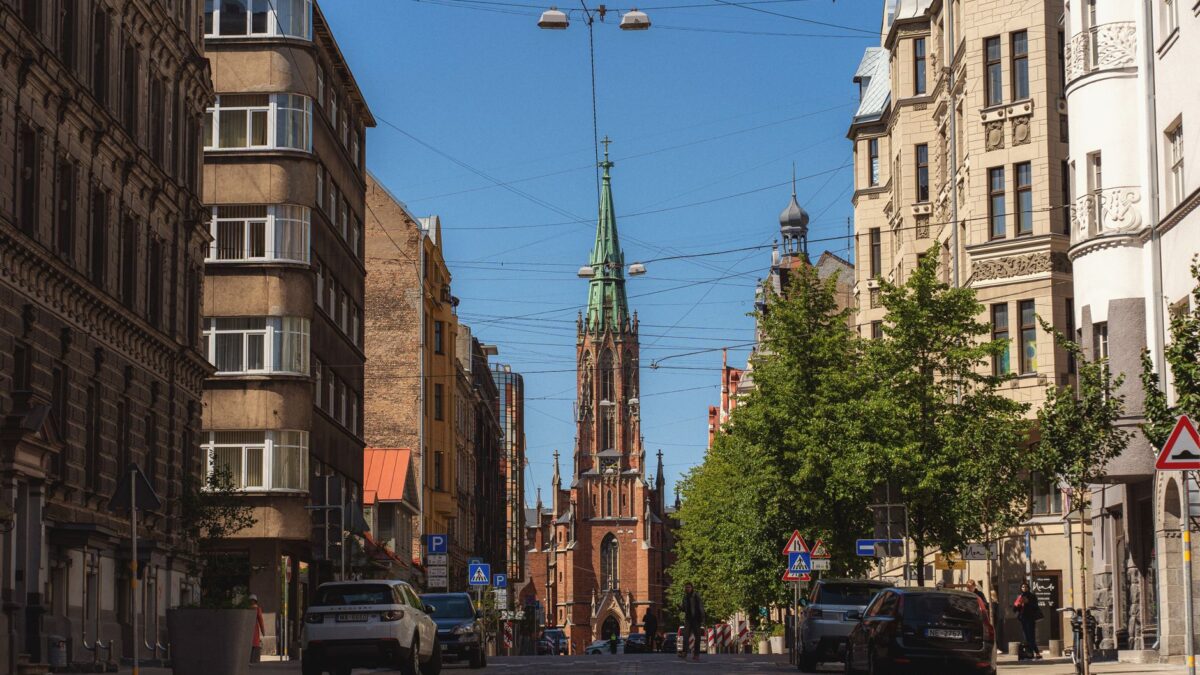
It is mid-September in Riga, and the air has that specific, crisp chill that tells you summer has officially packed its bags. The light is fading faster now, casting long shadows over the cobblestones of Vecrīga, while the city braces for the cultural season to restart. If you are reading this, you are likely standing at the threshold of a new chapter—perhaps drawn by the Art Nouveau elegance of Alberta iela, the bohemian charm of Āgenskalns, or simply the promise of a life less expensive than what you left behind. Moving here is exciting, but the administrative machinery of Latvia can feel like a different kind of maze. Let me walk you through your first week, from landing at RIX Airport to getting your digital life sorted.
The Entry Gate: Schengen Rules and Paperwork
First things first: where do you stand legally? Latvia is part of the Schengen Area, which simplifies short visits but complicates longer stays. If you hold a passport from the US, UK, Japan, or many other non-EU nations, you likely entered visa-free for up to 90 days within any 180-day period. That is fine for a holiday, but if you intend to live here, that clock is ticking.
For longer residencies, you need a national D visa or a residence permit. This is handled by the Office of Citizenship and Migration Affairs (PMLP). Do not wait until your 90 days are up to start this process; apply well in advance. Once you have your permit, you will be issued an 11-digit Latvian personal ID code. This number is your golden ticket—it is required for everything from opening a bank account to enrolling in healthcare or school. Without it, you are essentially invisible to the system.
Address Declaration and the Personal ID Code
Once you have secured housing—whether it is a modest one-bedroom flat in the city centre around €520–650 a month, or something quieter outside the centre for €345–450—you must declare your address. Legally, this dzīvesvietas deklarēšana should happen within one month of arrival.
You can do this online via the latvija.lv portal, which saves you a trip, or visit your local municipality office. You will need your passport, your residence permit card, and proof of accommodation (like a rental contract). Why is this so important? Because once registered, you get that elusive 11-digit personal ID code. It is the key that unlocks the rest of your practical setup. If you are an EU/EEA citizen staying beyond 90 days, you also need to register your right of residence with PMLP, but the address declaration remains the foundational step for daily life.
Banking: Getting Your Financial Life Online
In Latvia, cash is becoming a relic. Card and tap-to-pay acceptance is nearly universal, even in small kiosks. However, to access this convenience, you need a local bank account. Most banks will require two things: your 11-digit personal ID code and proof of declared address. Citadele is a well-known local bank, and their contactless cards can actually double as an electronic transit ticket, saving you a layer of hassle. The large Nordic banks, Swedbank and SEB, also operate widely here and are reliable choices.
Do not underestimate the power of a local account. While you can manage with international transfers initially, paying rent, utilities, and local services becomes seamless once you have a Latvian IBAN. Keep in mind that while Riga remains affordable—with a set lunch at a place like Lido costing roughly €5–9 and a meal at an inexpensive restaurant around €12–15—the cost of living is rising. Housing prices were up nearly 5% year-on-year by mid-2026, so budgeting wisely from day one is essential.
SIM Cards and Connectivity
Connectivity is straightforward. Latvia’s main mobile operators are LMT, Tele2, and Bite. Prepaid SIM cards with data packages are widely available at their branded stores, supermarkets, and kiosks. Since Latvia is in the EU, standard roaming rules apply, meaning your local SIM works across the bloc without extra fees. I recommend grabbing a SIM immediately upon arrival so you can use navigation apps, book taxis, and communicate with landlords or employers without relying on spotty Wi-Fi. Many shops accept payment via mobile wallets, so having your phone active is practically a necessity.
Navigating Riga: Transit and Daily Costs
Riga’s public transport system, run by Rīgas satiksme, is efficient and covers buses, trams, and trolleybuses. For newcomers, the easiest way to pay is using the ‘e-talons’ electronic card. You can buy an anonymous yellow card or personalize it. A single 90-minute transfer ticket costs about €1.50, while a monthly pass is roughly €30. Interestingly, if you have declared your address and received your resident card, you may qualify for the ‘Rīdzinieka karte’ (Riga Resident Card), which offers discounts.
Alternatively, you can use the Mobilly app or simply tap your contactless bank card directly on the validators—a feature that makes banking integration even more vital. If you are arriving from Riga Airport, bus No. 22 takes you directly into the city. Be aware that during events like European Mobility Week or the Old Town Festival, traffic restrictions may divert routes, so always check riga.lv for real-time updates. Safety-wise, Riga is generally safe, but exercise normal caution in the Old Town’s nightlife districts late at night and be mindful of your surroundings in areas like Maskavas forštate, which, despite gentrification, still carries a rougher reputation after dark.
Embracing this move means adjusting to the rhythm of the seasons. As evenings darken, you will find comfort in the warm glow of cafes like Parunāsim or Rocket Bean Roastery, sipping a cappuccino for around €3.30. You might explore the Central Market’s Zeppelin hangars for smoked sprats and rye bread, or take a train to Jūrmala’s beaches when the sun finally breaks through. Latvia is a country of resilience and beauty, waiting for you to settle in. Take your time with the paperwork, enjoy the slow pace of autumn, and welcome home.
Frequently asked questions
How long can I stay in Latvia without a visa?
Visa nationals from countries like the US, UK, and Japan can stay for up to 90 days within any 180-day period under Schengen rules. Longer stays require a national D visa or residence permit applied for via PMLP.
What documents do I need to open a bank account in Latvia?
You typically need your 11-digit Latvian personal ID code and proof of declared address. Major banks include Citadele, Swedbank, and SEB, all of which offer robust digital banking services.
When must I declare my residential address in Latvia?
New residents should declare their address (dzīvesvietas deklarēšana) within one month of arrival. This can be done online at latvija.lv or at the local municipality and is required to obtain your personal ID code.
What is the best way to pay for public transport in Riga?
You can use the e-talons card, the Mobilly app, or contactless bank cards. A single 90-minute ticket is approximately €1.50, and a monthly pass is around €30.
Where are good places to live in Riga for expats?
Popular districts include Centrs for its Art Nouveau architecture and embassies, Āgenskalns for a bohemian vibe near the market, and Vecrīga for historic charm, though it can be noisy.


