

Moving to Lithuania: visas, banking and SIM cards
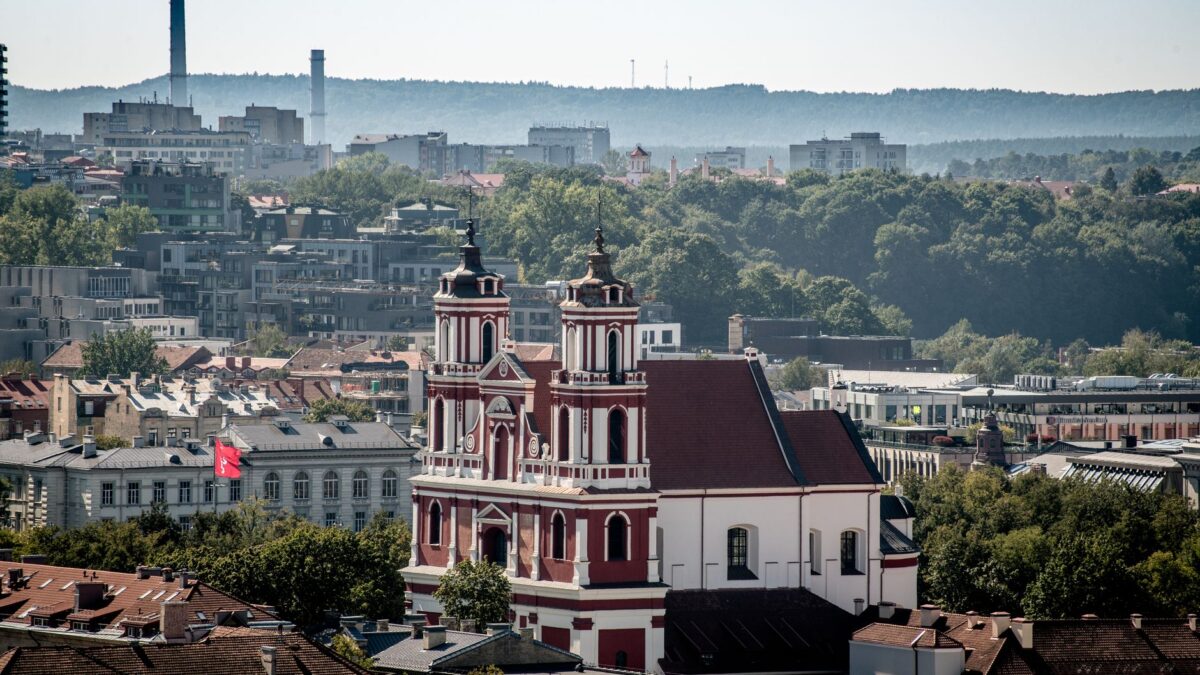
The rain in Vilnius has a specific texture this time of year. It is not the dramatic storm of summer, but a persistent, grey drizzle that seeps into your coat and turns the cobblestones of Senamiestis into slick mirrors. It is November 2026, and the city is deep in its pre-winter hibernation. The light fades by 4:30 pm, casting long shadows over the Baroque facades of Cathedral Square. You have just arrived, or perhaps you are settling in for the long haul. The thrill of discovery is mixing with the practical anxiety of setup: How do I stay legal? How do I pay for things? How do I talk to people?
Living here is wonderful, but it requires a bit of bureaucratic navigation before you can fully relax. Let us walk through the first week together, from the Migration Department to the local café.
Visas, Permits, and the Migration Department
If you hold a passport from the US, UK, Canada, Australia, New Zealand, or Japan, you likely entered under the Schengen agreement, granting you 90 days visa-free within any 180-day period. This is enough for a holiday, but not for a life. If you intend to work, study, or simply reside longer, you must transition to a national visa or residence permit.
Your destination is the Migration Department (migracija.lt). The Vilnius branch handles permits and EU Blue Cards. Do not assume you can simply declare your address upon arrival; the process is sequential. You must apply for your permit first. Interestingly, if you apply without a declared address, the Migration Department will actually declare the address for you as part of the permit process, provided you have proof of housing. However, sorting this out early prevents headaches later.
A heads-up on upcoming changes: ETIAS pre-travel authorisation is being phased in for visa-exempt visitors starting late 2026. Verify your status before booking flights, as these digital entry requirements can shift quickly. For those staying long-term, patience is your primary currency here. Queues at government offices are real, and the system moves at its own deliberate pace.
Registration: The Gyvenamosios Vietos Deklaracija
This is the single most important document you will acquire. Every new resident must file a gyvenamosios vietos deklaracija, or declaration of place of residence. In Vilnius, this is done at your local seniūnija (eldership). There are 21 in the city, so you go to the one covering your district. For example, if you live in Šnipiškės, you deal with the office at Konstitucijos pr. 3.
You must file this within 10 days of moving in. Bring your passport, your residence permit (or application receipt), and your landlord’s signed consent or lease agreement. Once processed, you receive the certificate same-day. Why does this matter? Because this piece of paper is the master key. Without it, you cannot get a personal code (asmens kodas), which is required for almost everything else: opening a bank account, enrolling in school, or seeing a GP doctor.
The city is currently buzzing with cultural activity as people retreat indoors from the damp chill. While you handle paperwork, note that the second Vilnius Biennial of Performance Art opens soon across venues like the National Gallery of Art and Elastica nightclub, and the 14th International M. K. Čiurlionis Music Festival fills City Hall with concerts. These are good places to go once you have your registration sorted.
Banking: Local vs. Digital
Lithuania uses the euro (EUR). While the exchange rate fluctuates around roughly €0.924 per US dollar, your daily reality will be in euros. When it comes to banking, you have two strong paths. First, there are the traditional giants: Swedbank (the largest), SEB Bankas, Luminor, Šiaulių bankas, and Citadele. Opening an account here requires a booked branch appointment, your passport, your Lithuanian personal code, your declared address, and often proof of income or an employment contract. EU citizens generally find this process much quicker than non-EU arrivals.
Second, and increasingly popular among newcomers, is Revolut. Revolut Bank UAB is actually licensed and headquartered right here in Vilnius. Many expats run a Revolut account alongside a local one for stability. It offers instant card issuance and seamless currency conversion, which is handy if you travel frequently within the Schengen zone.
Cards and contactless payments are accepted nearly everywhere, from high-end boutiques on Pilies Street to small cafés. However, cash still has its place, particularly at markets like Halės turgus or Kalvarijos Market, where vendors might prefer coins for small transactions.
SIM Cards and Connectivity
Staying connected is straightforward. Lithuania has three major networks: Telia, Tele2, and Bitė Lietuva. Their prepaid brands are Pildyk (Telia), Ezys (Tele2), and Labas (Bitė). You can buy SIM cards at Narvesen kiosks, Lietuvos spauda stands, supermarkets, or official operator shops. Expect to show your passport or ID at purchase, as identification is mandatory for activation.
Top-ups are easy via online portals or card payments. A significant benefit for travelers is that EU roaming rules apply, meaning a Lithuanian SIM roams across the EU at domestic rates. This makes it an excellent choice if you plan to explore neighboring Poland or Latvia while based in Vilnius.
Daily Logistics: Transport and Safety
Getting around Vilnius is efficient. Public transport is run by JUDU. You can buy a rechargeable Vilniečio kortelė card for about €1.50 at Narvesen or JUDU customer centres, then load e-tickets. A 60-minute ticket costs around €1.25, and a 30-day pass is roughly €38. Note that prices have risen slightly in recent years; what was once cheaper is now standard. Alternatively, you can use contactless bank cards directly on the bus or trolleybus, tapping the orange validator upon boarding. Apps like Trafi or m.Ticket also cover phone tickets, with a unified JUDU app rolling out soon.
For door-to-door travel, Bolt and Uber are the default ride-hailing services. Trains from Vilnius Airport reach the main station in about seven minutes, a convenient link if you land late.
Vilnius is consistently ranked among Europe’s safer capitals. However, the hazards are largely economic. Beware of unlicensed ‘taxi’ touts at the airport who may charge €30 for a ride that should cost €5–12 via Bolt. Stick to apps or official taxi ranks. Be wary of inflated drinks bills in tourist-heavy areas and clip-board ‘charity’ scams around Pilies Street. Use bank-branch ATMs rather than standalone machines in tourist zones to avoid card-skimming. The emergency number is 112.
As evening falls, the city transforms. The Christmas market stalls begin to rise in Cathedral Square, offering mulled wine and roasted chestnuts against the backdrop of the darkening sky. You might grab a plate of cepelinai (potato dumplings) for about €8–10, or a bowl of šaltibarščiai (cold beetroot soup) for €5–6. A cappuccino will set you back around €3.40. These are modest prices for a European capital, though inflation has been felt noticeably in transit and food sectors recently.
Navigate the bureaucracy first, secure your personal code, and then let yourself fall in love with the city. The wooden houses of Žvėrynas, the artistic chaos of Užupis, and the historic weight of the Old Town await you. Welcome to Lithuania.
Frequently asked questions
How long do I have to register my address in Vilnius?
You must file a declaration of place of residence (gyvenamosios vietos deklaracija) within 10 days of moving in at your local seniūnija.
Which banks do foreigners use in Lithuania?
Major options include Swedbank, SEB, and Luminor, but many newcomers also use Revolut Bank UAB, which is headquartered in Vilnius and offers easier digital onboarding.
What is the cost of a monthly public transport pass in Vilnius?
A 30-day JUDU transport pass costs approximately €38, while single 60-minute tickets are around €1.25.
Do I need a visa to visit Lithuania from the US or UK?
US, UK, Canadian, Australian, NZ, and Japanese passport holders enjoy 90 days visa-free travel under Schengen rules, but longer stays require a national visa or residence permit.
Where can I buy a local SIM card in Vilnius?
Prepaid SIMs from Telia, Tele2, and Bitė are available at Narvesen kiosks, supermarkets, and operator shops, provided you present your passport for registration.
Things to do in Lithuania
 Hot air balloon flight Vilnius Trakai with Transfer and Shampagne
 Premium canoe tour at Curonian spit National Park (from Klaipeda)
 BIRDWATCH - Premium guided canoe tour at Cape Vente, Nemunas Delta Regional Park
 Dinner with a local family
 Wild Beach single handed Blokart Safari
 Guided Tour of KGB Museum in Vilnius (Museum of Occupation and Freedom Fights)