

Moving to Madagascar: visas, banking and SIM cards
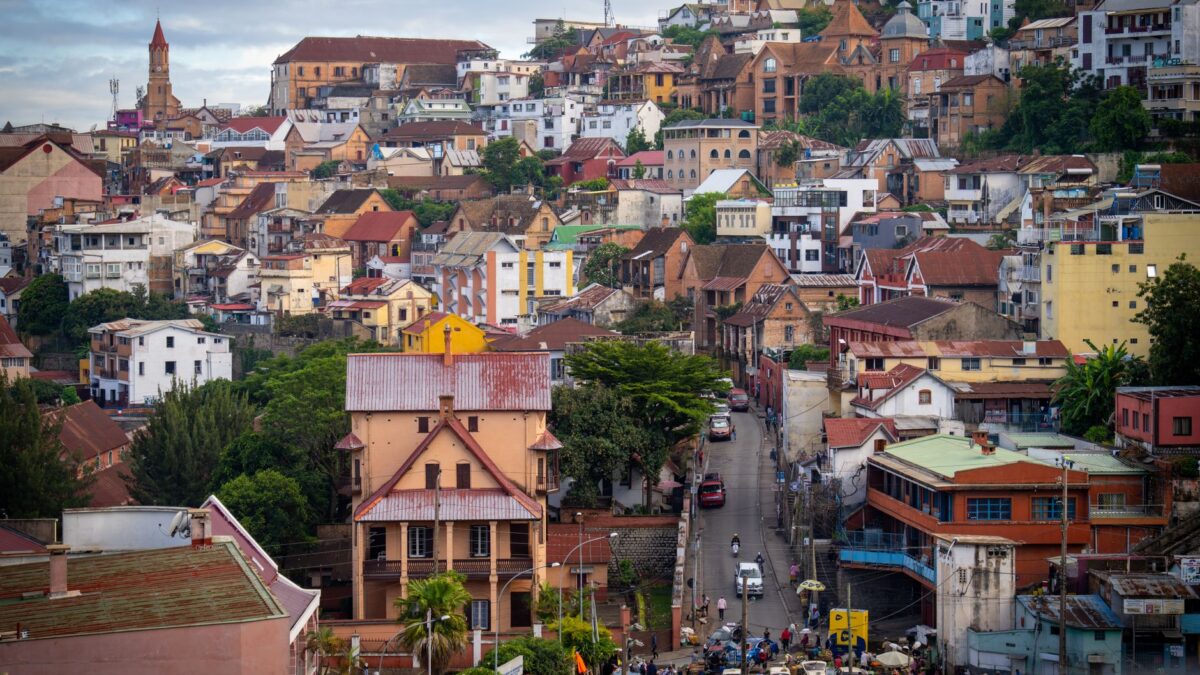
The air in Antananarivo this late October carries that familiar, dusty haze—a mix of exhaust and dry earth—as the jacarandas burst into purple along the avenues. You are standing at the threshold of a life that moves at a different rhythm than Paris or Tokyo. The transition from visitor to resident here is not just about packing boxes; it is about navigating a system where bureaucracy is personal, cash is king, and community is your best safety net. If you are planning a longer stay, the first week is less about sightseeing and more about securing your ground: your legal status, your money, and your connection to the outside world.
Entry and Legal Status: Beyond the Airport
Your journey likely begins at Ivato Airport (TNR). For most nationalities, you will obtain a visa on arrival or have secured an eVisa through the official portal, evisamada.gov.mg. Be prepared for strictness: only crisp USD or EUR notes are accepted at the counter, as card terminals are rarely available. A 30-day stay costs around €35, while a 60-day extension approaches €45. Ensure your passport has six months of validity left and two blank pages, alongside proof of accommodation and a return ticket.
However, if you intend to live here rather than just visit, the “visa on arrival” is merely a starting point. Within days of landing, you must register with your local Fokontany—the neighborhood-level administration—to obtain a certificat de résidence. This small document, costing roughly 1,000–5,000 MGA, is the key that unlocks almost everything else. With it, you can then approach the Direction Générale de l’Immigration to apply for your carte de résident. This process requires photos, a medical certificate, and a police record. Do not delay; foreign residents must have any change of address stamped on their card within three days, and overstaying your initial permit can lead to significant fines.
Navigating the Bureaucratic Landscape
Living in Madagascar means embracing a paper-heavy reality. Once you have your residence certificate, the next step depends on your purpose. If you are employed, your employer must secure a carte de travail from the Ministry of Labour and register you with CNAPS for social security. Investors should look toward the EDBM (Economic Development Board of Madagascar) for guidance on obtaining an NIF tax number.
The pace of government offices can be slow, so patience is a skill you will cultivate quickly. While traffic in the city center is currently being reshuffled due to ongoing works—such as the closures near Soarano station and the new traffic lights at Totombato—these disruptions affect everyone, including civil servants. Plan your administrative errands for early morning when offices are open and the heat is still manageable. Remember, the street past Stade Barea is closed until late October, so navigate via Antanimbarinandriana square if heading to Mahamasina for appointments.
Banking and Daily Finances
Madagascar’s currency, the Malagasy ariary (MGA), is essential for daily life. While inflation hovers around 8.1%, the cost of living for basics remains low, even as rent for a modest one-bedroom flat in Analakely can reach 1,442,500 Ar. Opening a bank account is straightforward but bureaucratic. Major institutions like BNI, BOA (Bank of Africa), BFV–Société Générale, and MCB Madagascar all require your passport, valid visa/residence card, and that crucial certificat de résidence.
Expect minimum deposit requirements and paperwork that may take a few days to process. However, once your account is active, you will find that mobile money is the heartbeat of the economy. Services like Telma’s MVola, Orange Money, and Airtel Money are used for everything from paying market vendors to transferring funds between friends. For a traveler or new resident, keeping a smartphone loaded with these apps is more practical than carrying large amounts of cash. A cup of coffee at Dune Coffee Shop might cost 7,300 Ar, payable instantly via mobile transfer, while a meal at an inexpensive local restaurant (hotely) runs about 12,000 Ar.
Connectivity: SIM Cards and Data
You cannot navigate Tana without a local SIM. Registration against your ID is mandatory, so bring your passport to an operator shop immediately. The three main providers are Telma, Orange Madagascar, and Airtel Madagascar. Telma, as the incumbent, often has the most reliable coverage in the highlands, though Orange and Airtel are competitive in urban centers. Purchase your SIM at the airport upon arrival or at any branded kiosk in districts like Isoraka or Ivandry.
Data bundles are affordable and necessary for using ride-hailing apps, checking news, and managing your MVola or Orange Money accounts. Coverage is good in Tana but becomes patchy outside major towns, so download offline maps if you plan day trips to Andasibe-Mantadia National Park. Keep your phone concealed in public, especially in crowded areas like the Analakely/Zoma market, where petty theft targeting phones is common.
Setting Up Your Home Base
Choosing where to live is critical. The upper city offers charm and convenience, while the lower city provides energy and commerce. Districts like Isoraka, with its colonial grid and embassies, are popular with expats for their safety and proximity to restaurants and boutiques. Ivandry is leafy and upscale, ideal for families seeking international schools. For those who prefer the vibrant pulse of the city, Ambohijatovo offers modern apartments and converted townhouses near the center, though Analakely remains the commercial engine despite its congestion.
Rent is typically paid monthly, and landlords often expect payment in ariary. Given that the average net salary is around 580,000 Ar, many residents share housing or live in the periphery to afford central locations. Whether you settle in a guesthouse like Maison d’Hôtes Mandrosoa initially or sign a lease in Faravohitra, remember that security is paramount. Avoid walking alone after 8 p.m., keep documents in a safe, and be cautious of night travel on rural roads. As you settle in, you will discover that Madagascar rewards those who adapt to its rhythms—sharing a plate of romazava with neighbors, navigating the steep hills by taxi-be, and finding joy in the simple, resilient beauty of island life.
Frequently asked questions
How do I get a residence certificate in Antananarivo?
You must visit your local Fokontany office with your passport and proof of address to obtain a certificat de résidence, which costs approximately 1,000–5,000 MGA.
Which banks accept foreigners for opening accounts?
Major banks include BNI, BOA, BFV-Société Générale, MCB, and AccessBanque. You will need your passport, visa/residence card, and a local address certificate.
Is mobile money widely used in Madagascar?
Yes, services like MVola, Orange Money, and Airtel Money are essential for daily payments, from street food to transfers, as cash handling can be risky.
What is the cost of a short taxi ride in Tana?
A metered taxi starts around 15,000 Ar (approx $3.30), while a shared taxi-be minibus fare is roughly 600 Ar.


