

Moving to Maldives: visas, banking and SIM cards
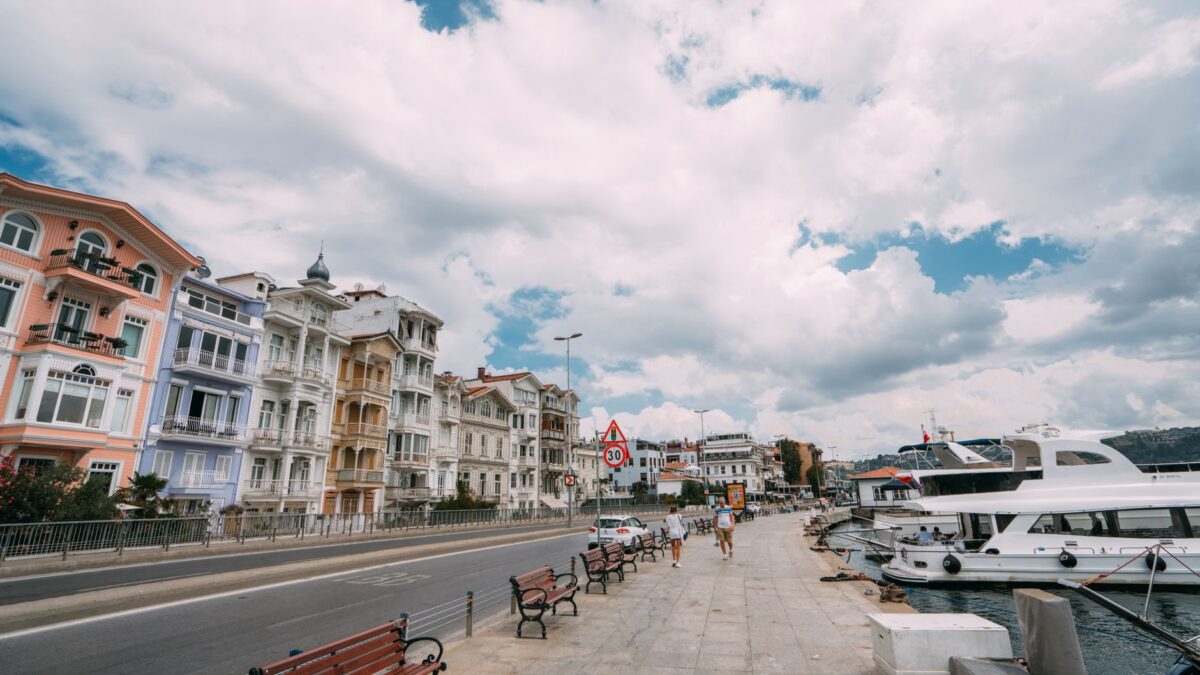
The first thing you notice about Malé, stepping out of Velana International Airport into the thick, salt-touched air, is the noise. Not just the roar of the ferry engines or the chug of taxis, but the layered hum of a city in motion — construction cranes against the slate sky, the rhythmic thud of waves against the seawall, and the call to prayer weaving through it all. It’s late August, the heart of the southwest monsoon, and the overcast sky promises a squall by afternoon. But you’re not here for a postcard. You’re here to live. Let’s get you sorted.
Entry basics: the free 30-day visa and registering for a longer stay
Good news first: every nationality gets a free 30-day tourist visa on arrival at Velana. You need a valid passport, confirmed accommodation (a hotel booking works), a return or onward ticket, and proof of funds — a credit card or a few hundred dollars in cash will do. If you’re Indian, the on-arrival permit reportedly stretches to around 90 days. The immigration officer at the desk won’t ask much; they see this queue hundreds of times a day.
But you said longer stay. That changes everything. For residency, you need an employer-sponsored work permit, arranged by your company through the Ministry of Economic Development. Once that’s approved, Maldives Immigration handles your residence permit — it’s a two-step dance that your employer’s HR usually walks you through, but you’ll need to show up in person at their office in Malé. And note: the paperwork takes time. If you’re starting a job or a business, budget at least a week of running between ministry counters and the immigration building on the waterfront, often with a freshly printed queue ticket and a resigned smile.
One local tip: keep your passport and visa pages photocopied and saved on your phone. You’ll need them for SIM registration, bank onboarding, and even for buying a ferry pass at certain kiosks. The system is paper-light but expects you to carry your identity everywhere.
Banking: opening an account in Malé
Walk into the Bank of Maldives (BML) Account Opening Centre in the city centre — the main branch is a landmark of its own on Boduthakurufaanu Magu, right by the waterfront — and you’ll join a queue that moves faster than you’d think. BML is the dominant bank, with around 40 branches across the atolls, and it offers an Expatriate Account that’s designed for people like you. The minimum deposit is about MVR 200 (roughly US$50), the monthly fee is MVR 75 (around US$5), and you can open it once your work permit has at least one month of validity left. That’s the catch: no permit, no account. So get your visa sorted first.
Bring your passport, your work permit, a reference from your employer, and a proof of address — your rental contract works. The centre is open Sunday through Thursday, 8:30am to 2pm, and you’ll need to take a QueueBee token from the machine at the entrance (yes, it’s a mobile queue system; ask the security guard if you’re puzzled). If you prefer Islamic banking, BML Islamic’s Wadi’ah Expat Account is a common choice, and Maldives Islamic Bank (MIB) or Habib Bank are also used. But honestly, BML is the easiest for foreigners — their app is in English, and their customer service at the main branch deals with expats daily.
While you’re at it, you’ll notice Commercial Bank of Maldives and Bank of Ceylon on the same street. They’re fine, but BML has the widest ATM network, which matters on the outer islands. In Malé you’ll never be far from a cash machine, but they have a habit of running out of rufiyaa on weekends — withdraw ahead of Friday, the day everything sleeps.
Getting a local SIM: Dhiraagu or Ooredoo
You’ll want a local number within an hour of landing — not just for calls, but for taxi hails (many drivers refuse to pick up without a WhatsApp ping), for queue apps, and for the ferry schedules. Two operators run the show: Dhiraagu, the widest coverage, and Ooredoo, which is cheaper. Both have kiosks just outside the arrivals hall at Velana Airport, open until the last flight. Bring your passport. Yep, it’s that simple — no visa needed for a SIM.
Tourist plans are roughly US$40 for 20GB valid 10–14 days, or US$50 for 50GB for a month. Ooredoo has a similar 17GB/14-day plan for around US$35. If you’re staying longer, you can switch to a prepaid local plan once you have your residence permit — but the tourist SIMs are valid for 30 days, so they’ll see you through your first month. eSIMs from Airalo or Holafly also roam on Dhiraagu, which is handy if you land with an unlocked phone and want to skip the queue. But the physical SIM is cheap and quick — and the kiosk staff will set it up for you.
Coverage in Malé is excellent, and you’ll get a strong signal even in the narrow streets of Henveiru. Out on the islands, Dhiraagu wins. If you’re planning weekend trips to North Malé Atoll, go with Dhiraagu for the reliability.
Where to register and what else matters that first week
Beyond the bank and the SIM, registration is light. You don’t need to check in with the police — the on-arrival visa covers you. But if you’re renting a flat, your landlord will take your passport copy for the city council’s records, and some buildings require a utility bill in your name. You don’t need an address proof for the SIM, but for the bank account you do — so hold onto that rental contract.
Navigating Malé is an adventure in itself. There’s no metro, no named transit card — the city runs on unmetered flat-fare taxis (about MVR 15–30, depending on the time) and ferries. The airport public ferry leaves every 15 minutes by day, every 30 at night, and takes roughly 10 minutes — it costs about MVR 10, or around US$1. For Villingili and Hulhumalé, MTCC ferries run frequently from the central jetty. The Sinamalé Bridge (the China–Maldives Friendship Bridge) connects Malé to Hulhumalé — a 10-minute taxi or bus ride across a sea of turquoise, completed just a few years back.
Watch out for the roadworks: Boduthakurufaanu Magu is being redeveloped, with sections of the northern waterfront closed for sheet piling and asphalt. And the ongoing Thilamalé bridge construction — the final segment connecting Malé to Villingili was installed just last week — means detours around the Villingili ferry terminal. Google Maps works, but locals will always know the quicker back alleys through Maafannu or Machchangolhi.
Cost of living and what you’ll actually spend that first week
Malé has a reputation as the most expensive city in South Asia, and it’s true that rents bite. A modest one-bedroom in the city centre sets you back around MVR 11,000 to 15,800 a month (roughly US$870). If you want a balcony, you’ll pay more. Lunch is cheap — a curry and rice at a local cafe is MVR 60 to 120 (about US$6), and you’ll get to know the mas huni breakfast (smoked-tuna and coconut with roshi) for MVR 25 to 60. A garudhiya, the national tuna broth with rice, is around MVR 30 to 60. Coffee at Meraki or Bianco will run you MVR 20 to 35. A taxi across town is MVR 30. These are approximate, but they give a feel.
One thing to accept early: the country is dry outside resorts and liveaboards. No cold beer after work in town. If that’s a dealbreaker, you’ll be taking regular speedboat trips to a resort. Food prices have been creeping up on a US-dollar shortage, so don’t be surprised if your weekly market bill is higher than in your home country. The Malé Fish Market and Local Market remain the liveliest spots — the daily tuna auction is a spectacle, and if you’re lucky you’ll spot manta rays feeding at the pier, a free show right in the capital.
Safety and street smarts in the capital
Malé is generally safe — you can walk alone at night, and the biggest hazards are the uneven pavements near the construction sites. Keep your valuables close at the crowded markets, and dress modestly when exploring the mosques — carry a scarf for head covering if you’re entering Hukuru Miskiy (the 1656 coral-stone Old Friday Mosque) or the grand King Salman Mosque. The Tsunami Monument in Maafannu is a poignant stop, and the National Museum in Sultan Park holds a whale-shark skeleton among its relics. For swimming, head to Rasfannu Artificial Beach — the night-lit promenade is a social hub after dark.
Between the roadworks and the monsoon squalls, your first week in Malé will be a crash course in patience. But once you’ve got your SIM activated, your bank card in hand, and your landlord’s number saved under “rent,” you’ll have cracked the essentials. The rest is just learning to walk with the rhythm of the island — and, eventually, finding your favourite garudhiya spot in Mahchangolhi.
Frequently asked questions
Do I need a visa to move to the Maldives for a longer stay?
All nationalities get a free 30-day tourist visa on arrival. For longer stays, you need an employer-sponsored work permit from the Ministry of Economic Development and residence formalities with Maldives Immigration. Indian citizens reportedly get a longer on-arrival permit of up to ~90 days.
How do I open a bank account in the Maldives as an expat?
The easiest is Bank of Maldives (BML) Expatriate Account, requiring a work permit with at least 1 month validity, passport, and proof of address. Minimum deposit is around MVR 200 (US$50), and the monthly fee is MVR 75 (US$5). Open at the BML Account Opening Centre in Malé, Sunday–Thursday, 8:30am–2pm, with a QueueBee token.
Which SIM card should I get in the Maldives?
Two operators: Dhiraagu (widest coverage) and Ooredoo (cheaper). Both have kiosks at Velana Airport arrivals, requiring your passport. Tourist plans are around US$40 for 20GB/10–14 days, or US$50 for 50GB/30 days. eSIMs from Airalo/Holafly also roam on Dhiraagu.
Is alcohol available in Malé?
No, Malé is a dry city. Alcohol is only legally served at resorts and licensed liveaboards. Locals and expats often take a day trip to a resort for a beer, which can cost around MVR 200–400 (US$19) for a local beer.
What is the cost of living in Malé for a first week?
Malé is the most expensive city in South Asia. Rent for a modest one-bedroom is MVR 11,000–15,800 (≈$870) monthly. Local meals cost MVR 60–120 (≈$6), a taxi ride MVR 30 (≈$1.9), and a coffee MVR 20–35 (≈$1.8). Be prepared for higher food prices due to recent dollar shortages.
Things to do in Maldives
 Private Vacation Photography Session in Male Maldives
 Greater Male Explorer - Private City Tour by Car or by Walking
 Special offer
Male' City Walking Tour Explore All the Top Highlights
 Maldives Dreams A Photoshoot of Love & Laughter with Island Todo
 Underwater and Drone photoshoot in Maldives
 Male' City Tour - Language options (English/Spanish/French/Italian)