

Moving to Morocco: visas, banking and SIM cards
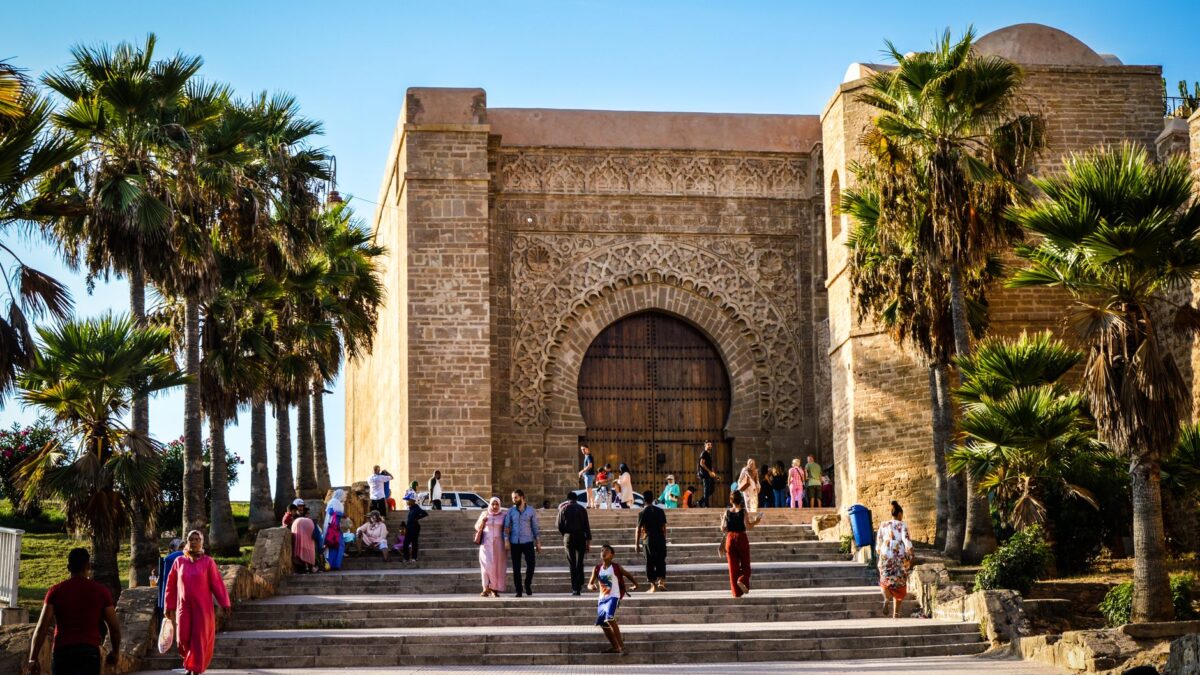
It is mid-November in Rabat, and the Atlantic air has turned. The heat of summer has surrendered to a cool, damp autumn chill that settles deep into the limestone. Rain squalls roll off the Bou Regreg, turning the white streets of the Medina a darker shade of grey, while the scent of roasting chestnuts and new-season olives drifts from the souks. If you are planning to move here, this is the season to do it. The city is calm, the crowds have thinned, and the rhythm of daily life is settling into its winter pace.
But before you can settle into a café in Agdal or watch the sunset over the Chellah, you need to handle the paperwork. Moving to Morocco is less about bureaucracy and more about knowing which door to knock on. Here is your practical guide to surviving—and thriving—in those first few weeks.
The First Week: Visa, SIM, and Banking
For most Western travelers—US, UK, EU, Canadian, Australian, and Chinese passports—the entry process is seamless. You get a visa-free stamp for up to 90 days upon arrival at Rabat-Salé Airport (RBA). However, this stamp is not a residence right. It is a tourist permit. If you intend to stay longer, you must register with the authorities immediately.
Your very first stop should be the local post office to buy a scratch-card ‘recharge’ code for your phone. You will need a Moroccan number for almost everything: bank SMS confirmations, delivery apps, and even booking taxis. There are three main operators: Maroc Telecom (IAM) offers the best rural coverage, while Orange Maroc and Inwi provide excellent service within the city. You can buy a prepaid SIM at the airport or any operator shop, but you must present your passport. These lines are strictly registered to an ID, so bring your documents handy.
Next, open a bank account. While you can survive on cash for a few days, you will quickly realize that cards work best in modern districts like Agdal and Hay Riad, whereas the Medina and souks remain cash-heavy. The institutions people actually use include Attijariwafa Bank, Banque Populaire, Bank of Africa (BMCE), CIH Bank, and BMCI. Branches cluster heavily in Agdal, Hassan, and Hay Riad.
Expect to present your passport plus a legalized lease or proof of address, and a minimum opening deposit. Non-residents are often steered toward a compte en dirhams convertibles (convertible-dirham account). Crucially, ask for an attestation bancaire (bank statement/letter) immediately. This document is required for your residence file later, so getting it early saves you a second trip. Carry dirhams for the petits taxis; they are metered and cheap, but drivers rarely have change for large notes.
Legalizing Your Stay: The Carte de Séjour
This is the part that stresses people out, but it is straightforward if you prepare correctly. Anyone staying over 90 days must file for the carte d’immatriculation, or residence card, at the Bureau des Étrangers of the police prefecture (DGSN) covering their address. Rabat has a dedicated foreigners’ service, but there is no online filing option. You must go in person.
File inside your 90-day window. Once you submit your application, you receive a récépissé. This receipt is your legal proof of stay while waiting for the card, renewable every three months. The actual card typically takes four to six weeks to print. The fee is around 100 MAD per year of validity.
You will need a specific dossier. Gather these items before you go:
- Passport copies, including your entry stamp.
- Police-format photos (ask the lab for “Moroccan residence card size”).
- A legalized lease or an attestation d’hébergement (hosting certificate) legalized at the muqata’a (local municipality).
- A Moroccan medical certificate.
- A criminal-record extract from your home country, legalized and translated into Arabic or French by a sworn translator.
- The bank attestation of means mentioned above.
If you marry a Moroccan national, the path is slightly different, requiring two years of continuous marriage rather than four years of regular residence for the ten-year card.
Where to Live: Districts and Costs
Rabat is a city of distinct neighborhoods, each with a different flavor. For a long-term stay, location dictates your budget and lifestyle.
Agdal is the capital’s heartbeat for expats and young professionals. It is a modern grid of café-lined avenues and apartment blocks. It houses the capital’s best everyday eating and the morning covered market. Rent here is competitive; a modest one-bedroom flat in the city center costs around 5,000 MAD per month (approximately $500). It is walkable, vibrant, and close to the Rabat-Agdal tram station.
Hassan / Ville Nouvelle is the colonial downtown. Think French-Protectorate architecture, ministries, embassies, and the Hassan Tower precinct. It is historic and central, with the Rabat-Ville train station sitting opposite the Mohammed V–Gare de Rabat tram stop. It feels more institutional but is incredibly convenient.
Hay Riad is an affluent modern quarter that took off in the 2000s. With ministries, agencies, and corporate offices alongside villas, it offers some of the best rental yields in the capital. It is quieter, leafier, and slightly more expensive than Agdal, but very safe and family-oriented.
Souissi is the quietest and most expensive address in the city. This is the embassy-and-villa district, home to the Royal Golf Dar Es Salam and the Ritz-Carlton. If you want luxury and space, look here, but expect prices to pull significantly higher than the average.
The Medina & Kasbah des Oudayas offer a UNESCO-listed old town experience. The rug souk on Rue des Consuls and the blue-and-white Almohad lanes are beautiful, but it is more of a tourist hub than a residential one. It is calm and livable, not Marrakech-level hustle, but finding a long-term lease here requires patience.
Salé, across the river, is Rabat’s workaday twin. It has a conservative, barely touristed medina with the Great Mosque and the Marinid Medersa Abu al-Hassan. It is reached easily by tram or boat and is cheaper, but less integrated into the capital’s daily flow.
Daily Life: Transit, Food, and Safety
Moving to Rabat is affordable by European standards. Groceries are cheap. A cup of coffee (cappuccino) runs about 19 MAD ($1.9), a loaf of fresh white bread is roughly 6 MAD ($0.6), and a liter of milk is 8.5 MAD ($0.9). Street food is a highlight: a plate of fried fish or calamari rings at a medina counter costs 30–60 MAD ($5–$6), while a grilled fish lunch at the Oudaias river-mouth grills is 60–140 MAD ($10–$14).
For dining out, a meal at an inexpensive local restaurant is around 42 MAD ($4), and a three-course meal for two at a mid-range restaurant is roughly 400 MAD ($40). Even a local beer in a shop is only about 25.5 MAD ($2.6).
Transportation is efficient. The Tramway Rabat-Salé, opened in 2011, is Morocco’s first. It runs two lines over 27 km, linking Salé to Hassan, the Medina, and Agdal. Single tickets cost about 7 MAD ($0.7) and are valid for one hour with one transfer. Buy them at station kiosks or via the Tram Mobile app—nothing is sold on board. Regulars load the electronic Irtiah card: 270 MAD/month for the general public, 160 MAD for students under 26. Note that there is no tram to the airport; use the ALSA shuttle bus (25 MAD, 45–50 minutes) from Rabat-Agdal station.
Safety in Rabat is generally high. It is one of the region’s calmer capitals. The Medina and Kasbah are residential and walkable at night. However, petty theft and pickpocketing exist in the crush around Bab El Had and Avenue Mohammed V. Avoid unofficial ‘guides’ at the Chellah and Kasbah gates who may demand tips. Use petit taxis and insist on the meter; avoid unmarked grand taxis. Also, steer clear of empty stretches in outlying southern districts like Yacoub El Mansour after dark.
As November progresses, keep an eye on the cultural calendar. The Rabat International Author Film Festival screens in the capital, making cinema venues around Hassan busy in the evenings. Later in the month, Independence Day (Eid Al Istiqulal) arrives on November 18th, bringing parades and closures. Just beyond the holiday, the Music festival takes over Rabat for four days, showcasing artists at the Théâtre National Mohammed V and an electro stage at the Chellah.
Rabat is not a place to rush. It is a city of stone and sea, where the storks nest on the minarets of the Chellah and the rain falls gently on the kasbah walls. Take your time with the paperwork, find your neighborhood, and let the city reveal itself to you. The first week is about logistics; the rest is about living.
Frequently asked questions
Do I need a visa to move to Morocco?
Most Western nationals enter visa-free for 90 days, but this is a tourist stamp. To stay longer, you must apply for a residence card (carte de séjour) at the local police prefecture within that 90-day window.
How much does rent cost in Rabat?
A modest one-bedroom flat in the city center (Agdal or Hassan) costs around 5,000 MAD (approx. $500) per month. Luxury districts like Souissi are significantly more expensive.
What documents do I need for my residence card?
You need passport copies, police photos, a legalized lease, a Moroccan medical certificate, a translated criminal record from your home country, and a bank attestation of means.
Is it easy to open a bank account as a foreigner?
Yes, major banks like Attijariwafa and BMCI are used to expats. Bring your passport, proof of address, and a deposit. Ask for an attestation bancaire early, as it is required for your residence file.
How do I pay for transport in Rabat?
The tram system uses the Irtiah card (270 MAD/month). Single tickets are 7 MAD. Taxis are cheap (~7 MAD base fare); always insist on the meter for petit taxis.


