
Moving to Nepal: visas, banking and SIM cards
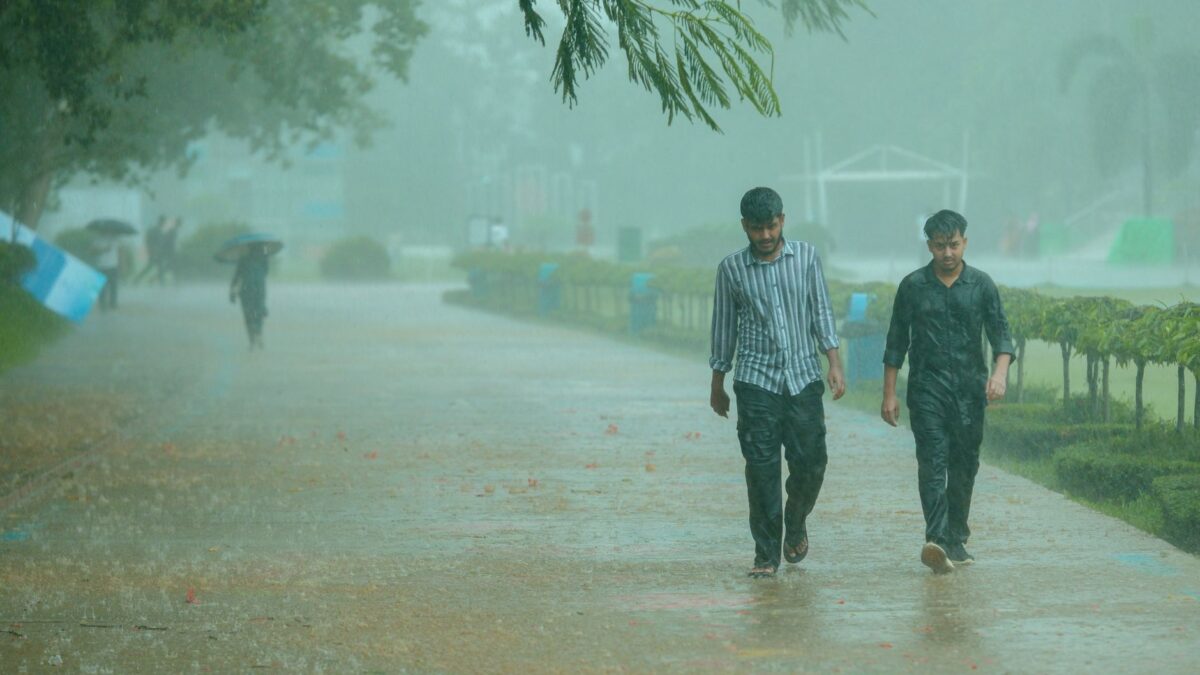
The monsoon is in full swing over Kathmandu. It’s mid-August, and the air is thick enough to drink, heavy with humidity and the smell of wet earth. Thunder rumbles over the Valley, and a sudden downpour can turn Thamel’s alleys into rivers, sending you dodging under a tin awning next to a vendor roasting corn over charcoal. That’s your first week here: a baptism by rain, with the faithful walking barefoot to Pashupatinath for Monday fasts, the roasted-bhutta smoke curling up from street corners, and the city leaping with green.
But you’re not here for the weather. You’re here to stay a while — maybe a few months, maybe a year. And while the chaos is charming, the logistics matter. Let’s get you set up: visa, bank account, SIM card, and the official registration that’s now part of life for foreign residents.
Entry and residence: your first 90 days
If you’re flying into Tribhuvan International Airport (TIA), you’ll likely be getting a visa on arrival. For most nationalities, that’s USD 30 for 15 days, USD 50 for 30 days, or USD 125 for 90 days — pay in cash (USD or other convertible currency) and have a passport with at least six months’ validity plus two passport photos. To skip the line, pre-fill the form at nepaliport.immigration.gov.np. It’s a small thing that saves you an hour after a long flight.
SAARC citizens (except Afghanistan) get 30 days free; Indians need no visa. A few nationalities — Nigeria, Ghana, Zimbabwe, Iraq, Ethiopia — must arrange a visa in advance from a Nepali embassy, so check before you book.
Once you’re in, you can extend a tourist visa to a maximum of 150 days per visa-year at the Department of Immigration office in Kalikasthan, Kathmandu. For longer stays, you’ll eventually need a residential visa, which brings you to the new registration rule.
Registration: the new FNMIS system
Since January 2026, Nepal has required foreign nationals to register in the Foreign Nationals Management Information System (FNMIS). You do this via the Department of Immigration’s mobile app or the same nepaliport.immigration.gov.np portal. Once registered, you get a six-digit token and a QR code that serves as your digital ID — you’ll need it for hotel check-ins, domestic flights, and even currency exchange. The system went nationwide on March 1, 2026, so if you’re arriving now, it’s not optional.
It’s straightforward. Download the app, enter your details, get your QR. After that, if you’re on a residential visa, you’ll need to get a PAN (tax number) from the Inland Revenue Department (IRD) and register with your local ward or municipality. That registration is a bit more bureaucratic, but it’s a formality — no one will make you wait in a line longer than you did at TIA.
Opening a bank account
You don’t need to be a resident to open a savings account in Nepal. A passport and valid visa are enough. The city’s full of banks — Nabil, Global IME, NIC Asia, Nepal Investment Mega, Standard Chartered — and the process has gone digital in a big way.
Global IME lets you open an account fully online via video KYC at easyaccount.gibl.com.np; you’ll need your passport, photos, and a signature sample. Nabil’s nBank app does digital opening too, plus remittance services. In my experience, it’s fastest to walk into a branch with your passport and visa, and you’ll walk out with an account number the same day — or at least the promise of one by tomorrow. Bring a copy of your FNMIS token; it’s now often requested for verification.
Once you have an account, you’ll get a debit card and access to mobile banking. Withdrawing cash is easy — just remember that foreign transactions on some cards can be pricey, so it’s worth transferring money via a service like Wise or a local remittance partner. And keep your cash in NPR; you’ll be surprised how little it costs to live. A modest one-bedroom flat in the centre runs about NPR 24,000–32,000 a month (roughly $210), and a meal of dal bhat at a local eatery sets you back NPR 150–300 — about $1.70. Your biggest splurge might be a cappuccino at Rise & Grind Coffee on JP Road, at NPR 250–400.
Getting a SIM card: Ncell or Nepal Telecom
You have two choices: Ncell and Nepal Telecom (NTC). Both have booths at TIA arrivals, but you’ll need your passport — the SIM is registered under your national ID, and that’s non-negotiable.
Tourists usually pick up a 15- or 30-day data pack. For longer stays, the prepaid options are plenty; you can keep topping up at any corner shop. Coverage in the Valley is solid — you’ll stream in Jhamsikhel’s cafes without a hiccup — but out in the high mountains it thins. I’d suggest Ncell if you plan to travel to trekking regions, as it has wider coverage; NTC is the state-owned incumbent and sometimes cheaper for calls.
Don’t forget to activate your SIM with data. Local prices are low — a gigabyte costs a fraction of what you’d pay back home. But be savvy: always set your phone to the local network, not roaming, or you’ll get a nasty bill.
Getting around and making the city yours
Kathmandu has no city-wide transit card to speak of; buses run by cooperatives like Sajha Yatayat (with its electric line) get you around cheaply — a microbus fare is NPR 25–40, about 20 cents. For door-to-door, skip the metered taxis (they rarely use them; agree on a fare first). Instead, use the rideshare apps Pathao and inDrive; they’re local, reliable, and you pay by the app. At the airport, use the pre-paid taxi booth — it’s the only way to avoid the touts that swarm arrivals.
Once you’re sorted, make yourself a local. Head to Boudha to walk the kora around the great stupa at dawn, when the prayer wheels spin and the monks chant. On a clear day, climb to Nagarkot to see the Himalaya from Dhaulagiri to Kanchenjunga — Everest included. On a lazy Sunday, get lost in Patan’s courtyards, where the metalworkers of the Newari tradition still cast bronze in open-air workshops, and end with a samay-baji platter at a Newari khaja set for NPR 300–600.
And yes, the monsoon will make you itch for sun, but sip a local Gorkha beer (NPR 600–750) at Busy Bee cafe or 4Stories while the rain drums on the roof. It’s all part of the rhythm.
One last note: the valley’s air quality turns bad in winter, when the inversion traps smog and AQI routinely tops 200. Buy a mask now, thank me later.
Frequently asked questions
What documents do I need for a bank account in Nepal as a foreigner?
You need a valid passport with a visa, plus a copy of your FNMIS registration token. Some banks, like Global IME, allow online opening with video KYC, but you’ll still need to provide photos and a signature.
Can I extend a tourist visa beyond the initial 90 days?
Yes, you can extend a tourist visa to a maximum of 150 days per visa-year at the Department of Immigration office in Kalikasthan. You’ll need to show a passport with valid visa and pay the extension fee in cash.
How do I register with the FNMIS system?
Use the Department of Immigration mobile app or the nepaliport.immigration.gov.np portal. After filling in your details, you’ll receive a 6-digit token and a QR code. This digital ID is needed for hotels, domestic flights, and currency exchange.
Which SIM card is better for foreigners: Ncell or Nepal Telecom?
Both work well in Kathmandu. Ncell has better coverage in trekking areas; Nepal Telecom is cheaper for calls. You’ll need your passport to buy either at TIA arrivals or downtown shops. Choose a 15- or 30-day data pack to start.
What is the cost of living in Kathmandu for a solo person?
A modest one-bedroom flat in the centre costs about NPR 24,000–32,000 ($210) per month. Local meals are as cheap as NPR 150–300, but a cappuccino at a cafe will set you back NPR 250–400. Expect to spend around NPR 50,000–70,000 monthly for a basic lifestyle.


