

Moving to Oman: visas, banking and SIM cards
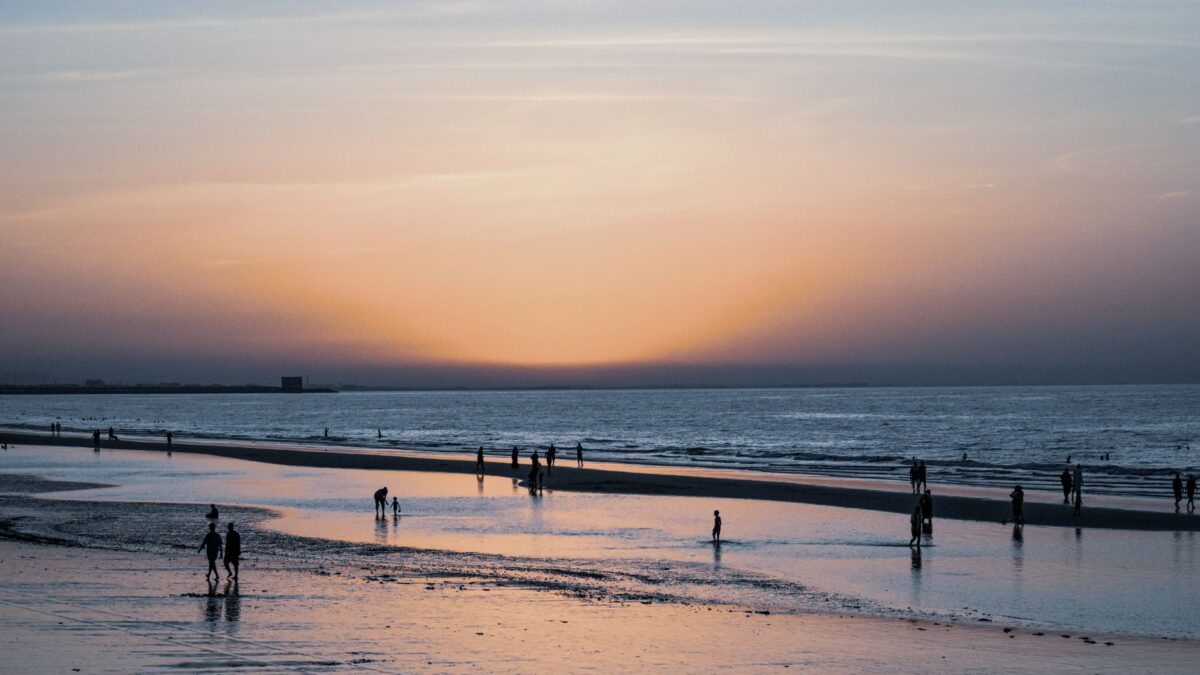
The heat in Muscat right now is a physical weight. It is late September, and the air hangs heavy at around 28–35°C, but with humidity pushing the feels-like temperature up to 42°C. You have just landed, or perhaps you are preparing to pack for a longer stay. The city is still holding onto the sticky grip of summer, though the khareef crowds from Dhofar have long since departed. As evening falls, the light shifts, and the city begins its slow transition toward the cooler social season that officially kicks off in October. Moving here is not about escaping life; it is about stepping into a rhythm that is deliberate, calm, and deeply rooted. But before you can enjoy the evenings at Muttrah Corniche or navigate the souqs, you need to sort out the mechanics of your new life. Let’s walk through the practical first-week setup together.
Visas and Residence: The Paper Trail
Oman is generous with its hospitality, but bureaucracy requires patience. If you are arriving on a tourist visa, note that these are typically valid for 30 days and can be extended once for another 30 days. However, if you intend to live here—whether for work, study, or family reunification—you must transition to a residence permit (ID card) quickly. This is not optional. Living on a tourist visa for an extended period without regularization is risky and can complicate future travel within the GCC.
Your sponsor, usually your employer or a family member, will initiate this process. Once approved, you will undergo biometric registration and medical screening. The entire process can take anywhere from two weeks to a month depending on government processing times. Do not rush this with informal agents; stick to official channels or your sponsor’s HR department. While you wait, keep your passport safe. If you lose it while on a tourist visa, exiting the country becomes significantly more complicated. Remember, as we move into October, events like ‘Urban October’ at the Oman Convention & Exhibition Centre (OCEC) will bring heavy traffic and increased police presence in central areas, so ensure your documents are always accessible when traveling across town.
Banking: Opening Your First Account
You cannot do much in Oman without a local bank account. While cash is widely accepted, digital payments are growing, and rent, utilities, and many services require direct debit or transfer. The good news is that opening an account is straightforward if you have your residence permit and passport ready. The major players include Bank Muscat Head Office, National Bank of Oman (NBO) Head Office, Bank Sohar, and City Centre Muscat branches.
If you are visiting the city center, the area around City Centre Muscat is convenient, with several banks clustered nearby. You will need proof of address—a tenancy contract registered with the Notary Public is the gold standard here. Some banks may accept a utility bill, but the tenancy contract is safer. Be prepared for the initial deposit requirement, which varies by bank and account type, often ranging from 1,000 to 5,000 OMR for premium accounts, though basic accounts may require less.
A word of caution: banking hours are typically Sunday to Thursday, 8:00 AM to 2:00 PM, with some branches open until 3:00 PM or 4:00 PM. Friday afternoons are generally quiet. Also, remember that alcohol is scarce and expensive in Oman, and many banks have specific policies regarding transactions related to entertainment venues. Keep your transactions clean and professional. With inflation sitting at a modest 1.0% and the currency stable at roughly 0.384 per US dollar, your purchasing power will feel strong compared to other regions.
SIM Cards: Connectivity on Arrival
Getting a local SIM card is one of the easiest tasks you will complete in your first week. You can buy pre-paid cards at the airport upon arrival, at any mobile operator store (Omantel, Ooredoo, or Vi), or even at convenience stores. You will need your passport for registration. If you already have a residence permit, bring that as well, as it can streamline the process for postpaid plans.
For data, Omantel and Ooredoo offer robust coverage across Muscat. If you plan to drive around the capital, the network is reliable. Be aware that ongoing infrastructure projects, such as the Muscat Expressway expansion work expected to start in October–November 2026, might cause temporary signal interruptions or require you to adjust your routes due to lane disruptions. Having a local number is essential for everything from booking taxis to verifying OTPs for online shopping. A typical monthly data package costs around 10–15 OMR, which is reasonable given the speed and coverage.
Daily Setup: Transport, Food, and Finding Your Feet
Muscat is spread out. Walking is pleasant in shaded areas or along the Corniche in the evening, but for daily errands, you will rely on transport. Public buses operated by Mwasalat are affordable, with single fares ranging from 0.300 to 0.500 OMR. A monthly transit pass costs approximately 22 OMR. However, bus schedules can be infrequent if you are not near major hubs. Taxis are ubiquitous and inexpensive. A base fare for a short ride of about 5 km is roughly 2 OMR, with total costs for short trips landing between 2 and 3.5 OMR. Apps like gobytaxi.com provide transparency in pricing.
Living costs in Oman are among the cheapest in the Gulf Cooperation Council. A modest one-bedroom flat in the city centre rents for around 245 OMR per month. Food is abundant and varied. For a quick, delicious lunch, a shawarma from a local shop or souq costs about 0.300 OMR. A loaf of fresh white bread is roughly 0.40 OMR. If you prefer a sit-down meal, an inexpensive local place charges about 2 OMR, while a mid-range restaurant will set you back 3–7 OMR. Coffee culture is thriving; you can find excellent specialty coffee at places like KAVOHOLIK in Muscat City Centre Mall, Qaha Specialty Coffee in Bowshar, or Black Haze Cafe. A cappuccino runs about 1.9 OMR.
As you settle in, explore the cultural landmarks. The National Museum of Oman offers a deep dive into history, with entry costing around 5 OMR. Bait Al Zubair Museum provides insight into traditional Omani life. In the evenings, the Muttrah Corniche comes alive. Although the cable car project has faced delays due to safety certifications and approvals, fit-out activity is ongoing, and the area remains a vibrant spot for walking and dining. Keep an eye on the news; with the Strait of Hormuz remaining a focal point due to regional tensions, shipping routes and fuel prices may fluctuate, but daily life in Muscat continues with its characteristic calm.
Navigating the Seasonal Shift
October marks a turning point. The extreme heat begins to recede, making outdoor activities more feasible. The city gears up for the Muscat Nights festival, with recent RFPs issued by Muscat Municipality signaling a major entertainment season. You might also catch local events like the Women’s Bowling Championship at Fun Zone Hall. As you establish your routine, remember that Omanis value punctuality in business but flexibility in social settings. Build relationships slowly. Visit the Sultan Qaboos Grand Mosque to appreciate the architecture, or take a day trip to the mountains if the weather permits. The key to living well in Oman is patience and respect for the local customs. Once you have your ID, your bank account, and your SIM card sorted, the rest falls into place naturally.
Frequently asked questions
How much does it cost to live in Muscat?
Oman is one of the cheapest GCC countries for daily living. A modest 1-bedroom flat in the city centre costs around 245 OMR/month. Meals range from 2 OMR at local spots to 3-7 OMR at mid-range restaurants.
Can I open a bank account in Oman as a foreigner?
Yes, if you have a residence permit. You will need your passport, ID, and proof of address (usually a registered tenancy contract). Major banks include Bank Muscat, NBO, and Bank Sohar.
What is the best way to get around Muscat?
Public buses via Mwasalat are cheap (0.300-0.500 OMR per ride), but taxis are more convenient. Short taxi rides cost 2-3.5 OMR. Traffic can be heavy during events like Urban October.
How do I get a local SIM card?
You can buy one at the airport or any operator store (Omantel, Ooredoo, Vi) with your passport. Registration is mandatory. Data packages are affordable, around 10-15 OMR monthly.
Things to do in Oman
 Private Tour to Wadi Bani Khalid & Wahiba Sand Desert with Sunset
 Private Full-Day Wadi Shab Adventure and Bimmah Sinkhole Tour
 Private Full-Day Wadi Shab and Bimmah Sinkhole Tour
 Sunset in Wahiba Sands 4x4 Adventure
 Nizwa Fort-Nizwa Souq-Birkat Al Mouz-Jebel Akhdar - Private Full Day Tour
 Mountains & Fortresses – Private Day Tour to Nizwa & Jebel Akhdar