

Moving to Panama: visas, banking and SIM cards
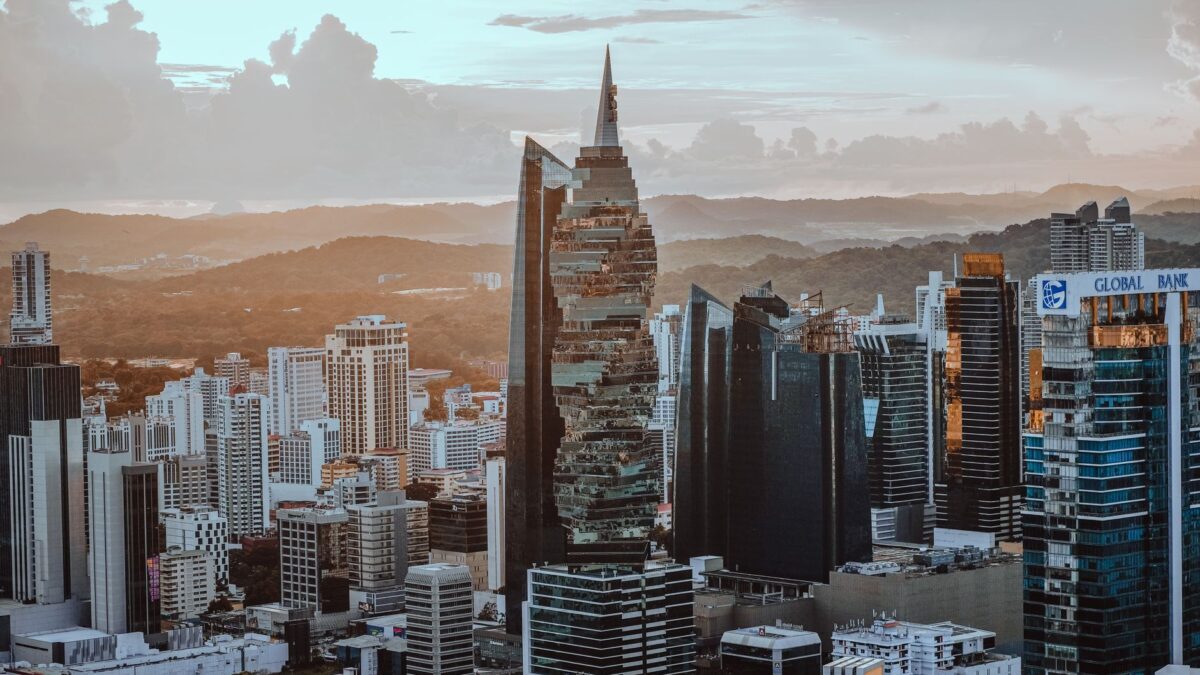
The humidity in Panama City doesn’t just sit on you; it wraps around your shoulders like a warm, wet towel. It is late October, the tail end of the rainy season, and the air feels thick enough to chew. You have just stepped off the plane at Tocumen, or perhaps you are already navigating the chaotic, beautiful energy of the streets, wondering how to actually live here. Moving to Panama isn’t about finding a tropical paradise; it’s about mastering a system that runs on US dollars, colonial history, and a bureaucracy that moves at its own deliberate pace. If you want to settle in without losing your mind, you need to handle the first week with precision.
Navigating Entry and Residency Basics
Your journey begins before you even leave home. As of mid-2026, there is no tourist card fee to buy in advance for most Western nationalities. However, the rules are strict. You must present a passport valid for at least three more months, an onward or return ticket, proof of accommodation, and evidence of solvency—roughly US$500. If you are from the US or Canada, Resolution 22706 of 2021 grants you up to 180 days visa-free per entry. Other Westerners typically get 90 days. Do not overstay. The Servicio Nacional de Migración handles extensions, but penalties are real: overstaying costs about B/.50 per month, which adds up quickly if you are careless.
Once you are in the country, your immediate priority is the filiación, or registration of foreign residency. This is the foundational step for anyone staying longer than a tourist period. You will visit the Servicio Nacional de Migración with two passport photos and copies of your passport and entry stamp. This process costs about B/.50. While this number seems trivial, the administrative weight behind it is significant. Your lawyer will usually file this alongside your formal residency application. Remember, residency is applied for through a licensed Panamanian attorney, who will secure your carné de residente. Only permanent residents can eventually obtain the e-cédula (national ID) at the Tribunal Electoral.
There is a critical legal detail many newcomers miss: Decree Law 3 of 2008 requires you to report any change to your registered details—including a new address, a new passport number, or a change in civil status—within 30 calendar days. A first breach carries a fine of B/.100. Treat your immigration status with the same respect you would treat your property deed.
Opening a Bank Account in a Dollarized Economy
Panama is fully dollarised. The balboa (PAB) exists only as coins, pegged 1:1 to the US dollar, which circulates as paper money. This stability is one of the country’s greatest assets, but it means banking requires specific preparation. Banks here are conservative. You cannot simply walk into a branch and expect service without documentation.
You should aim to open an account with a bank accustomed to expats. Banco General is the largest private bank and widely considered the most expat-friendly. State-owned options like Banco Nacional de Panamá, or major players like Banistmo, BAC Credomatic, Global Bank, and Banco Aliado, are also viable. To open an account, expect to bring your cédula or carné de residente plus your passport, proof of address (such as a utility bill or lease agreement), and professional references. Some branches may accept just the carné, but many still insist on seeing your passport alongside it.
Once your account is active, you must understand the digital landscape. The Banco General Yappy app is the de facto person-to-person payment rail in the country. From taxi drivers to market stalls, everyone uses it. Cash is rarely needed for daily transactions, but you will always have USD bills in your pocket. Eating at local fondas costs about B/.4–6 for a plate of the day, while a single metro ride on Line 1 is roughly B/.0.35. These prices highlight how far your money goes in local life, whereas rent, imported groceries, and air-conditioned electricity are where your budget will truly be tested. Modest one-bedroom flats in the city centre average around B/.1,305 per month.
Getting Connected: SIM Cards and Internet
Connectivity is non-negotiable. Panama has three main carriers: Tigo, Claro, and +Móvil (Cable & Wireless Panama, part of Liberty Latin America). You do not need to arrange this before arrival. Prepaid SIM cards are sold with your passport at Tocumen airport immediately upon arrival, or at major malls like Multiplaza, Albrook, and Town Center, as well as at supermarket counters.
If you plan to travel outside Panama City, carrier choice matters. +Móvil and Tigo generally offer the best coverage in rural areas and provinces. Within the capital, all three provide adequate service. Top-ups, known as recargas, are easy to manage through kiosks, pharmacies, and the carriers’ own apps. For internet, fiber optic is widely available in districts like El Cangrejo, Bella Vista, and Costa del Este, though installation can take a few days. Have a local SIM ready from day one so you can navigate Uber, communicate with landlords, and access government portals.
Transport, Safety, and Daily Logistics
Getting around Panama City requires a mix of walking, riding, and driving. The Metro system, comprising Líneas 1 and 2, is clean, efficient, and cheap. Línea 3 is currently under construction, tunneling under the Canal, which has caused traffic disruptions around Albrook and Balboa. To use the Metro or the MiBus/Metrobús network, you need a Tarjeta Metropolitana, a rechargeable stored-value card bought and topped up at station ticket windows. A single Metrobús ride on a trunk route is about B/.0.25, while a corridor route ride is B/.0.75.
However, the rail network does not reach every district. Residents in Punta Pacífica, Costa del Este, San Francisco, or Clayton often mix highway driving, buses from the Albrook terminal, and ride-hailing services. Uber and InDrive are reliable, with cross-town rides costing between B/.3 and B/.6. Driving is permitted on a foreign license for the first 90 days only. After that, you must convert it. Walking is perfectly viable for daily life in Casco Viejo, El Cangrejo, Bella Vista, Obarrio, and along Avenida Balboa.
Safety in Panama City follows standard Latin American capital rules. Carry your passport with the Panama entry stamp at all times; police can and do ask for ID, and the law requires it. Keep your phone out of sight when walking, especially at night. Avoid wandering off the main lit streets of Casco Viejo toward El Chorrillo or Curundú after dark. Ride-hailing is the safest option for evening transport. Districts consistently named as safest by residents include Costa del Este, Punta Pacífica, San Francisco, and Clayton.
As you settle, take time to explore. The city is rich with history and culture. Visit Biomuseo, Frank Gehry’s only building in Latin America, on the Amador Causeway. Walk through Panamá Viejo, the 1519 original city sacked by Henry Morgan. Enjoy a bowl of sancocho de gallina at a local spot for about B/.5, or grab a hojaldra for breakfast for roughly B/.0.95. The city is shifting into build-up mode for the November independence parades, with Separation Day approaching on November 3rd. Embrace the rhythm, handle the paperwork early, and you will find Panama to be a resilient, rewarding place to call home.
Frequently asked questions
How long can I stay in Panama without a visa?
US and Canadian passport holders can stay up to 180 days per entry visa-free. Most other Western nationalities are granted 90 days.
What documents do I need to open a bank account in Panama?
You typically need your cédula or carné de residente, passport, proof of address (like a lease), and professional references. Some banks may require both your ID and passport.
Is it expensive to live in Panama City?
Daily expenses are low; meals at fondas cost around B/.4–6 and metro rides are under B/.40. However, rent averages B/.1,305 for a modest city-center flat, and imported goods or utilities are higher.
Which neighborhood is best for expats?
El Cangrejo is the traditional expat hub with great value and walkability. Costa del Este is rated the safest with international schools, while Casco Viejo offers historic charm and dining.
Things to do in Panama
 Private Fishing in the Panama Canal, Gatun Lake
 Panama Canal Zone Bike Tour By Paradox Experience
 Day End Tour: Casco Viejo, Amador Causeway & Sabroso Panama
 Hiking Experience in Caldera Transportation Included
 Electric Bike Rental El Valle de Antón (Best Rated Activity)
 River Tubing - Fun and Nature Experience