
Moving to Saudi Arabia: visas, banking and SIM cards
The tarmac at King Khalid International Airport hits you like a wall of warm air, even at 11pm. It’s August in Riyadh, the city is basking in 36–45°C, and the sky is a hazy, overcast blanket that traps the day’s heat. But inside the terminal, the air is crisp, the signs are in Arabic and English, and the rhythm of your new life here begins with three things: a stamp in your passport, a chip in your phone, and a bank card in your wallet. Let’s get you set up.
First, Your Entry and Residency Basics
If you’re arriving on the Saudi eVisa — the most common route for tourists and short-term contractors — you’ve likely already used ksavisa.sa or visa.visitsaudi.com. That visa costs roughly SAR 395, is valid for one year, allows multiple entries, and gives you up to 90 days per stay. It even bundles basic health insurance. Nationals of about 66 countries, or anyone holding a used US, UK, or Schengen visa, can often get this on arrival at RUH, but doing it online beforehand saves you a queue.
For a longer stay, your employer is your gateway. They’ll issue your Iqama — the residence permit that unlocks everything else. Once that plastic card is in hand, you need to register on Absher (the Ministry of Interior’s portal and app), set up Nafath for biometric identity verification, and activate Tawakkalna, which manages your official status and health passes. It sounds like bureaucracy, but it’s streamlined. The golden rule: your Iqama is your digital skeleton key. Keep it scanned in your phone.
Getting a SIM: Your Digital Foundation
Before you even think about banking, buy a local SIM. A Saudi number registered to your Iqama (or passport, for tourists) is a hard prerequisite for Absher, Nafath, and every bank app you’ll use. Walk into any STC, Mobily, or Zain outlet in the Al Olaya district and ask for a prepaid plan. STC’s classic is called Sawa — it’s cheap, reliable, and you can top up at any ATM or via the app. If you want a slicker, sub-brand experience, STC’s digital arm is Jawwy. Expect to pay around SAR 100–150 for a month of generous data. Don’t lose the SIM card sleeve — you’ll need the number for everything.
Banking Without the Branch Visit
The good news: Saudi banking has gone fully digital. Once your SIM is active and your Iqama is linked, you can open an account entirely through an app. No physical branch visit needed in most cases. Al Rajhi and Alinma have the smoothest onboarding — both require no minimum balance and verify you via Nafath in under ten minutes. SNB (AlAhli) and Riyad Bank are also popular, with branches everywhere in Riyadh if you prefer human contact. You’ll get a Mada debit card (which works at every shop and café in the kingdom), an IBAN for your WPS salary transfer from your employer, and access to SADAD for paying bills — think utilities, phone, even traffic fines. Set up SADAD immediately; it’s the only way to pay electricity and water without standing in line.
Pro tip: When the app asks for your “National Address,” you’ll need to register one via Saudi Post (SPL). It’s a simple online form, and you can use your employer’s office address or your compound’s reception. It’s mandatory for deliveries, so do it on day two.
Transit, Housing Districts, and Your First Week
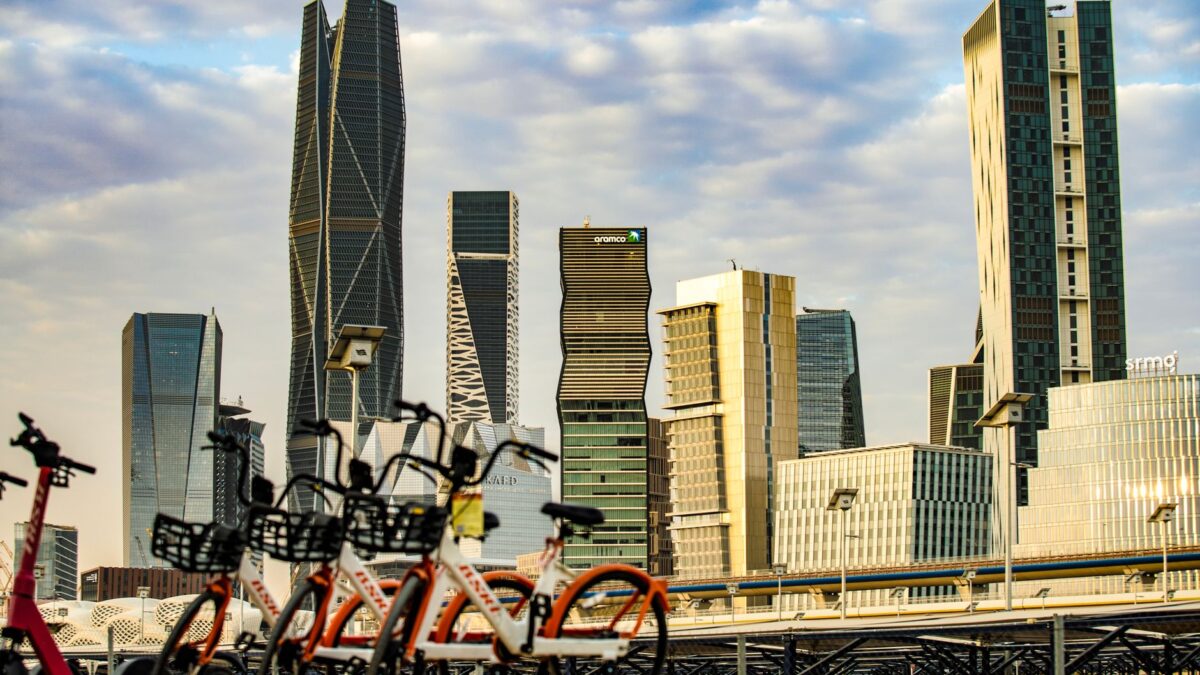
You’re based in Riyadh, the capital of the Riyadh Region (population over 4.2 million). The city is sprawling, but the new Riyadh Metro — six color-coded lines, opened in late 2024 — is a game-changer. The Blue Line runs along King Fahd Road through the business heart of Al Olaya and Al Sulaymaniyah. You’ll need a Darb card, the smart fare card that works on both the metro and the Riyadh Bus. The KAFD station, designed by Zaha Hadid, is worth a detour just for the architecture. The metro is air-conditioned, punctual, and will get you from Al Malaz to KAFD without breaking a sweat.
Where you live shapes your experience. Here’s the local cheat sheet:
- Al Olaya / Al Sulaymaniyah: The central business district, home to Kingdom Centre Tower and Al Faisaliah. Best for short commutes, but busy and pricier.
- Diplomatic Quarter (DQ): Gated, leafy, safe, with walking trails and cafes. Expats love it, but pay a premium.
- Al Nakheel: The gold standard for families — international schools like AIS-R and BISR, quiet streets, compounds.
- Hittin: Trendy and modern, near the King Abdullah Financial District. Dubai-like vibes with rooftop amenities.
- Al Malaz: Older, classic Riyadh with real character. King Abdullah Park and Riyadh Zoo are nearby, and housing is more affordable.
- Tuwaiq: Western expansion near Diriyah Gate and Wadi Hanifah. You get more villa for your money and weekend hiking access to the valley.
For your first weekend, resist the urge to stay in. Head to Masmak Fortress in the old city — the mud-brick citadel where King Abdulaziz recaptured Riyadh in 1902. The bullet holes are still in the gate. Then walk to the National Museum (free admission) and the Murabba Palace next door. In the evening, go to Boulevard Riyadh City or Boulevard World — the open-air entertainment districts with hundreds of restaurants and themed zones. If you’ve got energy, book a day-trip to the Edge of the World (Jebel Fihrayn), the 300-meter cliff drop on the Tuwaiq Escarpment about 90 km northwest. It’s the city’s signature hike, best done at sunrise before the heat hits.
Living the Rhythm of Riyadh Summer
August is when Riyadh powers down its daytime and comes alive after sunset. The calendar is quiet until the late-August rush, but there’s still plenty to do. SAIF 2026, a seven-week arts-and-workshops program at SAMoCA at JAX in the JAX District, runs through August 29 — ceramics, fashion, crafts, film screenings. It’s a great way to meet creative locals. If you’re into electronic music, Ministry of Sound made its Saudi debut on August 7. Keep an eye on platinumlist.net for announcements. And the big ones are coming: LEAP 2026 (“Year of AI”) takes over the Riyadh Exhibition & Convention Center in Malham from Aug 31–Sep 3, and the SEA Expo has been rescheduled to Aug 30–Sep 1 at Riyadh Front. Expect traffic disruptions on Thumama Road around late August, so plan your commutes.
For food, start your exploration at Mama Noura for reliable Lebanese, The Butcher Shop & Grill for steaks, or fi glbak for something more intimate. For coffee culture, hit Atmosphere Specialty Coffee or ULICA SPECIALTY COFFEE in Hittin — the flat whites here rival Melbourne. And if you want a taste of old Riyadh, Souq Al Zal is the oldest market, perfect for antique carpets, oud perfume, and witnessing live late-afternoon auctions.
Staying Safe, Legal, and Connected
Riyadh is one of the safest large cities in the world. Violent crime is almost nonexistent, and you can walk alone at night without worry. But the rules are strict: alcohol is completely prohibited — no exceptions, no black market that’s worth the risk. Dress modestly in public: shoulders and knees covered for both men and women. Women are no longer required to wear an abaya, nor have a male guardian, but conservative dress is respected. Emergency numbers: 911 for police or ambulance — it’s staffed with English speakers.
Finally, embrace the transformation. Under Vision 2030, this city is reinventing itself. The King Abdullah Financial District is the new financial heart, and the New Murabba and Qiddiya megaprojects are reshaping the north. You’ll see it in the skyline, in the crowds at Boulevard, and in the speed at which your paperwork gets approved. The first week is always a blur of apps and approvals — but once your Iqama is linked to your SIM, your bank app is live, and your first Mada card swipe goes through at a café in Al Olaya, you’ll realize: you’re not a visitor anymore. You live here.
Frequently asked questions
How much does a Saudi eVisa cost and how long is it valid?
The Saudi eVisa costs roughly SAR 395, is valid for one year, and allows multiple entries with up to 90 days per stay. It includes basic health insurance and is available to nationals of about 66 countries or those holding used US, UK, or Schengen visas.
Can I open a Saudi bank account without visiting a branch?
Yes, with a Saudi SIM registered to your Iqama and Nafath biometric verification, you can open an account fully online via apps like Al Rajhi or Alinma. Both have no minimum balance and give you a Mada debit card, IBAN, and SADAD access.
Do I need a Saudi SIM before I can use government apps?
Absolutely. A Saudi number registered to your Iqama is a prerequisite for Absher, Nafath, Tawakkalna, and most bank apps. Buy a prepaid SIM from STC (Sawa plan), Mobily, or Zain as your first task after arriving.
What is the Riyadh Metro fare system?
The Riyadh Metro runs six color-coded lines (Blue, Red, Orange, Yellow, Green, Purple) and uses the Darb card, which also works on Riyadh Bus. The KAFD station, designed by Zaha Hadid, is a highlight on the network.
Is Riyadh safe for expat families?
Yes, Riyadh is very safe day and night. The Diplomatic Quarter and Al Nakheel are the top family districts, with international schools and gated compounds. Strict rules (no alcohol, modest dress) apply, but the city is welcoming to foreigners.
Things to do in Saudi Arabia
 Guided Tour in Jeddah by local woman
 AlUla City Tour–5 Attractions with Pickup& Drop Off-Hotel/Airport
 Edge of The World Riyadh Transfer in an Air-conditioned Car
 Walking Tour: Al Masmak Fortress, Souq Al Zal, and Saudi coffee
 Riyadh Desert Safari Dune Bashing, ATV, camel ride, and Sandboard
 Dubai Desert Safari: with Camel Ride, live entertainment and bbq