

Moving to Senegal: visas, banking and SIM cards
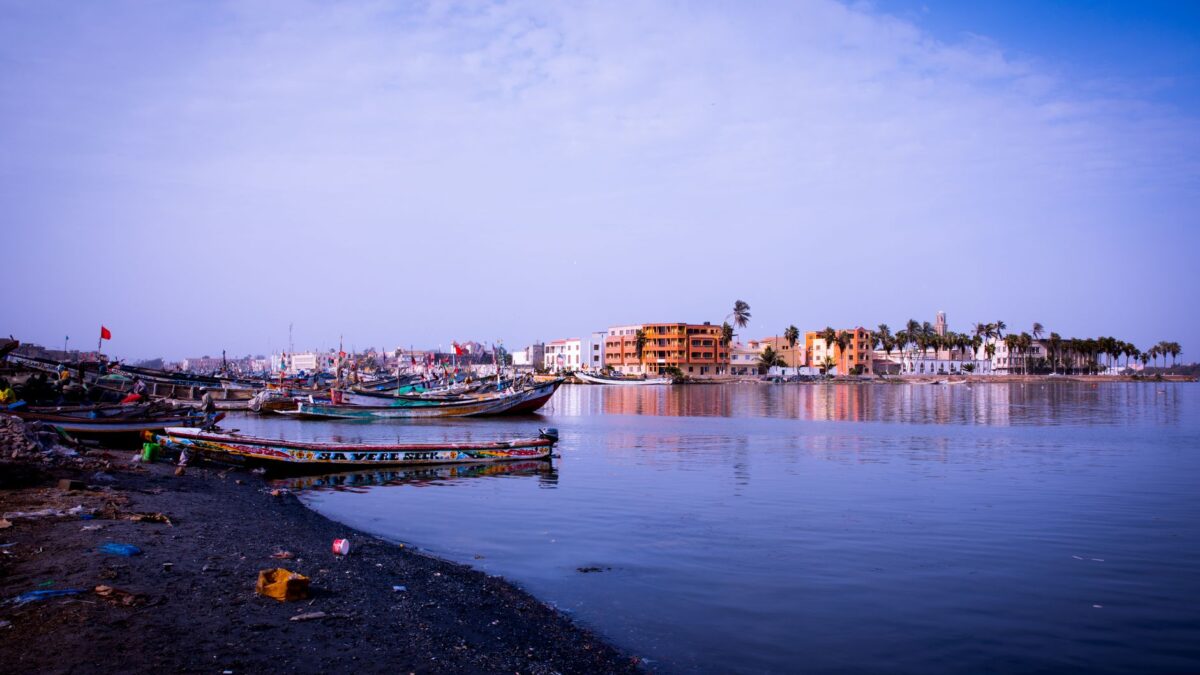
The first thing you notice, stepping out of Blaise Diagne Airport into the August air, is the weight of it. The hivernage has Dakar in a warm, wet embrace — 24 to 29 degrees that feel like 35, a sky that threatens thunderstorm and hail even as the sun burns through. It’s the heart of the Magal season, and the city is hushed in a way that surprises newcomers: Tata buses scarce, shutters down, the university campus deserted. But by the time you’ve sorted your SIM card and your bank account, the rhythm will pick back up — and you’ll be part of it.
First Steps: Visas and the CIE
If you hold a US, UK, or Canadian passport, you’re in luck: Senegal grants visa-free entry for stays under 90 days, provided your passport is valid for at least six months. Other nationalities should use the e-visa portal before flying. But here’s the catch that catches many: a standard entry visa does not permit work. ECOWAS nationals are exempt from work permits, but for everyone else, employment requires separate authorization.
Within 90 days of arrival, you must register as a resident. Head to the DPETV (Division de la Police des Étrangers et des Titres de Voyage) in Dakar with your passport, a passport photo, and a fiscal stamp costing about XOF 15,000. You’ll also need to pay a repatriation deposit at the Caisse des Dépôts et Consignations — for US citizens, that’s roughly XOF 130,000. In exchange, you’ll get a renewable six-month récépissé (receipt) while your actual CIE (Carte d’Identité d’Étranger) is produced. Count on six to twelve months for the card itself; the récépissé is your temporary ID for all practical purposes, including opening a bank account.
Banking: Your Money, Your Options
Dakar’s banking scene is more accessible than you might think. To open an account, you’ll need your passport, proof of address (a utility bill or lease works), and an initial deposit — usually somewhere in the range of USD 500 to 2,000. The banks expats actually use are Ecobank, with its pan-African network ideal if you travel, and SGBS (Société Générale de Banques au Sénégal), part of the French group. BIAO and CBAO are also solid, and you’ll find branches like Ecobank Sénégal and Coris Bank across the Plateau and Almadies.
A note on currency: you’re operating in West African CFA francs (XOF), pegged to the euro at 655.957 XOF = 1 EUR. As of 2024, one US dollar bought about 606 XOF. Inflation is low — around 1.5% — but prices in expat-friendly spots are higher than street-level. Keep that in mind when you budget: a modest one-bedroom flat in Grand Yoff or Parcelles Assainies might run 150,000 to 300,000 XOF per month (about $370), while Almadies is a different universe entirely.
Getting Connected: SIM Cards and Mobile Money
Your first purchase after landing should be a local SIM. Orange Sénégal (Sonatel) dominates with about 57% market share and the best coverage, including 5G in Dakar. You can buy a SIM right at an Orange store at Blaise Diagne Airport with just your passport. A prepaid data pack runs roughly XOF 5,000 for 7 GB per month — plenty for navigation and WhatsApp. The budget alternative is YAS (formerly Free Sénégal, rebranded in November 2024), and Expresso is a distant third.
But the SIM is more than a phone number: it’s your gateway to Orange Money, the dominant mobile wallet. Nearly every shop, market stall, and taxi driver accepts it. You’ll use it to pay for everything from thieboudienne at a local canteen (about XOF 1,000–2,500) to topping up your transit pass. Don’t skip this step; it would be like arriving in the US without a debit card.
Getting Around: From Car Rapides to BRT
Dakar’s transport is an adventure in itself. The iconic car rapides — those painted 1970s minibus jitneys — are being phased out, but around 800 still ply the streets, charging 200–500 XOF for a ride. The formal Dakar Dem Dikk buses are more reliable; a single fare runs 200–500 XOF, and a monthly pass is about 15,000 XOF (some sources cite higher, around 45,000). The new BRT system is expanding, with ticket purchases now integrated into the Max it app thanks to a recent Sonatel deal.
For longer trips, the TER regional train links the Plateau to Diamniadio in about 25 minutes — the perfect way to avoid the notorious traffic. Yellow taxis negotiate fares from 1,000–2,000 XOF for short hops; for a trip from the airport (47 km out), budget 12,000–22,000 XOF, ideally with a fixed-price arrangement. Yango and Heetch apps also work, and they’re often less stressful.
Where to Live: Neighborhoods That Fit
Your choice of neighborhood shapes your Dakar experience. The Plateau is the historic and business heart, with colonial-era grid, Place de l’Indépendance, and the Hilton, Radisson, and Pullman hotels. It’s walkable but traffic-heavy. Médina offers the most vibrant street life — think the Grande Mosquée, Tilène Market, and a dense, un-planned grid that dates to the 1914 plague relocation. For a more relaxed, bohemian vibe, Ngor is a former fishing village turned surf hub, cheaper than the exclusive Almadies peninsula, where you’ll find the US Embassy and International School of Dakar.
Families often opt for the “expat triangle” of Mermoz, Sacré-Cœur, Fann, and Point E — green, quiet, and close to UCAD university and good cafés like KOTAO Coffee or Coffee Loft Dakar. On a budget, Ouakam and Yoff offer real Senegalese street life at mid-range rents. Wherever you land, check that your building has a generator or inverter — power outages are routine, and the hivernage heat demands a fan or AC that works when you need it.
Daily Life and the Dakar Rhythm
Senegal is famously stable, and Dakar in 2026 feels optimistic as offshore oil and gas revenues begin to flow. But daily life is still about markets, salt air, and coffee. Start your morning with a café Touba at a local spot (a cappuccino will run 1,000–2,500 XOF), then hit the Soumbédioune Fish Market for the morning catch, or linger at Tilène and Sandaga markets for wax prints and spices. For culture, the Museum of Black Civilisations — currently hosting a fascinating exhibit of replica Ming-dynasty costumes alongside West African textiles — is a must. The IFAN Museum of African Arts is a steal at a few hundred XOF.
Weekends are for Gorée Island — a 20-minute ferry from the Plateau to a UNESCO-listed site of profound history and coastal calm — or a day trip to Lac Rose, the pink salt lake 35 km away. And when the city feels too hectic, remember that Dakar is mainland Africa’s westernmost point; the Atlantic is never far, and the surf at Ngor and Almadies is world-class.
One last thing: embrace the teranga — the legendary Senegalese hospitality. Your neighbors will invite you for ceebu jen, the national dish of rice and fish, before you’ve even unpacked. Say yes. That’s how you’ll truly arrive.
Frequently asked questions
Do I need a visa to move to Senegal from the US?
US citizens can enter visa-free for up to 90 days. For longer stays, you must register at the DPETV within 90 days to apply for the CIE (Carte d'Identité d'Étranger). A standard entry visa does not permit work.
How much does it cost to open a bank account in Dakar?
You'll need an initial deposit of roughly USD 500–2,000, plus your passport and proof of address. Banks like Ecobank and SGBS are popular with expats.
Which mobile network is best in Senegal?
Orange Sénégal has the best coverage and 5G in Dakar. You can buy a SIM at the airport with a passport; a 7GB data pack costs about XOF 5,000 per month.
How much does a monthly transit pass cost in Dakar?
A monthly bus pass is around 15,000 XOF, though some sources cite up to 45,000 XOF. The BRT is expanding and integrates with apps like Max it.
Is it safe to live in Dakar?
Senegal is generally safe and stable, but stay vigilant for snatch theft in crowded markets like Sandaga. Power outages are common, so choose housing with a generator or inverter.


