

Moving to Serbia: visas, banking and SIM cards
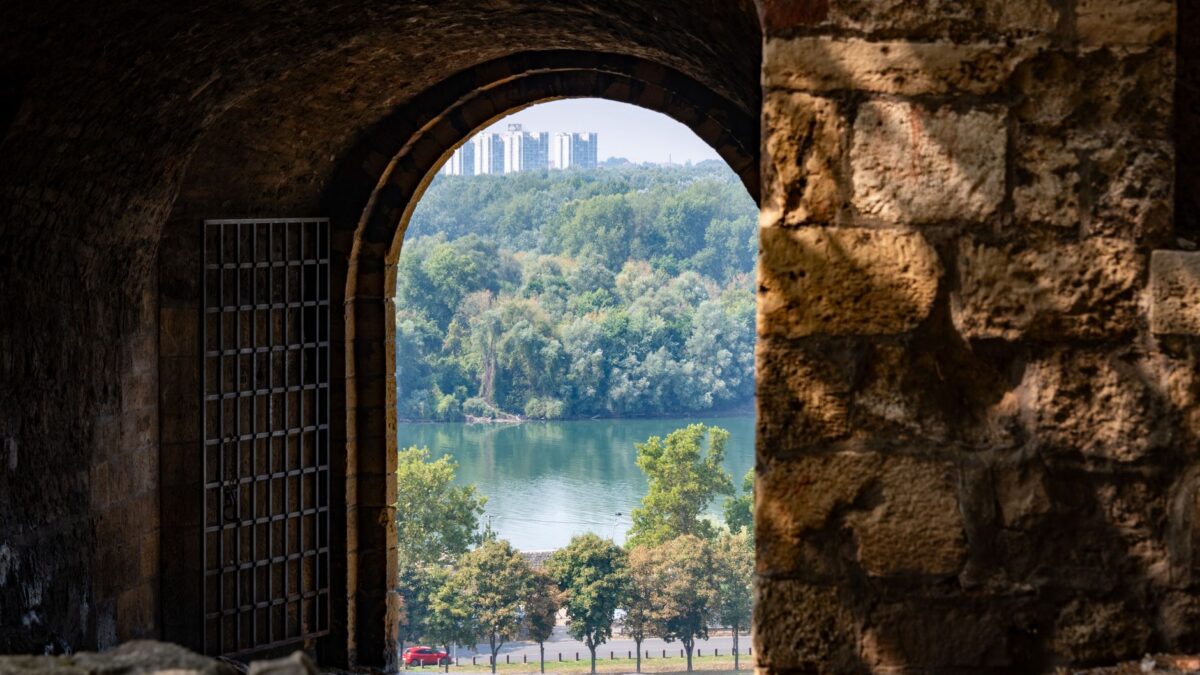
It is grey, damp, and heavy with fog in Belgrade right now. The city has shifted into its indoor season; the outdoor splavovi are winding down, but the kafanas are filling up with the smell of roasting meat and the sound of tamburica bands. If you are planning to move here, or even just stay longer than a quick holiday, the first week can feel like navigating a labyrinth of bureaucracy while trying to find your footing in a capital that is simultaneously ancient and rapidly modernizing. I am Milica Jovanović, and today I want to walk you through the practical setup: visas, banking, SIM cards, and where to actually live.
Navigating Entry and Registration
For citizens of the US, UK, EU/EEA, Canada, Australia, Japan, and many others, Serbia offers a generous visa-free entry of 90 days within any 180-day period. You can enter on a national ID card if you are from the Schengen area, or simply present your passport. However, there is a critical logistical note regarding Kosovo: Serbia does not recognize Kosovo entry stamps. If you are overland from Kosovo, you may be refused entry; it is safer to exit via Montenegro or North Macedonia first.
Once you land at Nikola Tesla Airport, the clock starts ticking. Every foreigner must register their address—known locally as the beli karton or white card—at the local MUP police station within 24 hours of arrival. If you are staying in a hotel or hostel, they handle this for you automatically. But if you are renting privately, the landlord must accompany you to the police station with their ID and property deed. This is often a point of friction; landlords frequently dodge this registration to avoid tax liabilities. You should settle this arrangement when negotiating your rent. Carry a copy of this white card at all times, as it is your primary proof of address. If you plan to stay longer than 90 days, you must apply for temporary residence (boravak) at the MUP before your initial 90 days expire. Processing typically takes a few weeks, so do not wait until the last minute.
Opening a Bank Account
Banking in Serbia requires patience and physical presence. You cannot open an account remotely. You will need to visit a branch in person with your passport. For non-residents, some banks offer a narrow range of foreign-currency accounts, but once you have your boravak, you gain access to the full resident package, including e-banking and credit facilities. The most reliable banks people actually use include Banca Intesa, Raiffeisen Bank, UniCredit, Erste Bank, OTP, AIK Banka, and Poštanska štedionica. You might also see ALTA Banka or Dina card services around town.
Bring your passport, and be aware that foreign documents may require a court-interpreter translation. With a complete file, approval usually takes 1–3 business days, and your debit card arrives in 7–10 days. Basic account fees run roughly 200–500 RSD per month. The currency is the Serbian dinar (RSD). As of late 2024, the exchange rate hovers around 108.208 RSD per US dollar. While inflation is currently around 3.9%, prices for food and cafes have climbed sharply, making budgeting essential. Rent for a modest one-bedroom flat (garsonjera) in a popular location like Stari Grad costs between 60,000 and 80,000 RSD monthly, though landlords often quote in euros (approx. €500–700).
Getting a Local SIM Card
Do not rely on your home carrier’s roaming plan. Serbia is outside the EU ‘roam like at home’ zone, and international rates can be exorbitant. Instead, buy a local prepaid SIM card immediately upon arrival. The three national carriers are mts (Telekom Srbija), Yettel, and A1. Prepaid tourist SIMs are sold at the airport arrivals hall, in every mall, and at kiosks downtown. Remember that Serbian SIMs require ID registration at the point of purchase, so keep your passport handy. Topping up is done at kiosks using a specific number code, not by swiping a card. This small step will save you significant money and ensure you have reliable data for navigating the city.
Transportation and Daily Costs
One of the best-kept secrets for newcomers is that public transport in Belgrade is completely free. Since January 1, 2025, every regular bus, tram, trolleybus, and BG Voz commuter train is fare-free. There is no ticket to buy, no card to reload, and the old BusPlus card is obsolete. Bus 72 runs directly from Nikola Tesla Airport into the centre as a free city bus. For taxis, use the CarGo app or have your hotel order a cab; skip unlicensed cars at the kerb. A short ride across the centre typically costs 800–1,500 RSD.
Daily life here has a distinct rhythm and cost structure. A cup of coffee in central Belgrade costs about 300–450 RSD. For breakfast, grab a burek from a bakery—it’s the standard cheap meal at 400–410 RSD per portion. Lunch at an average restaurant runs 1,500–2,500 RSD, while a three-course dinner for two at a mid-range spot is around 5,900–6,000 RSD. A local draft beer in a kafana is roughly 350–390 RSD. Keep in mind that early November means dark by 16:30, so plan your indoor activities accordingly. Also, be aware of current roadworks on the link to the airport and closures on Ulica Milana Rakića, which force detours.
Where to Live and Safety Tips
Choosing a district depends on your lifestyle. Stari Grad (Old Town) is the historic core, walkable and central, perfect for those who want to be near Knez Mihailova street and the Fortress. Dorćol, between Kalemegdan and the Danube, is the coolest quarter, split into an elegant upper section and a creative lower area with art spaces like Silosi. Savamala is the nightlife and creative hub along the Sava river, heavily reshaped by recent megaprojects. Vračar is leafy and residential, home to the Temple of Saint Sava and the Nikola Tesla Museum. Novi Beograd, across the Sava, is more functional and brutalist, closer to the airport and malls.
Safety in Belgrade is generally good by European capital standards. The main risks are pickpocketing on trams 2 and 7, or on Knez Mihailova street. Late-night areas like Savamala can be rowdy but are rarely dangerous. However, given the current political climate—with ongoing protests and security presences around Pionirski park and Republic Square—you should check local news before planning your day. Avoid large gatherings if possible. Also, note that indoor smoking is still permitted in bars and kafanas, so bring a scarf if you are sensitive to smoke.
Frequently asked questions
Do I need a visa to enter Serbia for tourism?
Citizens of the US, UK, EU, Canada, Australia, and others can enter visa-free for up to 90 days in any 180-day period. EU/EEA citizens can enter with just a national ID card.
How do I register my address in Serbia?
You must register at the local MUP police station within 24 hours of arrival to get a 'beli karton' (white card). Hotels do this for you; private renters must go with their landlord.
Is public transport free in Belgrade?
Yes. Since January 1, 2025, all buses, trams, trolleybuses, and BG Voz trains are free to ride. No tickets or cards are required.
Can I open a bank account without a residence permit?
Non-residents can open limited foreign-currency accounts with just a passport, but full resident accounts with e-banking and credit require a valid boravak (residence permit).
What are the best SIM card providers in Serbia?
The three main carriers are mts (Telekom Srbija), Yettel, and A1. You must register your SIM with your passport at purchase, either at the airport or local kiosks.


