

Moving to Seychelles: visas, banking and SIM cards
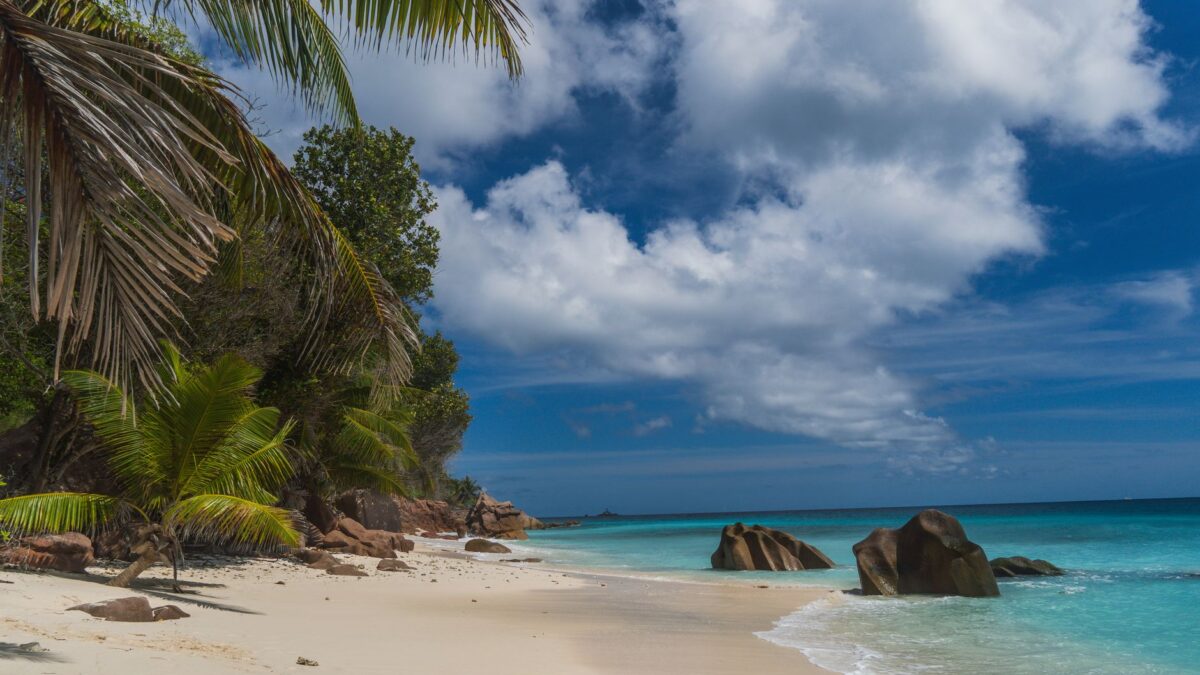
The trade winds are howling outside my window in Victoria, rattling the palm fronds and kicking up whitecaps in the harbour. It’s late August, the height of the southeast monsoon — the season locals call soufflé — and the city feels both urgent and laid-back at once. If you’re reading this because you’re planning a longer stay on these granite islands, let me be the friend who walks you through the first week: the paperwork, the bank queue, the SIM card, the bus pass. I’ve done it all myself, and I’ve watched enough newcomers fumble to know exactly what you need to sort first. So grab a Seybrew (about 60 SCR, roughly $4) and let’s get you settled.
Arrival and Your First Week: Visas and Permits
Contrary to what you might fear, you do not need to apply for a visa before flying to Seychelles. Most nationalities get a free Visitor’s Permit stamped on arrival at Seychelles International Airport. However, you must complete the Seychelles E-Border (SEBS) form online before you fly — it costs around US$11 (€10) and saves you a lot of queue-side fumbling with your phone. Bring a passport valid for your entire stay, a return or onward ticket, confirmed accommodation, and be ready to show proof of funds — roughly US$150 per day. The initial permit is about 30 days, extendable up to 12 months, though hassle-free extensions are not a given. Note: Kosovo passport holders are the main exclusion, so check ahead if that applies to you.
Once you’re here, your real first task is to get a Gainful Occupation Permit if you plan to work, or a Residence Permit for long-term stays. Both are handled by the Department of Immigration and Civil Status. Once you’re a resident, you’ll be issued a Seychelles National Identity Card — and trust me, you want that card as soon as possible because every bank and employer will ask for it. The process can be bureaucratic, so bring extra copies of everything: passport pages, proof of address, employment contract. It’s not unusual to spend a morning in a government office, but it’s worth doing properly.
Where to Live: Choosing Your First Neighbourhood
You’re likely to start in Victoria, the capital, and you’ll quickly learn the districts have distinct personalities. English River (La Rivière Anglaise) is the true centre – government buildings, the Victoria Clock Tower (locals call it Lorloz), the Sir Selwyn Selwyn-Clarke Market, and most of the banks. It’s convenient but can feel busy. Saint Louis is the hilly residential district right around the centre, perfect if you want to walk to work but need greenery. Mont Fleuri, east of the centre, offers the National Botanical Gardens and a more laid-back vibe, but it’s a bit of a uphill climb home. Bel Air is the upscale “noble suburb” above the harbour with panoramic views, but pricier. If you’re on a budget, Mont Buxton or Roche Caiman — the flat reclaimed area on the edge of town near Stade Linité and Orion Mall — might be your best bets.
Rent for a modest one-bedroom flat in central Victoria runs about 12,900–14,500 SCR (around $940 per month). That’s not cheap, but you’ll pay for location. For a more affordable option, look at Mont Buxton or even further out towards Beau Vallon, which is a 15-minute drive from the centre and offers beachside living. Just remember: the southeast monsoon makes exposed east and southeast shores rough this time of year, so west-coast spots like Beau Vallon stay calmer — both for swimming and for your sanity.
Banking: Opening an Account Without Tears
You’ll need a local bank account for salary deposits, rent payments, and everyday life. The process is refreshingly straightforward if you come prepared. Head to one of the main banks: Seychelles Commercial Bank (SCB) on Palm Street or at Orion Mall, Nouvobanq on State House Avenue, MCB Seychelles, Absa Bank (formerly Barclays), or Bank of Baroda. You’ll need to visit in person — no online applications here. Bring your passport, proof of local address (a utility bill or lease under three months old), and proof of income or source of funds (payslip or employer letter). Expats typically also show their work permit. It’s not uncommon to spend half a day in the bank, so pack a snack and patience. If you have any hiccups, the staff are generally friendly and used to helping foreigners.
Once your account is open, you’ll get a debit card that works at local ATMs and most shops. Paying by card is common, but cash is still king at the market and small eateries. The local currency is the Seychelles rupee (SCR), and the exchange rate hovers around 14.53 per US dollar (as of 2024), with inflation at a sleepy 0.3% — so your budget won’t be eaten away. Remember, Seychelles is one of the priciest islands in the Indian Ocean: rent and imported groceries are steep, even if a bus ride costs only 10 SCR (about 70 cents).
Getting Connected: SIM Cards and Internet
You’ll want a local number within your first hour, and it’s easy: two mobile operators, Airtel Seychelles and Cable & Wireless Seychelles. Both sell prepaid SIMs at the airport arrivals hall — just bring your passport. You can top up at agents all over Victoria, and data bundles are reasonably priced if you shop around. I’ve used both networks; reception is good in Victoria and patchy in the hills, but that’s part of island life. If you need reliable internet at home, fibre is available in central areas — ask your landlord to set it up before you move in, or you’ll be waiting a week or two.
For getting around without a car, the SPTC buses are your friend. They’re cheap — a single fare is about 10 SCR (around 70 cents) and a monthly pass around 360 SCR (roughly $25) — and they run frequently enough to get you from Victoria to Beau Vallon or the botanical gardens. You’ll need an SPTC smart card, topped up at the Victoria bus terminal. Buses are the way locals cross the island, so you’ll blend in faster if you master them early. Taxis are available, but the airport-to-city ride costs about 300 SCR ($21) and they add up if you use them daily.
Registering and Staying Legal
Besides your residency permit, there are two more things to handle in your first week. First, register with the Department of Immigration and Civil Status once you have your address — this is where you get your National Identity Card. Don’t put it off; you’ll need it for everything from opening a bank account to signing a lease. Second, if you’re working, your employer will usually help with your Gainful Occupation Permit, but make sure you understand the process: it’s tied to your job, so if you switch employers, you’ll need to update it.
One thing that surprises newcomers is how safe Victoria is. Violent crime is low, and the main nuisances are traffic and occasional petty theft. Use normal big-town caution at night, especially around the bus terminal, but you don’t need to be paranoid. The city is genuinely friendly — everyone waves back.
Feeling at Home: The Soul of Victoria
Once the paperwork is done, you can start enjoying the real Victoria. The Sir Selwyn Selwyn-Clarke Market is the daily heart of the city — a cacophony of fish, spices, and fresh fruit that’s been running since 1840. Grab a plate of kari zourit (octopus curry) from a local stand for about 75 SCR (around $5), or treat yourself to shrimp curry and grilled fish at Delikates Kreol for roughly 250 SCR ($17). If you’re on a budget, an inexpensive takeaway plate of grilled fish and rice costs only 60–90 SCR ($5). For a mid-range splurge, a main dish at somewhere like Fuego Bistro or The Copper Plate will set you back 350–500 SCR ($29), but it’s worth it on a special night.
If you need a dose of culture, the National Museum of History (entry about 50 SCR) offers a crash course in Seychellois history, from the French settlement L’Établissement du Roi in 1778 to independence in 1976 and beyond. And don’t miss the Bicentennial Monument in Freedom Square — three white wings symbolising the African, Asian, and European roots of the Seychellois people. This month, there’s also the Bolshoi Theatre’s Through Time exhibition at the National Gallery of Art in the National Library building — the first time it’s ever shown in Africa, and it’s open until the end of August. Go for the costumes from The Nutcracker and Swan Lake; it’s a rare treat.
For evenings, head to Beau Vallon Beach, about 15 minutes from town. The sand is soft, the water is calmer this side of the island, and the beach bars — like Aloha Docklands or Zil Kreol — host live music most weekends. If you’re into fishing, the Seychelles Sports Fishing Club’s SE Monsoon Sailfish tournament is happening on the 29th at Beau Vallon, and it’s quite a spectacle. Or just take a hike up the Copolia Trail in Morne Seychellois National Park, which rises right above the city — views of Victoria and the ocean, plus endemic pitcher plants and the island’s own snake (harmless, I promise).
Your first week in Victoria will be a whirlwind of paperwork, but once that’s done, you’ll discover why the Seychellois call this a paradise with a heartbeat. The trade winds will keep blowing, the curries will keep coming, and you’ll soon be giving directions to the next newcomer like you’ve lived here forever. Welcome home.
Frequently asked questions
Do I need a visa to move to Seychelles?
Most nationalities get a free Visitor's Permit on arrival, valid about 30 days, extendable up to 12 months. Complete the Seychelles E-Border (SEBS) form online before flying and bring proof of funds (~US$150/day). For work or long-term stay, apply for a Gainful Occupation or Residence Permit.
How do I open a bank account in Seychelles?
You must visit a bank in person, such as Seychelles Commercial Bank or Nouvobanq, with your passport, proof of local address (utility bill or lease under 3 months), and proof of source of funds. Expats typically show their work permit and National Identity Card.
What's the best way to get a local SIM card?
Buy a prepaid SIM from Airtel Seychelles or Cable & Wireless Seychelles at the airport on arrival with your passport. Top up at agents around Victoria and choose a data bundle that suits your needs.
How much does it cost to live in Victoria, Seychelles?
Rent for a modest one-bedroom flat in the centre is about 12,900–14,500 SCR (around $940) per month. Local takeaways cost 60–90 SCR for a meal, while a mid-range restaurant main dish runs 350–500 SCR. Buses are cheap at 10 SCR per ride.
Is Victoria a safe city for expats?
Yes, Victoria is genuinely safe with low violent crime. The main issues are traffic and occasional petty theft. Normal big-town caution at night, especially around the bus terminal, is all you need.


