

Moving to Singapore: visas, banking and SIM cards
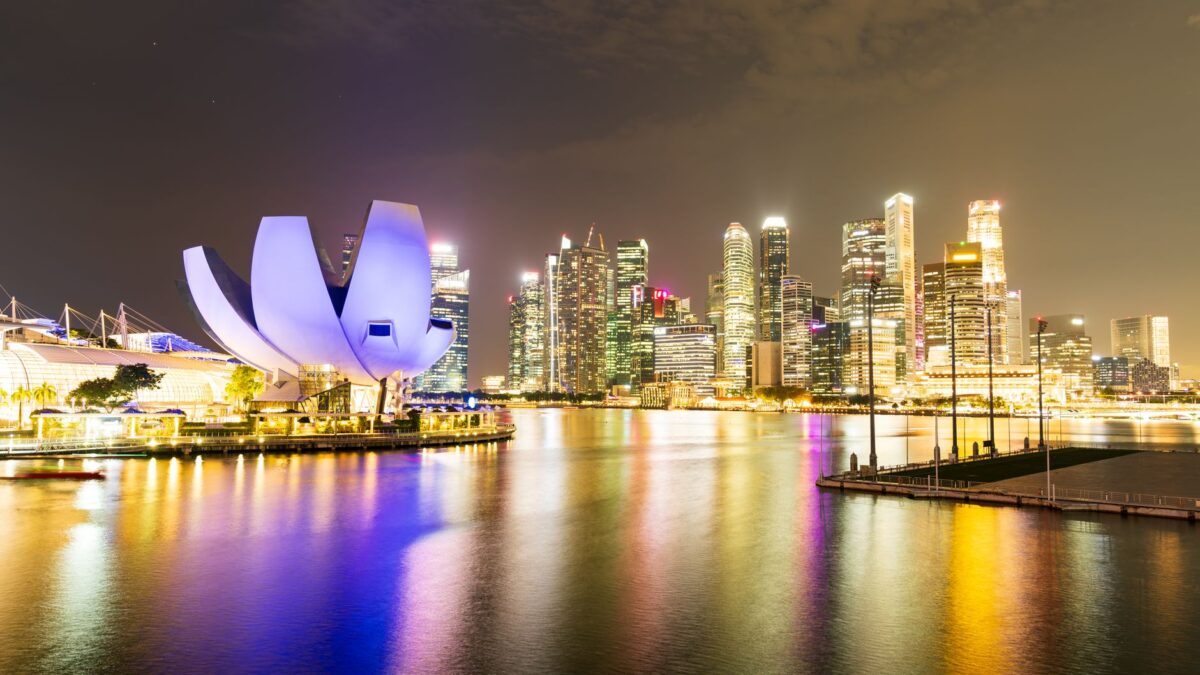
The drizzle is so fine you barely feel it, but the air is thick enough to drink. It’s 7:15pm on a Friday in late August, and I’m standing at the top of Fort Canning Hill watching the city below flicker with light installations. The 17th Singapore Night Festival is in full swing — stilt walkers are weaving through the Bras Basah–Bugis precinct, and somewhere near the National Museum of Singapore a crowd is laughing at a projection mapping show. You’ve just landed, your passport is stamped with 30 days of visa-free entry, and you’re about to figure out how to make this city home. Let me walk you through the first week — the practical stuff that turns a visitor into a resident.
Entry, passes, and getting your Singpass
First things first: if you’re from the US, UK, EU, Australia, New Zealand, Japan, South Korea, or most ASEAN countries, you get visa-free entry for 30 to 90 days. Your passport needs at least six months of validity — check that now, because the immigration officer will. Everyone, regardless of nationality, must submit the SG Arrival Card (SGAC) via the MyICA app within 72 hours before you land. It’s free, it takes five minutes, and you’ll be turned away at Changi if you skip it.
If you’re moving for work, your anchor pass is the Employment Pass (or S Pass) issued by the Ministry of Manpower. You’ll fly in with an In-Principle Approval letter, then collect the physical card within a week. The moment you have your FIN (Foreign Identification Number), register for Singpass at singpass.gov.sg. This digital identity unlocks everything — from filing taxes to applying for bank accounts in minutes. Do this on day one; it’s the key to the city.
Banking: open an account in an afternoon
Singapore runs on three big banks: DBS/POSB, OCBC, and UOB. Most expats I know open a DBS Multiplier (no minimum balance) or an OCBC 360 account. A UOB One account needs a S$1,000 minimum — fine if you’re parking some cash, but not necessary. With your Singpass and MyInfo, you can open a DBS or OCBC account remotely via their apps — no branch visit needed. I did mine on a Sunday morning over kopi at a hawker centre.
Bring your passport, your work-pass card or IPA letter, and proof of a Singapore address — a tenancy agreement works. Then, and this is crucial, register for PayNow, the instant transfer system that ties your bank account to your phone number or NRIC. Everyone uses it — from the satay seller at Lau Pa Sat to your landlord. Without PayNow, you’ll be writing cheques like it’s 1999.
Getting a local SIM (yes, you need one)
You cannot function here without a local number. Bank OTPs, Grab, even your condo’s visitor registration — everything texts you. The three main telcos are Singtel, StarHub, and M1. Tourist prepaid SIMs cost about S$15 for 7 days and are sold at Changi Airport and 7-Eleven, but for a longer stay, get a postpaid plan. MVNOs like Circles.Life offer competitive data plans, and you can switch with a few taps in an app. The local number is non-negotiable.
Once you have it, download Grab (the dominant rideshare app), the MyICA app for future arrivals, and the SG Buses app to track buses. Also get the EZ-Link app or buy a physical EZ-Link card at any MRT station — about S$10 including the card fee. You can tap your contactless Visa/Mastercard or Apple Pay directly on the MRT and buses, so that works too, but the EZ-Link card gives you that satisfying beep and no foreign transaction fees if your card isn’t local.
Registering where required (and what you can skip)
Singapore doesn’t have a universal address registration for residents, but a few things need your address on file: your bank, your telco, and your employer. If you’re on an Employment Pass, your employer handles your work-pass registration with MOM. You’ll also need to update your address with ICA within 14 days of moving — do it online via the e-Service.
One thing you’ll notice: there’s no postcode drama. Every building has a six-digit postal code, and you’ll punch it into every app — from Grab to food delivery. Memorise your home’s code within a week, and you’ll feel like a local.
Where to live: pick your vibe
Rents are the biggest line item. A modest one-bedroom HDB flat (public housing) runs about S$2,500–3,500 a month. Condos are pricier but come with pools and gyms. Here’s a cheat sheet I wish I’d had:
- Tiong Bahru — Singapore’s oldest public-housing estate (since 1929) with Art Deco walk-ups, the famous Tiong Bahru Market hawker centre, indie bookshops, and cafes. Ten minutes from the CBD.
- Holland Village — the bohemian expat enclave. Al fresco dining, bars, a legendary hawker centre, and close to the Botanic Gardens and international schools.
- Katong / Joo Chiat — Peranakan heritage shophouses in pastel, Katong laksa, and easy access to East Coast Park’s 15km cycling trail. New Thomson-East Coast Line MRTs make it a quick hop to the city.
- Orchard Road / Tanglin — the luxury strip (26 malls) with leafy landed-estate fringe. Great if you want shopping at your doorstep.
- River Valley / Robertson Quay — riverside condo-living, the city’s best brunch, and a 15-minute walk to the CBD. This is where the late-night crowd lives.
- Marina Bay / Tanjong Pagar — for finance and tech professionals who want to walk to work. Impress your mates when they visit, but it’s a bit sterile on weekends.
Getting around (and surviving the MRT quirks)
Singapore’s MRT is efficient, clean, and safe. But right now, there are quirks: the Downtown Line ends service at 11:30pm on Fridays and starts at 8:30am on Saturdays through 5 September 2026, while they test the new extension to Xilin and Sungei Bedok. Shuttle buses S41–S43 cover the gap on Saturday mornings. If you’re near Sengkang, the LRT loop via Cheng Lim is shut for depot works until October, with shuttle buses supplementing the Renjong loop. And if you’re living along Punggol Walk, expect overnight drilling noise from Cross Island Line construction — the LTA is lending out noise blankets, which tells you it’s loud.
Despite the construction, transit is cheap. A short MRT trip (under 3.2km) costs about S$1.28 with a fare card. The adult monthly pass is S$122 and covers unlimited basic bus and MRT — if you commute daily, it pays for itself. Taxis are metered and easy to flag, but Grab is cheaper most of the time.
Eating on a budget (and living like a local)
Here’s the silver lining of Singapore’s cost of living: food is a bargain at hawker centres. A plate of Hainanese chicken rice at Maxwell Food Centre (try Tian Tian — Bourdain-approved) runs S$4–6. A bowl of Katong-style laksa is S$5–7. Char kway teow, that smoky wok-fried noodle dish, goes for S$4.50–6. You can eat a filling meal plus a drink for S$4.50–7.50. A cup of kopi (local coffee) is S$1.50–2.50 — get it with ‘siew dai’ (less sugar) if you don’t have a sweet tooth. Satay at Lau Pa Sat’s ‘Satay Street’ is S$0.80–1.00 per stick, so a set of ten is around S$10. A mid-range restaurant meal will set you back S$20–40 per person, but honestly, the hawkers are where the magic is.
One tip: the Public Transport Council raised adult transit fares about 5% in December 2025, but the S$122 monthly pass is still a steal. And if you’re missing western comfort food, there’s MERCI MARCEL CLUB STREET for French bistro vibes, or Common Man Coffee Roasters on Martin Road for excellent flat whites. For a fancy night, book a table at 808 Eating House or Fatt Choy — both serve elevated local comfort food that’ll make you feel like you’ve already ‘made it’ in Singapore.
What’s on this week (because you should go out)
You’ve landed in the thick of festival season. The Singapore Night Festival runs through 5 September — catch the light projections at the National Gallery, the guided night walk up Fort Canning Hill (the theme is ‘Myths and Legends’), and the first-ever museum precinct in Bras Basah–Bugis. If you’re into collectibles, Pop Mart’s Pop Toy Show is at Marina Bay Sands Expo until 23 August — it’s MOLLY’s 20th anniversary, so expect exclusive figures and artist meet-and-greets.
And on 29–30 August, Adidas is turning Orchard Road into a temporary F1 street track with a live Mercedes-AMG demonstration run by reserve driver Fred Vesti, plus a fan festival with BABYMONSTER at Design Orchard. The city’s gearing up for the real Grand Prix weekend, so expect street closures and pop-up activations all over town.
The bottom line
Singapore is safe — you can walk alone at night without a second thought. But the laws are strict and distinctive: fines for littering and eating or drinking on the MRT, chewing gum is banned (the sale, not the chewing), and drug offenses carry severe penalties, including mandatory death for trafficking. Don’t risk it.
Your first week: get your SG Arrival Card sorted, collect your Employment Pass, register for Singpass, open a bank account, buy a local SIM, and go eat chicken rice at Maxwell. Do that, and you’ll feel less like a tourist and more like someone who’s about to call this island home. The rest — like learning to love the humidity — will come with time.
Frequently asked questions
Do I need a visa to move to Singapore?
Most nationalities from the US, UK, EU, Australia, New Zealand, Japan, South Korea, and most ASEAN countries get visa-free entry for 30-90 days. You still need to submit the free SG Arrival Card via the MyICA app within 72 hours before arrival. For work, you'll need an Employment Pass or S Pass from MOM.
How do I open a bank account in Singapore as an expat?
Bring your passport, work-pass card or IPA letter, and proof of address (tenancy agreement). With Singpass, you can open DBS or OCBC accounts remotely via their apps. Most expats open DBS Multiplier (S$0 min) or OCBC 360. Register for PayNow immediately for local transfers.
What's the best SIM card plan for a long-term stay in Singapore?
For longer stays, choose a postpaid plan from Singtel, StarHub, or M1, or try MVNOs like Circles.Life. A local number is essential for PayNow, bank OTPs, and ride-hailing. Tourist prepaid SIMs (about S$15 for 7 days) are fine for short trips but not cost-effective for months.
How much does it cost to live in Singapore?
Rent is the biggest cost: a modest 1-bedroom HDB flat runs about S$2,500–3,500/month. Hawker meals cost S$4–6, a single MRT trip is about S$1.28, and the S$122 monthly transit pass covers unlimited bus/MRT. Eating out is cheap, housing is not.
What kinky laws should I know before moving to Singapore?
Singapore is extremely safe, but the law is strict: fines for littering and eating/drinking on the MRT, chewing gum is banned (sale), and drug offenses carry severe penalties, including mandatory death for trafficking. Don't even try to bring drugs in.
Things to do in Singapore
 Singapore Light to Night Bike Tour
 Private Custom Singapore Walking Tour (4–8 Hrs, Flexible Plan)
 Private Tour: Sightseeing Daytrip to Johor Bahru from Singapore
 Private Singapore Food Tour: Culture & Local Neighborhoods
 Private Singapore Walking Tour: City Highlights & Hidden Gems
 Beyond Michelin: Chinatown Hawker Food Tour with 8 Tastings