

Moving to South Africa: visas, banking and SIM cards
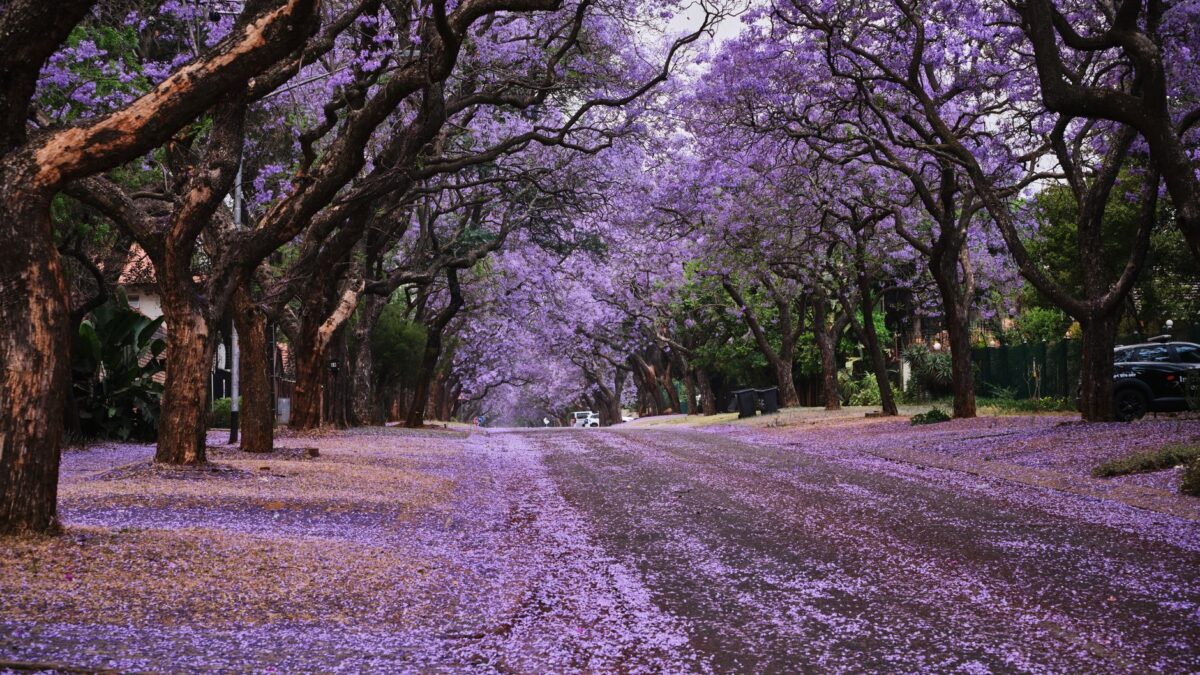
The Highveld air is crisp at 8°C when you step off the plane at OR Tambo, and by the time you’ve cleared customs, the sun has pushed it to a manageable 22°C. Late August in Pretoria is the tail-end of winter—jacarandas still bare, mornings sharp and clear, afternoons golden. You’re here for a longer stay, not a holiday, so let’s get you sorted: entry, banking, SIM, and the bureaucratic essentials that turn a visitor into a resident.
Entry & Residence: The 90-Day Window
If you hold a US, UK, Canadian, Australian, NZ, or most EU passports, you can breeze in visa-free for up to 90 days. Your passport needs to be valid for at least 30 days after your departure date and have two blank pages—check now, because nothing stops a move faster than a full passport. Since July 2026, all travellers must also file an online customs declaration through the SARS portal before landing; it’s a quick form, but don’t skip it.
Planning to stay longer? You need a visa applied for before you travel, either through VFS Global or your nearest South African embassy. Work, study, or business visas are the common routes. On arrival, extensions and residence permits go through the Department of Home Affairs (DHA)—a bureaucratic rite of passage. If your employer is sponsoring you, they’ll need to register with the CIPC and get a SARS tax number on your behalf. Start this process early; the queues are real.
One more thing: if you’re coming from a yellow-fever risk country, bring your certificate. And if you have kids, pack their unabridged birth certificates—South African officials ask for them at the border.
Banking: Getting Your Rand in Order
You can’t do much without a local bank account, but you can open one on a tourist visa—just be prepared for a non-resident account. The Big Four are Absa, FNB, Standard Bank, and Nedbank, with low-fee Capitec as a popular alternative. For expats, Standard Bank and FNB are the usual recommendations, mainly for their digital platforms and expat-friendly services.
You’ll need your passport, your visa or permit, proof of address (a utility bill or lease agreement works), and often three months of bank statements from your home country—all under FICA, the Financial Intelligence Centre Act. It sounds heavy, but it’s a one-time thing. Walk into a branch like Standard Bank Pretoria Central or Capitec at Quagga Centre, and you’ll be out in under an hour if your paperwork is in order.
Money-wise, the rand is around 18.3 to the US dollar, so your budget stretches further than you might expect. A modest one-bedroom flat runs about R7,500 a month (roughly $410), and a meal at a local restaurant costs around R150 ($8). A cappuccino sets you back R38, and a local draft beer R40. You’ll feel the exchange-rate pinch on imported goods, but everyday living is still affordable.
SIM Cards & Staying Connected
Getting a local SIM is straightforward, but there’s a catch: RICA. The Regulation of Interception of Communications Act means every SIM must be registered in your name. Bring your passport—and often proof of address—to a Vodacom, MTN, Telkom, or Cell C store at the airport, a mall, or any corner shop. You’ll walk out with a prepaid SIM, and within minutes you’ll have data.
Which network? Vodacom and MTN have the best coverage in Gauteng, while Telkom is competitive on price. Cell C is worth a look if you’re budget-conscious. For connectivity around town, the Gautrain runs from Hatfield through Pretoria Station, Centurion, Sandton, and Johannesburg, all the way to OR Tambo. You’ll need a Gautrain Gold Card—a contactless card that also works on the feeder buses. For city buses, Tshwane’s A Re Yeng BRT is your ride.
Settling into Pretoria’s Neighbourhoods
Where you live matters. The secured suburbs of Brooklyn, Waterkloof, Lynnwood, and Menlo Park are the go-to for expats and locals alike. Brooklyn is your jacaranda-lined walkable hub, with Brooklyn Mall acting as the unofficial town square, and the University of Pretoria just next door. Waterkloof is the embassy belt—think hilltop homes and 100-plus diplomatic properties, with Groenkloof Nature Reserve on your doorstep for a zebra-spotting hike.
Hatfield is student-central, anchored by Tukkies and a Gautrain station, with bars and restaurants buzzing. Muckleneuk offers historic hillside homes and city views, while Menlyn is the business/lifestyle node built around Menlyn Park Shopping Centre. Rents vary: city-centre flats average R7,600, while outside the centre you’ll find R6,700. Add in the security factor—most people live in gated complexes with armed response—and you’ll get why a good estate agent is worth their fee.
Daily Life: Costs, Festivals & the Load-Shedding Reality
You’ll quickly learn the local classics. A kota—a quarter-loaf stuffed with chips, egg, polony, and cheese—costs R40–R60. A boerewors roll from a farm stall is R55–R70. And when you need comfort food, a bunny chow (hollowed bread filled with curry) will set you back R80–R100. For a nicer night out, a three-course meal for two at a mid-range spot like SMOKE Pretoria or Wood & Fire runs about R600, no drinks.
Late August is festival season. The Gabbata Winter Festival kicks off just outside Pretoria, featuring live Afrikaans music from Refentse and Ruan Jordaan, food stalls, craft beer, and the Springboks vs All Blacks rugby on big screens. At the SA State Theatre on Pretorius Street, the Tshwane Youth Arts Festival wraps up with hundreds of school groups performing. Over at the University of Pretoria’s Theology Faculty, the Feast of the Clowns explores justice and social change. And if you’re green-thumbed, the Plantland Tree Festival at The Wilds on Atterbury and Olympus Drive is your weekend.
But let’s be honest: load-shedding is still a fact of life. The city is recovering from a burst pipeline in Equestria and Die Wilgers, and businesses are used to adapting. When you’re house-hunting, ask about solar and inverter backup—it’s now standard on most property checklists. And security-wise, keep your wits about you in central Pretoria and Sunnyside; the suburbs are safer, but savvy residents always lock their gates.
Getting Out: Nature & Landmarks
When you need a break from admin, Pretoria doesn’t disappoint. The Voortrekker Monument on its granite hilltop offers views over the city and a deep dive into Afrikaans history. Freedom Park on Salvokop is a moving tribute to the struggle, with its Wall of Names. For a simpler pleasure, stroll the 85 hectares of the Pretoria National Botanical Garden in Brummeria, or spot rhino and antelope at Rietvlei Nature Reserve on the city’s edge.
For a weekend away from the city, the nearby bushveld is calling—think game drives and sundowners. And when October comes, the jacarandas will burst into purple, and you’ll understand why this city is so loved. Until then, layer up, embrace the festivals, and remember: your first week is about getting the basics sorted—bank, SIM, and a shortcut to the nearest good coffee. That’s Grounded at Echo or Sorcery Coffee Roasters, by the way.
Frequently asked questions
Can I open a South African bank account on a tourist visa?
Yes, but you'll likely get a non-resident account. Bring your passport, visa, proof of address, and three months of bank statements. FNB and Standard Bank are expat-friendly.
What documents do I need to register a SIM card in South Africa?
Under RICA, you'll need your passport and often proof of address. Buy a prepaid SIM from Vodacom, MTN, Telkom, or Cell C at any airport, mall, or shop.
How long can I stay in South Africa without a visa?
US, UK, Canadian, Australian, NZ, and most EU citizens get 90 days visa-free. Your passport must be valid 30 days after departure and have two blank pages.
What is the cost of living in Pretoria for an expat?
A one-bedroom flat averages R7,500/month, a local meal costs about R150, and a cappuccino R38. The rand is around 18.3 to the US dollar.
Is load-shedding still a problem in Pretoria?
Yes, rolling power cuts occur. Most residents and landlords now factor in solar/inverter backup. Always ask about backup power when renting or buying.
Things to do in South Africa
 India Venster: sensational half-day route up Table Mountain
 Cape Peninsula & Penguins Private Day Tour, Entrances Included.
 Table Mountain Private Hike Tour of Kasteelpoort Route from Cape Town
 Private Full Day Safari (10 hours) in Kruger National Park
 Open Vehical Safari in Kruger National Park Half Day
 HIKE Cape Town-South Africa With a Private Guide