

Moving to Taiwan: visas, banking and SIM cards
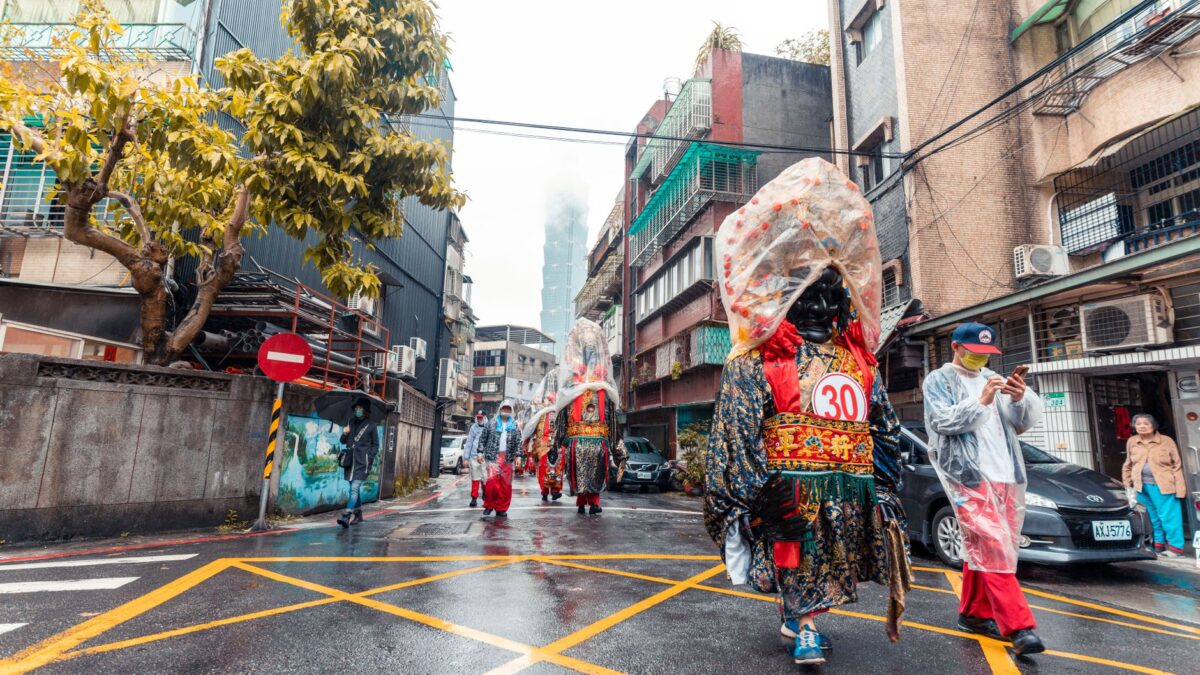
The northeasterly wind has finally swept through the basin, carrying away the sticky humidity of summer. It is early November in Taipei, and the city feels different—cooler, grayer, and infinitely more inviting. The air hangs at a crisp 22°C, though with the heavy drizzle that seems to define this season, it might feel closer to 31°C if you are caught in the mist. This is not the time for beach lounging; it is the season for hot pot, ginger duck, and autumn crab. As you step off the plane at Taoyuan Airport, escaping the crowds of the ITF Travel Fair filling Nangang Exhibition Hall, your first task isn’t finding the best beef noodle soup (though you will want one soon). It is setting up the digital and financial infrastructure that turns a tourist into a resident.
Entry Basics and Visa Realities
If you are from the US, UK, EU, Japan, Canada, or Australia, you likely landed visa-free for 90 days. Your passport must be valid for at least six months beyond your entry date, and immigration officers may ask for proof of an onward ticket. Since October 1, 2025, the paper arrival card is gone. You must fill out the Taiwan Arrival Card (TWAC) online at twac.immigration.gov.tw within three days before your flight. Have the QR code ready on your phone; it saves hours at the counter.
For longer stays, the paperwork shifts. If you plan to work or study long-term, you cannot stay on a tourist visa indefinitely. You need an Alien Resident Certificate (ARC), applied for within 30 days of arrival through the National Immigration Agency (NIA). This process involves a health exam and, depending on your category, a police record from your home country. Processing times vary, so start immediately upon landing.
Tech and finance professionals often qualify for the Employment Gold Card. This single card bundles a work permit, resident visa, ARC, and re-entry permit, valid for one to three years. A major perk is that you do not need a job offer in advance to apply. Review takes about 30 working days, but allow roughly 60 for bureaucratic realities. Once approved, you become part of the magnet pulling global talent toward Xinyi’s corporate hubs.
Opening a Bank Account
In Taiwan, cash is still king in night markets, but digital banking is seamless for residents. Opening a local account is essential for paying rent, utilities, and receiving salary. However, banks are strict with foreigners. You generally cannot open an account with just a passport and tourist visa. You need your passport, your ARC, and specifically the ‘UI number’ printed on the back of your ARC card.
Popular choices include Cathay United Bank, Mega International Commercial Bank, CTBC (Chinatrust), E.SUN Bank, Fubon, and Taishin. I recommend walking into a branch rather than applying online initially, as some require in-person processing. Bring your passbook if you have one, though many banks now offer digital-only options for expats. Expect to visit multiple branches if the first one lacks English-speaking staff or specific forms for non-residents. Having your ARC in hand makes this significantly easier; without it, you may find yourself stuck using international transfer services for every transaction.
SIM Cards and Connectivity
Before you even leave the airport arrivals hall, you should secure a local SIM. Relying on hotel Wi-Fi is impractical for navigation, translation apps, and booking MRT tickets. The three major carriers are Chunghwa Telecom, Taiwan Mobile, and FarEasTone. Chunghwa is the largest operator and generally offers the most reliable coverage, especially if you plan to hike Yangmingshan National Park later.
You can buy prepaid tourist SIMs at counters in Taoyuan Airport or at city branches of these carriers. Bring your passport; it is mandatory for registration. Many packages offer unlimited data for a fixed monthly fee, which is far more cost-effective than roaming. Keep your old SIM safe, as you may need it for two-factor authentication on overseas accounts while abroad. For daily transit, you will also want to load an EasyCard (悠遊卡) onto your phone or buy a physical one. This stored-value card works on the MRT, buses, YouBike rentals, and even at convenience stores like 7-Eleven and FamilyMart.
First-Week Logistics: Transit and Safety
Taipei’s public transport system is world-class. The MRT runs until roughly midnight, connecting the city efficiently. A single ride typically costs between NT$20 and NT$65, with a short inner-city trip averaging around NT$25 (about $1.3 USD). If you are exploring heavily in your first week, consider the Taipei Pass, a one-day unlimited metro and bus pass for about NT$180 ($6 USD).
A crucial rule for newcomers: eating or drinking on the MRT is banned and fined. Yes, this includes water. Wait until you exit the station. The system is clean, safe, and punctual. The Taoyuan Airport MRT links the airport to Taipei Main Station in about 35 minutes, providing a smooth transition into the city center.
Safety is rarely a concern. Taipei consistently ranks as one of the safest cities globally. Violent crime is low, and it is normal to walk alone at night. However, urban awareness is still required. In less-trafficked lanes of Wanhua, particularly near the older parts of Bopiliao Historic Block, stick to well-lit main streets. The usual precautions against pickpocketing in crowded areas like Ximending or Raohe Street Night Market apply, but serious incidents are rare.
Navigating Costs and Neighborhoods
Your budget will largely depend on where you choose to live. Rent is the primary pressure point. While a modest one-bedroom flat outside prime districts might cost around NT$15,000–20,000 ($550 USD), prices in central areas are steep. In Xinyi, rents for similar units can reach NT$29,000–31,000. New-build small units often start at NT$30,000 monthly. The trend shows rents rising faster than wages, so budget carefully.
Food, however, remains affordable. A bowl of beef noodle soup at a local shop runs NT$150–200 ($5 USD), with famous queue spots charging up to NT$280. Street snacks like stinky tofu or braised pork rice are bargain meals at NT$50–80. For transit, the MRT is cheap, but taxis start around NT$85 base fare. To save money, use the MRT and walk. Explore Da’an for its leafy streets and Yongkang Street, or Zhongshan for its trendy cafes and nightlife. Avoid the trap of eating only in Xinyi’s luxury malls; the real culinary soul is in Datong’s Dihua Street or Wanhua’s Huaxi Street.
As you settle in, you’ll notice the city shifting gears. The construction fencing at Jixian Road hints at the ongoing Circular Line expansion, and the air fills with the scent of roasted nuts and tea. Whether you are attending the Meet Taipei Startup Festival at Yuanshan Expo Dome or simply enjoying a cup of coffee at RUFOUS COFFEE in Da’an, take time to observe. Taipei is not just a transit hub; it is a place where modern efficiency meets deep historical roots. Set up your ARC, get your SIM, and prepare for the drizzle—it is the perfect backdrop for your new life here.
Frequently asked questions
Do I need a visa to enter Taiwan for tourism?
Most Western nationals (US, UK, EU, etc.) can enter visa-free for 90 days with a passport valid for six months. You must complete the online Taiwan Arrival Card (TWAC) within three days before arrival.
Can I open a bank account in Taiwan with just a passport?
Generally, no. You typically need your passport, an Alien Resident Certificate (ARC), and the UI number found on the ARC. Some banks may require an in-person visit and proof of residence.
What is the best way to pay for public transport in Taipei?
Use an EasyCard (悠遊卡). It works on the MRT, buses, YouBike, and convenience stores. You can buy one at the airport or any 7-Eleven and load it with cash.
How much does a typical meal cost in Taipei?
Street snacks like oyster omelette cost around NT$50–80. A bowl of beef noodle soup ranges from NT$150 to NT$200 at local shops, with famous spots charging up to NT$280.
Is it safe to walk alone in Taipei at night?
Yes, Taipei is consistently rated extremely safe with low violent crime. Standard urban awareness is advised, especially in less-trafficked areas like older lanes in Wanhua.
Things to do in Taiwan
 Best E-bike Cycling Tour in Taipei - Includes Local Food & Drinks
 Private Day Trip to Jiufen, Shifen and Yehliu Park
 Taipei Tastes Food Tour with 12+ Tastings
 Likely to sell out
Street Food Cooking Class in Taipei : Gua Bao/Lu Rou Fan/Boba Tea
 Xiao Long Bao, Pork thick soup, Bubble milk tea. Taiwan Traditional Light Meals Experience-B (Taipei Cooking Class)
 Formosa Flavours Taipei Food Tour with 12+ Tastings