
Moving to Tunisia: visas, banking and SIM cards
The first time I stepped out of Tunis-Carthage airport, the heat hit me like a warm hand on the shoulder—25 to 36°C even in the shade, the sky a bleached white-blue that promised a long, slow afternoon. You’re here for more than a holiday, though, so let’s skip the postcards and get you settled. The first week in Tunis is a ritual: papers, dinars, and a SIM card that actually works. Here’s how to do it without losing your mind—or your passport.
Entry and residence: from tourist to resident
If you hold a US, Canadian, UK, EU, or one of 90+ passports, you can walk in visa-free for up to 90 days—sometimes up to four months, so check your specific country. Your passport must be valid for at least six months beyond your arrival. There’s no official e-visa yet; if you need one, you’ll have to visit a Tunisian consulate before coming, which will set you back around 80–180 TND (roughly $90–180).
Planning to stay longer than three consecutive months? Then you’ll need a carte de séjour. It sounds bureaucratic, and it is, but it’s straightforward. Head to your local police commissariat with your passport, a few passport photos, a rental contract, and a bank account attestation. If you’re working in Tunisia, your contract must first be approved by the Ministry of Employment—they’ll ‘visé’ it in a special stamp that makes everything else move faster. The temporary card is valid up to one year; the ordinary one lasts two. Bring patience and a photocopier—you’ll need both.
Banking: getting your money into dinars
You can’t live off a travel card for a long stay. Tunisian banks are the gatekeepers of your daily life—rent, utilities, and even some pharmacy purchases lean heavily on cash or local cards. Good news: foreigners can open an account at the main banks—BIAT, ATB, Amen Bank, BH (Banque de l’Habitat), BNA, STB, UBCI, and Attijari—with just a passport and proof of address. A rental contract in your name works fine.
Ask for an attestation d’ouverture de compte when you open the account—you’ll need it for your resident card. I’d walk into a branch of BIAT or BH (both have HQ in Tunis, and ATMs everywhere) with a smile and your passport. Expect some waiting, some mint tea offered, and a genuine welcome. The Tunisian dinar (TND) is currently around 3.1 per US dollar. Inflation is at about 5.2%, so prices creep up, but daily life is still remarkably cheap—a local meal at a resto populaire costs between 8 and 15 TND (roughly $4), and a coffee in a café runs about 1–2 TND (50 cents). You won’t be splashing out on every meal, but you also won’t be counting dirhams.
Getting your SIM and staying connected
Three operators rule Tunisia: Ooredoo, Orange Tunisie, and Tunisie Telecom. You’ll find their shops downtown and at the airport arrivals hall. Walk in with your passport—foreigners register in-shop—and pick a prepaid SIM. It’s a 10-minute affair. Data packages are cheap, and coverage in Tunis is solid, even in the medina’s tighter alleys.
I recommend grabbing a SIM at the airport so you’re reachable immediately. Heavier users tend to prefer Ooredoo or Orange for data, but Tunisie Telecom has broader coverage if you plan to escape the city. All three work fine for everyday use; just be prepared for occasional 4G drops in the labyrinth of the old town.
Finding your footing: neighborhoods worth your first week
Where you live defines your Tunis. For expats, the options are pretty clear. Les Berges du Lac (Lac 1 & 2) is the modern lakeside ‘expat downtown’—embassies, multinational HQs, and the Tunisia Mall. It has the highest rents in the city, so it’s more for the corporate crowd. La Marsa is the upscale seaside suburb, a top expat choice with cafés, a corniche, and the weekly market. The TGM light rail connects it to the city center—a picturesque ride along the Gulf. Sidi Bou Said, the blue-and-white clifftop village, is stunning (Café des Délices is an icon), but it can feel like a postcard with tourists. Carthage is quieter, affluent, built among ancient ruins—lovely but a bit sleepy. El Menzah / Ennasr are planned family suburbs, considered among the safest, with schools and green spaces.
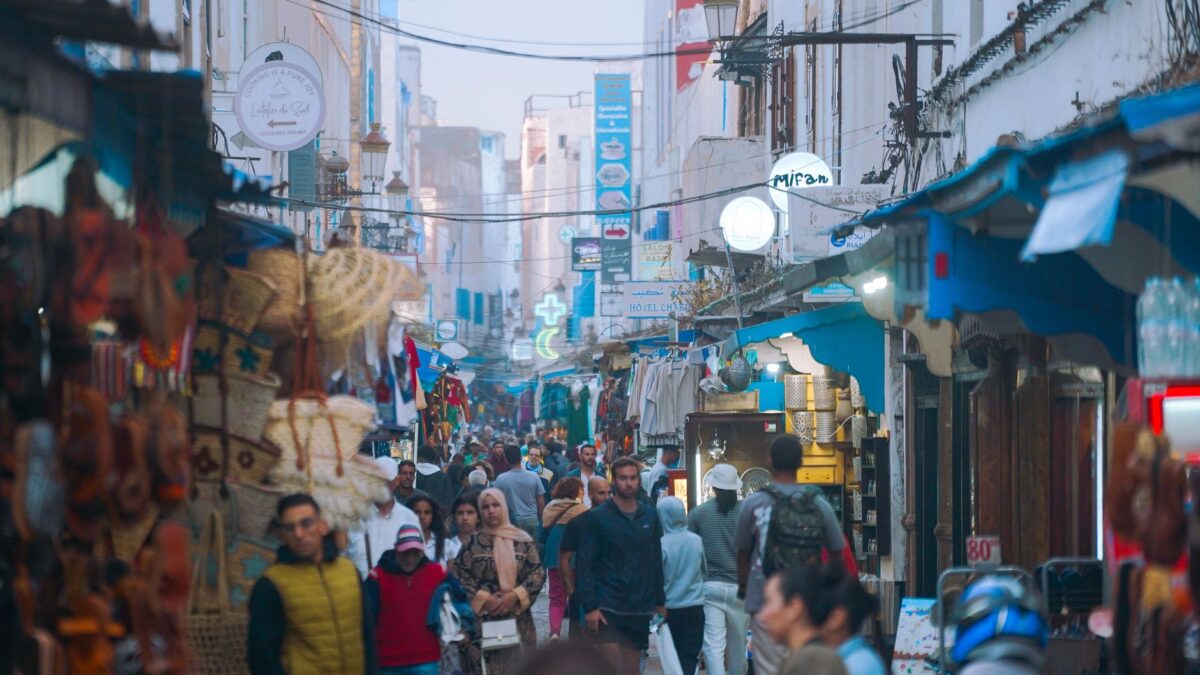
I live in the Médina—noisy, crowded, atmospheric—where 700+ classified monuments and the Zitouna Mosque anchor a whirl of souks selling red felt chechias (a dying craft) and perfume in the 13th-century Souk El Attarine. If you crave silence, avoid it. If you want to wake up 400 years away from your deadlines, it’s magic.
As for housing budgets: a modest one-bedroom flat in the city centre goes for about 800–1,200 TND per month (≈ $320). Rent has crept up, but it’s still far below European capitals. For a night in a mid-range hotel (think Ibis/Novotel), you’d drop 295–445 TND (≈ $120), but you’re not staying forever.
First week survival: transport, food, and local rules
Public transport is run by TRANSTU—the TGM light rail (Tunis–La Goulette–Carthage–Sidi Bou Said–La Marsa) and the Métro léger. Buy single tickets at station kiosks with cash; there’s no single branded reloadable card I can confirm by name, so keep coins. Taxis are metered and cash-only—about 1–2 TND for a short hop. For intercity hops, louages (shared minibuses) are cheap but chaotic. And around the medina, watch your pockets; pickpocketing happens, but it’s not violent. Daytime is safe in residential areas like El Menzah or La Marsa, but avoid rural border zones after dark.
Food will be your daily joy. For under 10 TND (≈ $3), you can eat at the Marché Central street-food area. Grab a brik (crispy fried pastry with egg/tuna/cheese) from a stall for 1–3 TND, a lablabi (garlicky chickpea broth) for 3–5 TND, or a fricassé (a fried roll stuffed with tuna and harissa) for 4–6 TND. A full ojja (tomato-egg stew with merguez) at a casual place runs 12–14 TND. For a treat, DaPietro – L’Antica Pizzeria in La Marsa is a favorite, or Falfoul Menzeh 5 for something local. Mid-range restaurants with a drink cost 30–60 TND (≈ $14).
If you have energy left, hit the Bardo National Museum—the world’s largest collection of Roman mosaics, housed in a 15th-century palace. It’s closed Mondays, so plan accordingly. The Carthage archaeological site (Antonine Baths, Byrsa Hill, Punic Ports) has a combined ticket. And for a breather, Parc du Belvédère and the Tunis Zoo are right in the city.
Living with the grain
Tunisia is more than paperwork and dinars. It’s the birthplace of the Arab Spring, and the political mood under President Kais Saied is strained by inflation and a cost-of-living crisis; you’ll hear it in café talk. But the city still hums with life—a small startup scene at The Dot and Westerwelle Startup Haus, a film festival every two years (Carthage Film Festival), and the Ichkeul National Park just an hour away for migratory birds. You’ll find that once you’ve sorted your SIM and your bank card, Tunis starts to feel less like a stopover and more like home. Give it a week; the rhythm gets you.
Frequently asked questions
Do US citizens need a visa for Tunisia?
No, US citizens can enter Tunisia visa-free for up to 90 days. For longer stays, you'll need to apply for a carte de séjour at the local police commissariat.
Can a foreigner open a bank account in Tunisia?
Yes, with a passport and proof of address (rental contract). You can open an account at major banks like BIAT, ATB, Amen Bank, or BH. Ask for an attestation d'ouverture de compte for your residence permit.
How much does a SIM card cost in Tunisia?
Prepaid SIMs from Ooredoo, Orange Tunisie, or Tunisie Telecom are cheap—usually under 10 TND for the SIM plus a data package. You'll need your passport to register in the shop.
What is the cost of living in Tunis for a single person?
A modest one-bedroom apartment in the city center rents for about 800–1,200 TND per month. Daily meals at local eateries cost 8–15 TND, so a budget of around 1500–2000 TND per month (excluding rent) is realistic.
Is it safe to live in Tunis?
Residential and tourist areas are generally safe by day, but pickpocketing can happen in crowded medinas. Avoid rural border/security zones after dark and carry cash for taxis.
Things to do in Tunisia
 VIP transfer between Tunis Carthage Airport and a hotel in Tunis
 07 -Guided day Tour Tunisia Monumental
 2D/1N Private Adventure – Explore Southern Tunisia, Douz & Tozeur
 Horseback riding with private transfer
 Dromedary Expedition with Night in Camp and Sandboard
 Excursion VIP Tunis Medina, Bardo Carthage & Sidi BouSaid