

Moving to United Kingdom: visas, banking and SIM cards
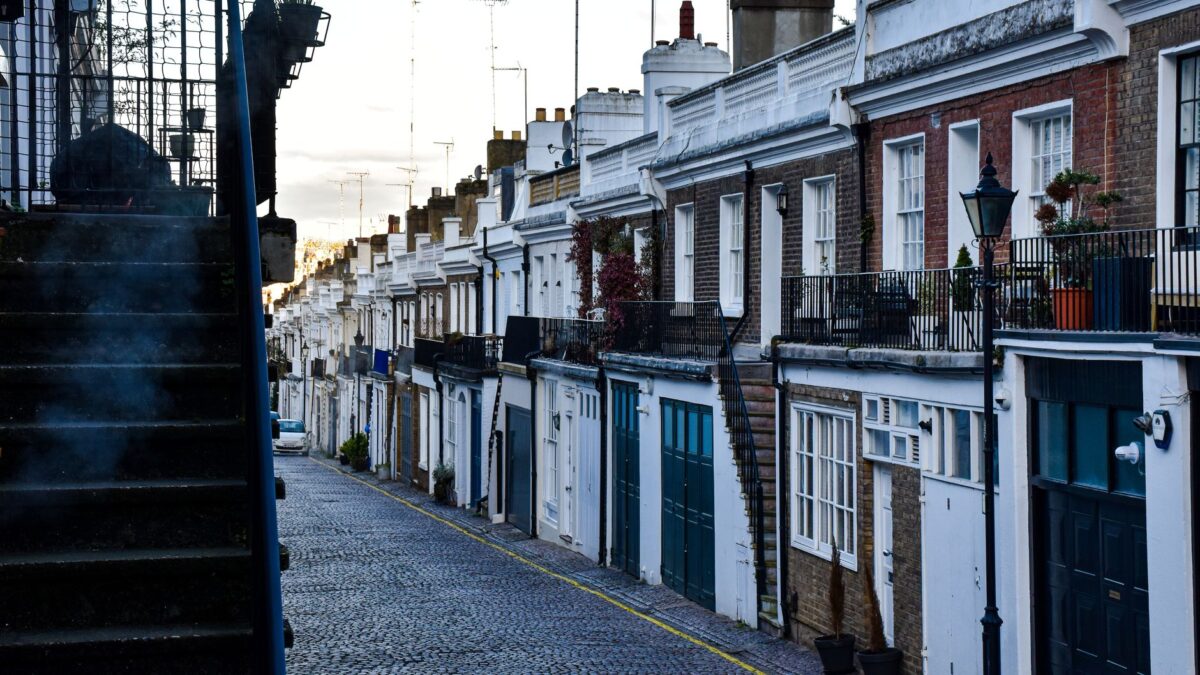
The hinge between late summer and autumn hits London in early September with a specific kind of golden light. The air turns crisp, children are back at school, and the orchards in local parks begin to yield early apples and blackberries. But while you’re busy soaking up that first chill or planning to kayak along the Totally Thames festival routes, there is the unglamorous but vital work of settling in. Moving to the United Kingdom isn’t just about finding a flat in Shoreditch or watching a show in Soho; it’s about navigating the bureaucratic maze of visas, banking, and connectivity before you even unpack your bags.
Entry Rules and Digital Status
If you are arriving from one of the roughly 85 visa-free countries—including the US, EU members, and Australia—the rules changed recently enough that many people still get caught out. Since 25 February 2026, you no longer just walk through Heathrow or Gatwick. You now need a UK Electronic Travel Authorisation (ETA). This costs around £20 and is applied for via the official UK ETA app. It is digitally linked to your passport, valid for two years, and allows stays of up to six months. Crucially, airlines will refuse you boarding if you do not have this approved before you land. British and Irish citizens are exempt, but if you are travelling from elsewhere, check this status immediately.
Once you arrive, your status depends on your visa type. If you hold a long-term visa, you may be issued a Biometric Residence Permit (BRP), which you collect from a designated post office within ten days of arrival. However, most new arrivals now find their status is entirely digital, held in a UKVI account as an eVisa. You will use a ‘share code’ from this account to prove your right-to-work to employers. Keep these details handy; they are the foundation of your legal standing here.
Banking: The First Hurdle
In the UK, opening a bank account can feel like a paradox: you often need a UK address to open an account, but you need an account to sign a lease. For the first week, this is your biggest logistical challenge. High-street giants like Barclays, HSBC, Lloyds, and NatWest traditionally require proof of a UK address, such as a tenancy agreement, and sometimes wait several weeks to process applications. They do offer ‘new to UK’ accounts, but the paperwork can be daunting.
As a local, I recommend bypassing the traditional high streets initially. Digital banks such as Monzo, Starling, and Wise allow you to open a full UK current account in minutes using just your passport. No proof of address is needed upfront, meaning you can start spending on day one. These accounts are FSCS-protected up to £85,000, making them just as safe as any major bank. Once you have signed a lease and received your council tax bill, you can then apply for a traditional high-street account if you prefer the physical branch experience.
Connectivity and Transit Basics
You will need a local SIM card to navigate the city and verify digital identities. Avoid expensive tourist packages at the airport arrivals hall. Instead, head to a supermarket or convenience store for a pay-as-you-go SIM from providers like giffgaff (which uses the O2 network), Lebara (Vodafone), or SMARTY (Three). These operators offer no-credit-check options and activate with just a passport scan. If you want to be prepared before landing, you can purchase an eSIM directly online; EE offers the widest coverage across the UK if you travel outside London frequently.
Transport is equally straightforward once you understand the system. London’s public transport network, managed by Transport for London (TfL), runs on a simple contactless principle. You do not need to buy paper tickets. Simply tap any contactless bank card, phone wallet, or blue Oyster card on the yellow reader at bus stops and Tube stations. Fares are capped daily, meaning you never pay more than a set limit regardless of how many journeys you take. A single bus fare is fixed at £1.75 under the ‘Hopper’ fare, allowing unlimited bus transfers within one hour. For the Tube, peak fares in Zone 1 cost around £2.90 with contactless.
Download Citymapper immediately. It is the app locals use to route around the city, accounting for real-time delays, strikes, and the occasional unexpected closure. Speaking of closures, be aware that major lines like the Central line may stop at key stations like Marble Arch during weekend engineering works, so always check your route before heading out.
Health, Taxes, and Daily Life
Your healthcare journey begins with registering with a General Practitioner (GP). Visit nhs.uk to find a ‘find-a-GP’ service near your home. Registration is free and essential; once registered, you have access to the National Health Service. You will also need a National Insurance number for work and tax purposes. Apply for this online at GOV.UK as soon as possible. If you haven’t received your BRP yet, your digital share code can sometimes assist, but the application process can take a few weeks.
Council tax is mandatory for residents living in properties above a certain valuation band. Register with your local borough council to determine your liability. In London, rents are steep—expect to pay around £2,000 to £2,300 per month for a modest one-bedroom flat, with the citywide average hovering near £2,252. While costs are high, daily essentials remain relatively stable. A pint of lager in central London averages £6.50 to £7.30, and a loaf of bread is roughly £1.50. Public transport remains affordable compared to other global capitals, especially with the daily fare caps.
Safety-wise, London is broadly safe, but petty crime like pickpocketing and phone-snatching is prevalent in crowded hubs like Leicester Square and Oxford Circus. Keep your phone secure in your pocket, especially on the Tube during rush hour. Beyond the crowds, the city offers immense culture. Enjoy free entry to world-class institutions like the British Museum, the Natural History Museum, and Tate Modern. If you visit the Tower of London, budget around £33 for an adult ticket to see the Crown Jewels.
Settling in takes time, but getting these basics right in your first week removes the friction from your new life. From the tech buzz of Shoreditch to the historic calm of Greenwich, London rewards those who prepare well. Embrace the chaos, use the contactless tap, and enjoy the view from the South Bank.
Frequently asked questions
Do I need a visa to enter the UK for short stays?
Visitors from ~85 visa-free countries (including the US and EU) must obtain a UK Electronic Travel Authorisation (ETA) costing around £20 before travel. This is digitally linked to your passport and required for boarding.
How can I open a UK bank account quickly upon arrival?
Digital banks like Monzo, Starling, and Wise allow you to open a full current account in minutes using only your passport, without needing proof of a UK address. Traditional high-street banks usually require a tenancy agreement.
What is the best way to pay for public transport in London?
Use a contactless bank card, mobile wallet, or Oyster card on TfL readers. Pay-as-you-go fares are capped daily, and buses offer a 'Hopper' fare allowing unlimited transfers within one hour for £1.75.
How do I register for healthcare in the UK?
Visit nhs.uk to find a local GP practice near your residence. Registration is free and provides access to the National Health Service. You should also apply for a National Insurance number online at GOV.UK for work and tax purposes.
Where can I buy a cheap local SIM card in London?
Buy a pay-as-you-go SIM from supermarkets or stores from providers like giffgaff, Lebara, or SMARTY. These require no credit check and activate with a passport. eSIMs can also be purchased online before landing.
Things to do in United Kingdom
 Likely to sell out
Coasteering Geopark Adventure In Torquay
Likely to sell out
Coasteering Geopark Adventure In Torquay
 The Great British Pub Walking Tour: London
 Luxury Private Tour of The Highlands Loch Ness from Edinburgh
 Likely to sell out
Private Tour to Stonehenge, Bath and The Cotswolds
Likely to sell out
Private Tour to Stonehenge, Bath and The Cotswolds
 British Museum & National Gallery of London Semi-Private 8ppl Max
 Distill a bottle of Gin on mini copper stills