

Moving to Uzbekistan: visas, banking and SIM cards
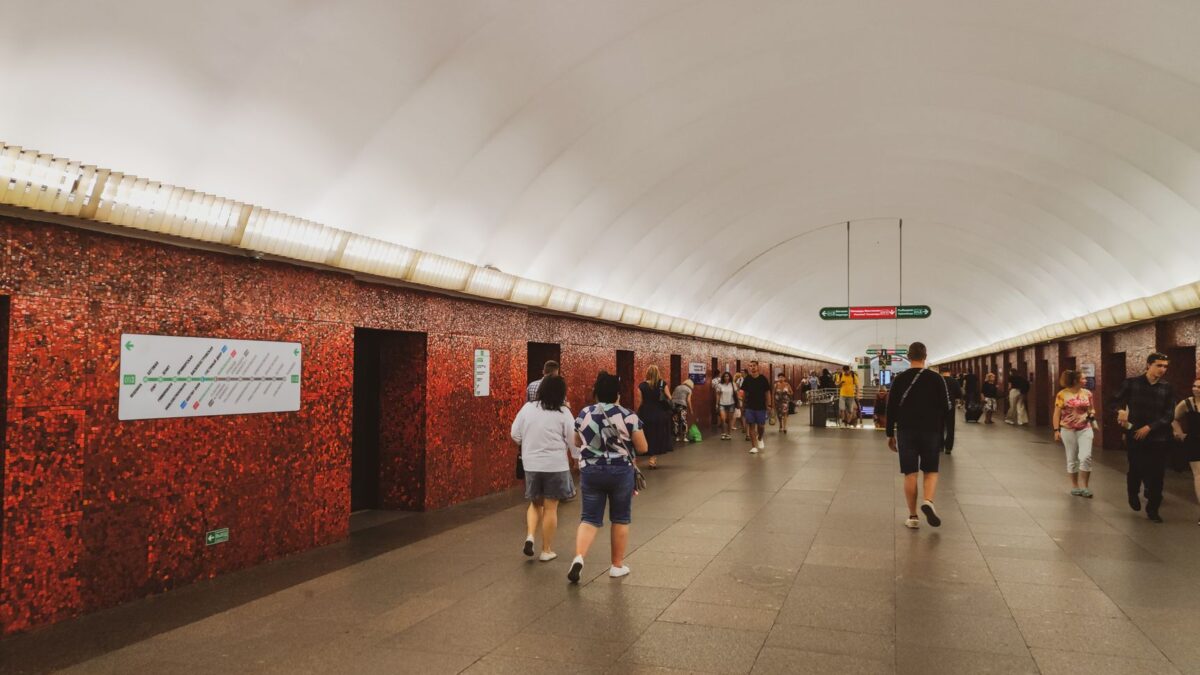
The air in Tashkent in late August is a physical presence. It wraps around you the moment you step out of the airport, thick and shimmering, carrying the scent of ripening melons from the nearest bazaar. But step into the shade of a mulberry tree near Chorsu Bazaar, or onto the famously immaculate Metro, and the city reveals its rhythm — unhurried, welcoming, and deeply practical. If you’re planning a longer stay in Uzbekistan, the first week is all about the essentials: your place in the system, your access to money, and a phone that works. Let’s get you set up.
Entry and residence: from visa to notification
First, the good news: Uzbekistan has opened up dramatically. Citizens of 94 countries now enter visa-free — Americans got 30 days of visa-free entry starting January 1, 2026, and many others (including Russians and Kazakhs) get up to 90 days. If your passport doesn’t qualify, you don’t need to visit an embassy — apply online at e-visa.gov.uz. A single-entry e-visa costs about $20 (roughly 253,000 UZS at current rates), takes about three working days, and gives you the same 30-day window. Just ensure your passport is valid for at least three to six months beyond your stay.
Once you’re here, the old propiska system is gone. As of October 12, 2025, registration is notification-based. You must register within three working days of entry. If you’re staying in a hotel, they’ll do it automatically via the E-mehmon system — no action needed. If you’re renting, your landlord or you (via the my.gov.uz portal or a public service centre) must file the notice. It’s straightforward, but don’t skip it — fines and bureaucracy are best avoided. You’ll also need this for banking.
Banking: your money in soum
Uzbekistan is a cash-and-card country in a fascinating balance. Everywhere from high-end restaurants in Mirobod to the tiniest tandyr bread stall accepts the national card networks, Humo and Uzcard. Visa and Mastercard are accepted at ATMs and larger hotels, but for bazaars, taxis, and the metro, you need the local systems.
To open an account, take your passport and your registration notice (or hotel confirmation) to a bank branch. The state-owned National Bank of Uzbekistan and Kapitalbank (their head office is on the main drag) are both reliable choices. You’ll also get a tax ID (INN) right there. Expect to spend an hour or two signing forms in Uzbek or Russian — bring a patient smile. Once your account is open, use your Humo or Uzcard card for everything. And keep some physical soum on you: a bowl of plov at Besh Qozon Pilaf Center costs around 25,000–40,000 UZS (about $2.6), and at Chorsu Bazaar, cash is king. A metro fare is just 2,000 UZS (roughly $0.2), and your transit card, the Tashkent Card, can be loaded at any station.
One tip: rents are often quoted in US dollars, so when you’re looking at apartments — expect a modest one-bedroom in the city to run about 4,000,000–6,000,000 UZS/month ($334–$400) — clarify whether the price is in soum or dollars. The exchange rate hovers around 12,650 UZS to the dollar, but it moves, so always use a converter app.
SIM cards and staying connected
Uzbekistan has four mobile operators: Ucell, Beeline, UzMobile, and MobiUZ. You can buy a tourist SIM right at the airport or at any of their city shops — bring your passport, and you’ll have a local number in minutes. There is one quirk: if your phone is imported, you’ll need to register its IMEI with the operator before it will connect to the local network. It’s a simple process they can do in-store, so just ask.
A data-heavy SIM for a month will cost a fraction of what you’re used to — a few dollars, maybe 50,000–100,000 UZS depending on the package. But the real value is the Yandex Go and InDrive apps, which let you order taxis at proper prices. A short ride across the centre costs about 10,000–20,000 UZS (roughly $1.2), while flagging a street cab could run you triple that. The apps are ubiquitous — you’ll see drivers with two phones, one for each app.
Where to live: neighbourhoods that fit you
Tashkent is a city of contrasts — from the blue dome of Chorsu Bazaar to the glass towers of Tashkent City. Your first week will likely include apartment hunting, so here’s your cheat sheet:
- Eski Shahar (Old Town/Chorsu) — The atmospheric, pre-Soviet heart. Mud-walled mahallas, tandyr bakeries, the Khast Imam complex with the world’s oldest Quran manuscript. Cheap rent, but old plumbing and narrow lanes.
- City Center (Amir Timur Square) — The monumental Soviet core: Independence Square, the Navoi Theatre, and every second hotel. Great for a short stay, bustling by day, touristy by night.
- Mirobod — The trendy, wealthy district. Expect modern buildings, five-star hotels like the Hyatt and Hilton, and Europe-style cafes. Rents here are the city’s highest, around $10.8 per square metre.
- Yunusobod — Upscale, residential, and popular with expats. Quiet streets, green parks, the Yunusabad mall, and a slower pace of life.
- Mirzo Ulugbek — The academic district with universities and the lovely Ecopark, perfect for families and anyone wanting a local feel without isolation.
- Shaykhantahur — One of the four historical districts, now hip and pricey ($10.7/sq m), mixing old mahalla charm with new developments.
For your first two weeks, book a mid-range hotel (about 500,000–700,000 UZS per night, $45) in the City Center or Mirobod. Check out Ada Hotel or Gulnara Guesthouse — both are well-regarded, centrally located, and will help you navigate the registration and banking basics.
Everyday life: food, transport, safety
Now that the logistics are sorted, enjoy the city. Late August is the tail end of the chilla, the hottest stretch of the Central Asian summer, when evenings are made for ice cream and cold drinks. The Chilla Salqin Ta’mlar festival just wrapped up at Tashkent City Park, where DJ sets and a tonne of ice art made the heat bearable. Grab a seat at Socials Minor or Union Café — both do a fine cappuccino for about 25,000 UZS ($2).
Eat where the locals eat: a bowl of plov at Besh Qozon Pilaf Center (or the famous BOBOY Shevchenko for a more upscale version) is a rite of passage. A budget meal elsewhere costs 60,000–70,000 UZS ($5); a three-course dinner for two in a mid-range place runs 400,000–450,000 UZS ($35). Bazaars like Chorsu are a feast — fill your bag with grapes from the Uzum Sayli harvest and the first pomegranates of the season.
Tashkent is safe. You can walk at night, and the biggest risks are traffic (look both ways — twice) and scam taxi drivers. Stick to the apps. The Metro is a work of art in itself — each station an underground palace, and since 2018, photography is allowed. Take the time to ride from Kosmonavtlar to Alisher Navoi to Mustaqillik Maydoni; it’s the cheapest museum in the city, at 2,000 UZS a ride.
If the heat gets to you, escape to the Tian Shan: Chimgan mountain and Charvak Reservoir in the Ugam-Chatkal National Park are just an hour away. On weekends, half the city decamps there for hiking, paragliding, and cold swims.
Final word
Uzbekistan is in a golden window — reformed, welcoming, and still affordable. The first week is the only hard part; once you’ve registered, opened your account, and set up your SIM, you’ll find a city that rewards curiosity with warmth. And in the evenings, when the sun drops and the parks fill with families eating ice cream, you’ll feel it: this can be home.
Frequently asked questions
Do US citizens need a visa for Uzbekistan in 2026?
No, US citizens get 30 days of visa-free entry as of January 1, 2026. For longer stays, you can apply for an e-visa online at e-visa.gov.uz.
How do I register my stay in Tashkent as a foreigner?
Hotels auto-register you. If renting, you must file a notification within 3 working days via migration offices, public service centres, or the my.gov.uz portal. The old propiska system was abolished in October 2025.
Can I open a bank account as a foreigner in Uzbekistan?
Yes, bring your passport and proof of local registration to a bank like National Bank of Uzbekistan or Kapitalbank. You'll also receive a tax ID (INN) in the same visit.
What SIM card should I buy in Tashkent?
Ucell, Beeline, UzMobile, and MobiUZ all sell tourist SIMs at the airport. You'll need your passport, and if your phone is imported, register its IMEI with the operator before it works.
How much does a metro ticket cost in Tashkent?
A single ride costs about 2,000 UZS (roughly $0.2), or 1,700 UZS with the Tashkent Card, which you can load at metro stations. Cash is 3,000 UZS.
Things to do in Uzbekistan
 Special offer
Khiva to Bukhara: Transfer with Top 5 Fortresses & Akchakul Lake
Special offer
Khiva to Bukhara: Transfer with Top 5 Fortresses & Akchakul Lake
 Samarkand Private Guided Tour with transport (options avail)
 Samarkand All Inclusive Day Tour from Tashkent
 Special offer
Seven Lakes: Fully Inclusive Door-to-Door Guided Tour
Special offer
Seven Lakes: Fully Inclusive Door-to-Door Guided Tour
 Tashkent: Hands-On Uzbek Culture & Pottery Workshop
 Bukhara: Walking Tour with a Small Group. Complete Guidance