

Namibia in November 2026: what travelers should know now
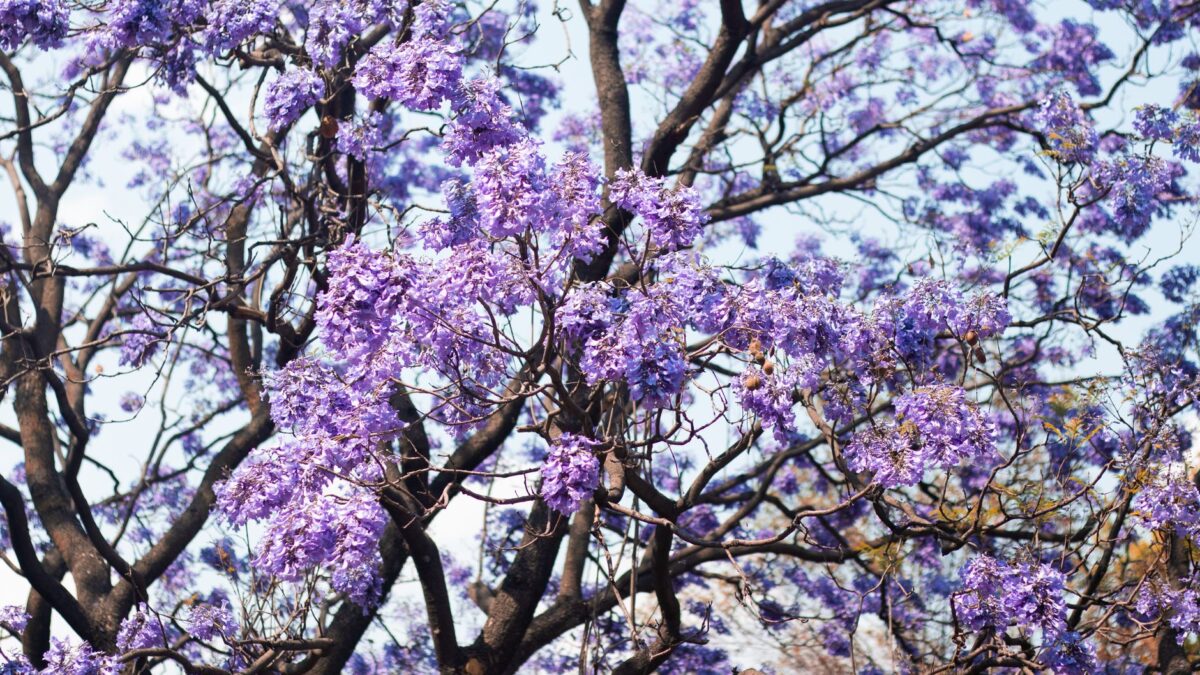
The jacarandas are hitting that specific shade of violet in the Khomas Region that only happens right before the heat truly breaks, and if you’re standing on Bell Street this morning, you can feel the city holding its breath. It is November 1st, 2026, and Windhoek is caught in that familiar, electric limbo between the dry season’s tail end and the summer rains we’ve been waiting for. As a local host, I want to tell you exactly what the air feels like right now, where the crowds are gathering, and how your budget needs to adjust if you’re landing here today.
Weather: The Last Dry Days Before the Storm
If you look at the forecast for today, you’ll see temperatures ranging from 19°C to 32°C, with a light wind coming in at 30 km/h. We have recorded about 3mm of rain over the last few hours, but don’t let that fool you into thinking the wet season has officially arrived. This is the hot, dry tail of the year. The sun is intense, the days are long (light from 06:07 to 19:03), and the humidity is still low.
Pack for this duality. You need lightweight, breathable cotton for the midday heat, which will climb toward that 32°C mark, but bring a light layer for the evenings. Once the sun dips below the horizon, the temperature drops sharply. More importantly, keep an eye on the sky. In Namibia, these late-season showers can be sudden and heavy. If it does rain, traffic in Windhoek slows down significantly as drivers navigate the slick roads, so build extra time into any airport transfers or dinner reservations.
Festivals and Cultural Pulse: What Is Open Now
November in Windhoek is not a quiet month; it is a month of wrap-up events. The city is cramming social life into long, warm evenings. While some major festivals technically closed in late October, their echoes are still present, and new opportunities have opened up.
If you are interested in contemporary Namibian art, head immediately to the Bellhaus Atelier & Galerie on Bell Street. They are hosting ‘Art for Cuba,’ a fundraising exhibition featuring over 90 works by more than 30 local artists. Entry is free, making it a perfect, cost-effective afternoon activity while you avoid the peak heat. It is a chance to see serious talent without spending a cent on tickets.
For nightlife, the energy is shifting toward indoor venues as the weather fluctuates. You may hear locals talking about ‘Zuke 002’ or ‘Desert Frequency,’ a recent Afrohouse event series that has become a staple for the city’s younger crowd. While the specific 10-hour warehouse ticketed event took place recently, the vibe it created persists. If you find yourself out after dark, the scene is vibrant, all-Namibian, and deeply rooted in local sound.
Also, do not miss the cultural restoration happening at the Hage Geingob Stadium. The ‘Restoration Concert 4.0’ gospel festival, which targeted 20,000 attendees, highlights the spiritual heartbeat of the country. Even if you cannot get a ticket to the stadium events, the influence of these large gatherings is felt in the churches and communities across the Khomas Region throughout the month.
Practical Headaches: Food Markets and Transport Changes
There are two significant logistical realities you must know about right now. First, the food market situation at Katutura’s Single Quarters. If you are planning to visit the famous meat stalls there, be aware that restrictions related to foot-and-mouth disease have emptied many of the formal meat counters. These restrictions, ongoing since September, have left kapana vendors and the informal trade struggling. While you can still find grilled beef strips—kapana—the variety is reduced, and prices may be volatile. Vendors are selling pieces for around N$10–25, but availability is not guaranteed. Do not rely on Single Quarters for a full feast; instead, consider the established restaurants listed below for a consistent experience.
Second, if you are driving, pay attention to the Southern Link. A newly commissioned 1.5 km dual-carriageway stretch outside Windhoek, connecting the Auaspoort Interchange to nearby bridges, was finished earlier this month. This changes how southern-suburb traffic moves. If you are staying in areas south of the city center, use this new route to avoid congestion, but expect unfamiliar signage and potentially slower adaptation from other drivers.
Budgeting Your Stay: Costs in November
Windhoek is mid-priced compared to other African capitals, but November brings specific cost pressures. The economy is stable, with inflation hovering around 3.5%, but housing costs are the pinch point. Rental inflation is near 5%, meaning the cost of living is creeping up for everyone, including visitors.
Accommodation: If you are looking at monthly stays or extended guesthouses, prices are firm. A modest one-bedroom flat outside the center runs about N$5,800, while central units hit N$8,300. For short-term travelers, a mid-range guesthouse night per person is approximately N$900–1,500 (around $65). Places like Magnolia House and Gardens or Villa Vista Guesthouse offer reliable comfort at these rates.
Dining: Eating out remains affordable. An inexpensive meal at a local spot, such as Joe’s Beerhouse or The Roadhouse Deli and Grill, will cost you about N$190 (roughly $10). For a proper three-course dinner at a mid-range venue like The Cork & Fork or Leo’s Garden Restaurant, budget N$500–525 per person (about $28). A coffee at Shema Coffee or Cafe Maca is around N$38 ($2.1).
Transport: Public transport is cheap but requires patience. A single municipal bus or minibus taxi fare is N$13 (about $0.7). If you are staying long-term, a monthly pass is N$800 ($45). Taxis start at N$13 for the base fare. Gasoline prices are tied to global markets, so fill up when you see a reasonable rate.
Right-Now Tips for the Traveler
As you navigate Windhoek this month, remember that the city is social. People are out later than usual to catch the cooler air. If you plan to visit the Independence Museum or the National Art Gallery of Namibia, go in the late afternoon when the light is better for photography and the crowds are thinner.
Keep cash on hand for small purchases. While many larger venues and events like the Oktoberfest (which ran recently with cashless wristbands) are going digital, smaller vendors, especially in the informal sectors, still prefer cash. However, carry small denominations, as change can be scarce.
Finally, respect the seasonal shift. The vegetation is dry, and fire risks are elevated. Do not camp or barbecue in unauthorized areas. Stick to designated parks and venues. Enjoy the jacarandas, enjoy the music, and enjoy the warmth before the rains truly settle in.
Frequently asked questions
Is it safe to eat at the Single Quarters meat stalls in Windhoek right now?
Be cautious. Foot-and-mouth disease restrictions have emptied many formal meat stalls since September 2026. While kapana (grilled beef) is still sold informally, variety is limited and supply is unstable. Consider established restaurants for a safer, more consistent dining experience.
What is the current weather in Windhoek in November 2026?
Expect hot, dry days with highs around 32°C and lows near 19°C. Light winds and occasional brief showers are possible. Pack for heat but bring layers for cool evenings, and prepare for potential sudden rain affecting traffic.
Are there any free cultural events happening in Windhoek this month?
Yes. The 'Art for Cuba' exhibition at Bellhaus Atelier & Galerie on Bell Street is open with free public entry, featuring works by over 30 Namibian artists. It is a great way to engage with local culture without cost.
How much should I budget for a meal in Windhoek?
An inexpensive local meal costs about N$190 ($10). A mid-range three-course dinner is approximately N$500–525 ($28) per person. Drinks and coffee add to this, with a cappuccino costing around N$38 ($2.1).
Has there been any change to road infrastructure in Windhoek recently?
Yes. A new 1.5 km dual-carriageway stretch of the Southern Link, connecting the Auaspoort Interchange to nearby bridges, was commissioned in early October 2026. Use this route to avoid southern-suburb traffic congestion.


