
Nepal in August 2026: what travelers should know now
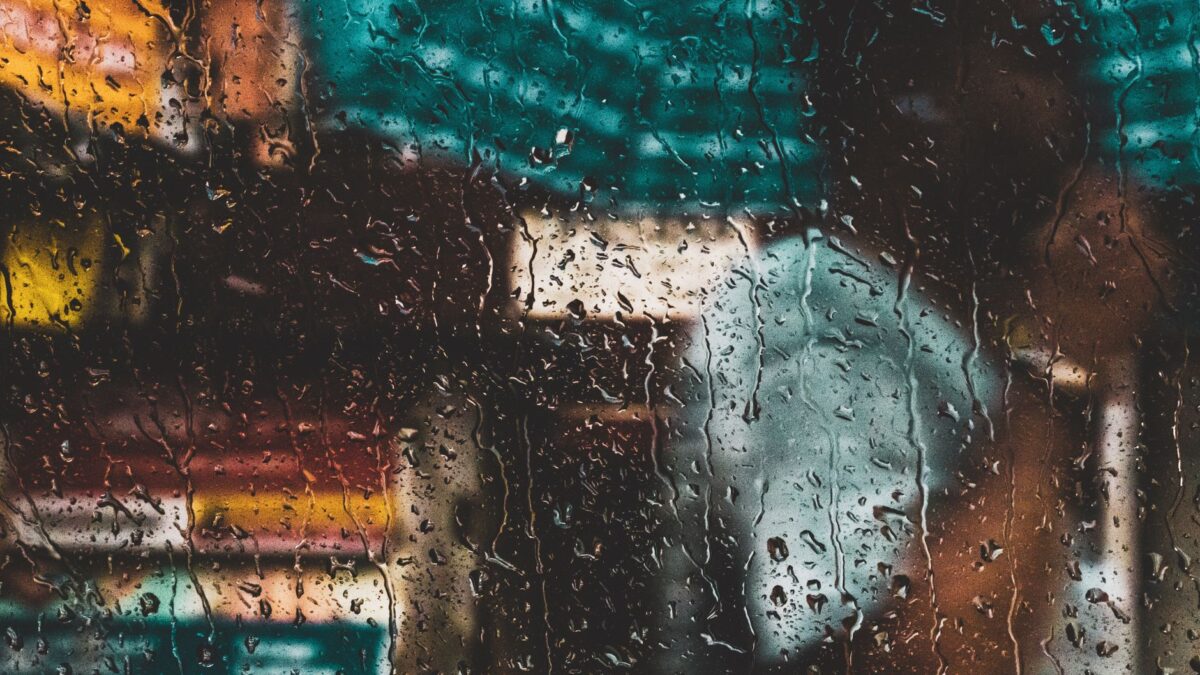
The rain has finally let up over Kathmandu Valley, and the air is thick with the smell of wet earth and roasting corn. It is mid-August, the heart of the monsoon, and the streets are a symphony of honking micro-buses, the chime of temple bells, and the patter of bare feet on wet stone. I am sitting at a corner in Jhamsikhel, sipping a strong cup of coffee from Yala Cafe & Coffee Shop, watching the clouds roll over the hills. This is Nepal in August — green, humid, and alive. If you are arriving in the coming days or weeks, here is what you need to know right now.
Weather and the Monsoon Right Now
As of today, August 13, Kathmandu is seeing a daily thunderstorm, with temperatures hovering between 21°C and 29°C, though it feels like 34°C thanks to the humidity. We have had about 18 mm of rain over the last 18 hours — a typical pattern for this time of year. The sun comes up just before 5:33 AM and sets at 6:44 PM, so you have decent daylight to explore if you plan around the rain.
The key to enjoying August is to embrace the rhythm: clear, warm mornings, sudden afternoon downpours, and then a fresh, cool evening. Carry a lightweight rain jacket or a compact umbrella everywhere. Waterproof shoes are not a luxury — they are a necessity. Your dry socks will thank you. And if you are hiking around the Valley foothills, like the trails in Shivapuri Nagarjun National Park, start early and be off the ridges by early afternoon, when lightning becomes a real risk.
Festivals and Events: Shrawan and Beyond
We are in the final weeks of Shrawan, the Hindu holy month. On Mondays, the devout gather at Pashupatinath Temple and along the Bagmati River for ritual offerings and fasts. The streets around Pashupatinath are busier than usual, and you will see saffron-clad sadhus and devotees carrying brass pots of holy water. Even if you are not Hindu, you can observe from the far bank of the river — the ghats are a powerful place to witness living faith.
On August 15, the International Nepali Film Awards (INFA) are debuting in Nepal for the first time, at the Hotel Yak & Yeti in Thamel. Expect glitz, some road closures, and a buzz around the hotel — if you are staying nearby, book a quieter spot.
Mark your calendar for August 28–29. Gai Jatra, the festival of cows, will fill the old streets of Kathmandu and Bhaktapur with satirical parades, costumes, and processions honouring the dead. Then, Janai Purnima marks the sacred-thread renewal, and every Newari home will be cooking kwati — a nine-bean soup that is a monsoon classic. You can find it at local eateries, or join the crowds at riverside temples.
Also, be aware that landslides and monsoon damage have caused disruptions on several highways. The Kanti Highway at Pangdur in Lalitpur and the Sitapaila–Dharke road in Kathmandu’s Nagarjun have been blocked or are under curfew restrictions. The BP Highway between Khurkot and Katunjebesi is closed at night. If you plan to travel overland, check current conditions and leave extra time. This is monsoon reality — roads wash out, and patience is your best travel companion.
What to Expect: Crowds and Prices
August is a shoulder season for tourism. The trekking crowds have thinned out — many wait for the post-monsoon clarity of October — so you will find guesthouses with vacancies and more breathing room at the Durbar Squares. But do not expect a bargain basement. Prices have climbed sharply in recent years; a simple dal bhat set, once the budget traveller’s staple, has roughly doubled in a decade, now going for about NPR 150–300 (≈ $1.7 to $2.2) at local eateries.
For a mid-range hotel room in Thamel, expect to pay around NPR 2,500–5,000 (≈ $28) a night. A cup of coffee at a cafe will set you back NPR 250–400 (≈ $2.4), and a local beer like Gorkha or Khumbu Kölsch costs NPR 600–750 (≈ $5). The luxury of old Kathmandu — the Newari feast at a local restaurant, say a samay-baji platter for NPR 300–600 (≈ $3) — remains a steal.
The Local Scene: What’s On and Around
Kathmandu is a city of neighbourhoods, and each has a different mood this August. In Thamel, the tourist hub, you will find gear shops, rooftop bars, and the familiar chaos of touts. The Garden of Dreams offers a quiet escape — a neo-classical 1920s walled garden with a cafe, perfect for a monsoon afternoon read.
Patan (Lalitpur) is the most intact of the Valley’s medieval cities. Patan Durbar Square and the Patan Museum are essential for art lovers — the museum holds one of South Asia’s finest collections of bronze and Newari sacred art. Jhamsikhel, known locally as “Jhamel,” is the leafy expat and digital-nomad strip, with bakeries, brunch cafes, and coworking spots — including the excellent Coffee Beans Cafe and Avocado Cafe in Thamel, if you prefer the tourist side.
Boudhanath, with its great stupa, is the Tibetan Buddhist heart. The kora path is ringed with monasteries and prayer wheels — you can join the circumambulation at dawn or dusk, when the butter lamps glow. Bhaktapur remains the brick-paved jewel, famous for Nyatapola Temple and juju dhau (king curd). Do not miss the Asan Tole market in old Kathmandu, where spice and vegetable vendors carry on an ancient tradition, and where you can eat choila — spicy buffalo meat, a Newari speciality.
Practical Tips for This Month
If you are arriving at Tribhuvan International Airport, remember the visa-on-arrival process: USD 30 for 15 days, USD 50 for 30 days, USD 125 for 90 days. Have cash in US dollars or another convertible currency. Pre-fill the form online at nepaliport.immigration.gov.np to skip the queue. SAARC citizens get 30 days free, and Indians need no visa. A few nationalities, like Nigeria, Ghana, Zimbabwe, Iraq, and Ethiopia, must get a visa in advance from a Nepali embassy.
Also note that since January 1, 2026, all foreign nationals must register in the new Foreign Nationals Management Information System (FNMIS) via the Department of Immigration mobile app or the same website. You get a 6-digit token and a QR code — this serves as your digital ID for hotels, domestic flights, and currency exchange. Do this within a few days of arrival.
For money, open a local bank account if you are staying long — Nabil Bank and Global IME offer digital account opening with video KYC. For a SIM card, buy from Ncell or Nepal Telecom at the airport or downtown shops; carry your passport for registration. A 15- or 30-day data pack is cheap and will keep you connected in the Valley.
For getting around, use the rideshare apps Pathao or inDrive, as taxis rarely use meters. Negotiate the fare in advance, or use the pre-paid taxi booth at the airport arrivals hall. Public buses, like Sajha Yatayat’s electric line, are cheap (single fares are NPR 25–40, or about $0.20–0.30) but can be crowded and confusing.
Finally, be mindful of the monsoon’s impact on your plans. The International Day of the World’s Indigenous Peoples was marked on August 9 with a large gathering at Khullamunch — a reminder that cultural events happen throughout the month. But if you are heading to Nagarkot for the mountain panorama, go on a clear morning; the clouds may lift for a glimpse of Everest, but be prepared for a white-out.
Nepal in August is not the picture-postcard of October. It is a living, rainy, vibrant place where the monsoon nourishes the land and the festivals follow the lunar calendar. Bring your rain jacket, your sense of humour, and an umbrella. The mountains will wait for you. In the meantime, there is dal bhat, momos, and kwati to be eaten.
Frequently asked questions
Is it safe to travel to Nepal during the monsoon in August?
Yes, but be prepared for daily rains and potential landslides. Several highways have been blocked or restricted, including the Kanti Highway and BP Highway at night. Check local conditions and plan extra travel time.
What festivals are happening in Nepal in late August 2026?
Gai Jatra (festival of cows) and Janai Purnima (sacred-thread renewal) fall on August 28–29. Expect parades in Kathmandu and Bhaktapur, and try kwati (bean soup) for Janai Purnima.
Do I need a visa on arrival for Nepal in August 2026?
Most nationalities can get a visa on arrival at Tribhuvan International Airport. It costs USD 30 for 15 days, USD 50 for 30 days, and USD 125 for 90 days. Bring cash in USD or another convertible currency.
What should I pack for Kathmandu in August?
Pack lightweight rain gear, waterproof shoes, quick-dry clothing, and layers for humid days (21–29°C). The sun sets around 6:44 PM, so a headlamp or flashlight can help for evening walks.
Are there any road closures or travel disruptions right now?
Yes, as of mid-August, the Kanti Highway at Pangdur (Lalitpur) and the Sitapaila–Dharke road (Kathmandu) have been blocked or restricted. The BP Highway between Khurkot and Katunjebesi is closed at night. Check current conditions.


