

Nepal in November 2026: what travelers should know now
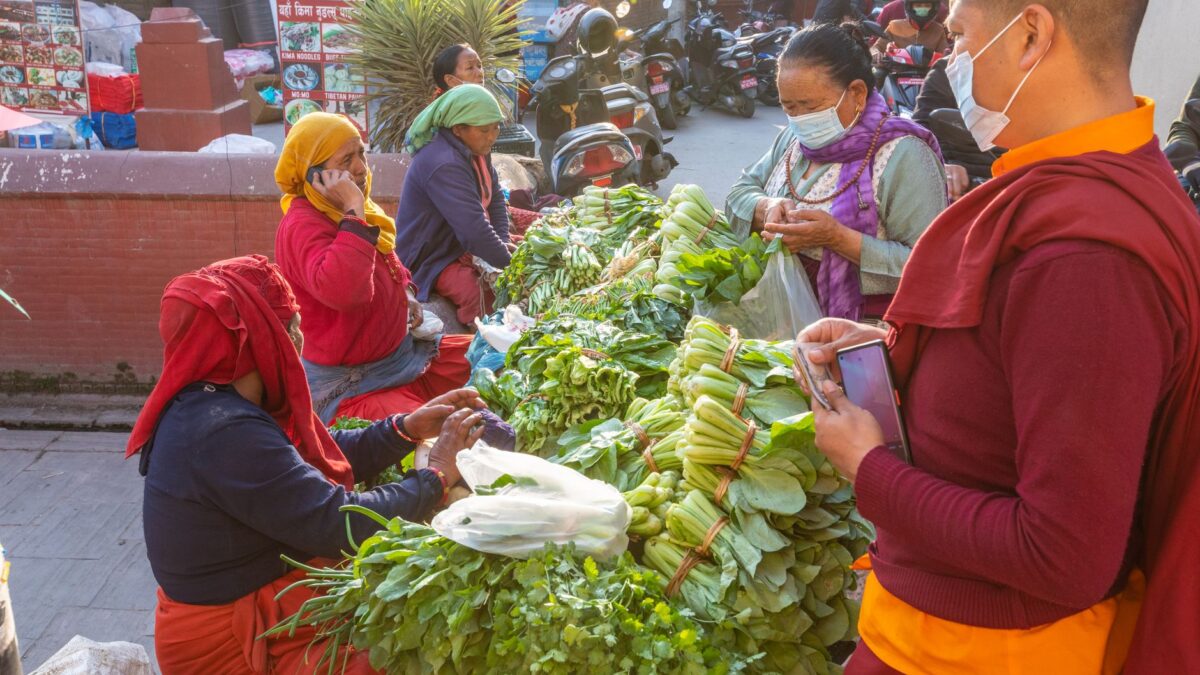
The morning air in Kathmandu has that crisp, metallic bite you only get when the monsoon humidity finally breaks and the Himalayan high-pressure system settles in. As of mid-November 2026, the sky is a persistent, pale blue-grey overcast, with temperatures hovering between 10°C and 20°C. It is not the blazing sun of March, nor the snow-choked silence of January, but it is arguably the most comfortable window to walk the stone streets of the valley before the winter chill deepens. If you are arriving this month, you are stepping into a season where the dust settles, the views from Nagarkot turn sharp, and the trekking routes open up just as the cold snaps begin.
Weather and Packing for November
The current forecast shows light winds and overcast skies, typical for this time of year. The days are mild enough for short sleeves if you are active, but the evenings drop quickly once the sun dips below the valley rim after 5:30 PM. You will need layers. A fleece or light down jacket is essential for mornings and nights, while breathable cottons work for the midday warmth around 20°C.
If you plan to hike up to Chandragiri Hills or take the cable car to view the sunrise at Nagarkot, bring windproof outerwear; the exposure at these elevations makes the temperature feel several degrees lower than the city centre. For trekkers heading to Everest Base Camp or the Annapurna Circuit, November is prime time. The air is dry and clear, offering the best visibility of the mountain ranges, but campsites can be freezing at night. Pack thermal liners and a reliable sleeping bag rated for sub-zero conditions. Avoid heavy rain gear unless a late-season storm hits, as precipitation is rare right now.
Festivals and Local Rhythms
November is a pivotal month culturally because it bridges the end of the harvest season and the lead-up to the major festival of Tihar (Deepawali). While specific dates for Tihar shift based on the lunar calendar each year, late November often sees preparations intensifying. In Thamel and Patan, you will notice an increase in marigold garlands, oil lamps, and local decorations as households prepare for the five-day celebration of lights. This is a wonderful time to witness the quieter, domestic side of Newari culture.
For travelers, this means some family-run guesthouses in residential areas like Lazimpat or Kupondole may have reduced services as owners focus on home celebrations, but the main tourist hubs remain fully operational. If you find yourself in Bhaktapur during this period, the car-free core will feel even more intimate, with fewer vehicles and more locals engaging in traditional rituals. Keep an eye on local listings for Diwali-related events, which often include community feasts and cultural performances in Durbar Squares across the valley.
Crowds, Costs, and What to Expect
This is the start of the peak tourist season. Unlike October, which is crowded with post-monsoon trekkers, November sees a steady flow of visitors seeking stable weather. Prices for accommodation and flights begin to climb slightly compared to the shoulder months of May or September, but you still get excellent value by Nepalese standards. A night in a mid-range hotel or guesthouse in Thamel runs around NPR 2,000–4,000 (approx. $22), while a modest one-bedroom flat for longer stays costs about NPR 33,900 monthly ($255).
Food remains incredibly affordable. You can eat well for very little: a plate of ten steamed momos at a local shop is about NPR 150–300 ($1.7), and a hearty dal bhat set with unlimited refills at a bhojanalaya costs roughly NPR 200–400 ($2.2). However, rents have been climbing in recent years, so budget-conscious travelers should note that housing costs are rising faster than average net salaries, which hover around NPR 40,000 per month. For dining out with friends, a meal at a mid-range restaurant for two will set you back around NPR 2,000–3,000 ($19). Use this time to explore the diverse culinary scene, from chatamari (Newari rice-flour crepes) at NPR 100–200 to sel roti snacks at NPR 30–50 each.
Practical Tips for Right Now
Visas and Entry: Most nationalities receive a Visa on Arrival at Tribhuvan International Airport (TIA). Fees are $30 for 15 days, $50 for 30 days, and $125 for 90 days. Pay in cash USD at the bank counter near immigration. Children under 10 are free (except US citizens), and SAARC nationals get 30 days free. Ensure you fill out the online form or use the airport kiosk before landing to speed up processing.
Connectivity: Get a SIM card immediately upon arrival. Ncell offers the best urban 4G/5G coverage, while Nepal Telecom (NTC) ‘Namaste’ has superior reach in remote and high-mountain areas. Many long-stayers carry both. Registration requires your original passport, a photo, and visa stamp. Ncell’s ‘TouristPro’ plans are cost-effective: NPR 595 for 7 days, NPR 995 for 14 days, and NPR 1,995 for 28 days. Digital wallets like eSewa and Khalti are ubiquitous; try to load them early for easy payments at smaller shops.
Transport: There is no unified smart-card system yet. Use ride-hailing apps like Pathao and inDrive for cars and motorbikes, which are safer and more transparent than hailing random taxis. For local buses, fares are cheap (NPR 20–30), but microbuses and tempos (shared electric three-wheelers) are the backbone of valley transit. If you are trekking, remember that since January 1, 2025, solo foreign trekkers must hire a licensed guide on many routes. Obtain your TIMS card and park permits at the Nepal Tourism Board office in Kathmandu before heading out.
Safety and Health: Kathmandu sits at ~1,300-1,400 m. Allow a day to acclimatize before strenuous activity. Pickpockets can be an issue in crowded areas like Thamel and Durbar Square, so keep valuables secure. Be wary of trekking offers that seem too good to be true; reputable agencies operate in areas like Thamel and Lazimpat. Also, consider visiting the Narayanhiti Palace Museum to understand the country’s modern political history, having transitioned to a federal republic in 2008.
Where to Stay and Eat This Month
If you are new to Kathmandu, Thamel remains the default base. It is packed with rooftop bars, gear shops, and hostels, making it easy to find fellow travelers and last-minute trekking info. For a quieter expat vibe, consider hotels in Lazimpat, known for its tree-lined streets and diplomatic presence, or Kupondole/Sanepa in Lalitpur, which offers leafy streets and larger apartments popular with INGO staff.
When eating, look beyond the tourist traps. For authentic flavors, head to Patan (Lalitpur) for its historic metalwork cafes or Boudha for Tibetan thangka painting centers and singing-bowl crafts. Try Forest & Plate or Jasper Restaurant in Thamel for diverse options. Coffee lovers should visit Rise & Grind Coffee on JP Road or Ananda Tree House for a serene break. Accommodations like Hotel Siddhi Manakamana or Capital Boutique Hotel offer solid mid-range choices. For a touch of history, stay near the Hanumandhoka Durbar Square or explore the museums like the National Museum of Nepal or Taragaon Next for contemporary art perspectives.
Frequently asked questions
Is November a good time to trek in Nepal?
Yes, November is considered one of the best months for trekking. The weather is stable, skies are clear, and visibility of the Himalayas is excellent, though nights can be cold.
Do I need a visa to enter Kathmandu in 2026?
Most nationalities get a Visa on Arrival at Tribhuvan International Airport. Fees range from $30 for 15 days to $125 for 90 days, payable in cash USD.
How much does food cost in Kathmandu right now?
Food is very affordable. A local dal bhat meal costs around NPR 200–400 ($2.2), and a plate of momos is about NPR 150–300 ($1.7). Mid-range dinners for two are roughly NPR 2,000–3,000 ($19).
What are the best neighborhoods to stay in Kathmandu?
Thamel is the tourist hub with nightlife and gear shops. Patan and Bhaktapur offer historic charm. Lazimpat and Sanepa are quieter expat-friendly areas with better residential amenities.
Is public transport easy to use in Kathmandu?
There is no unified smart card. Use apps like Pathao or inDrive for rides. Local buses and microbuses are cheap (NPR 20–30) but can be crowded. Tempos are also common.
Things to do in Nepal
 Kathmandu/Pokhara to Annapurna Base Camp (ABC) 5-Day Trek
 Trekking in Annapurna/Langtang/Everest/Upper Mustang regions
 Everest Base Camp Trek
 Landing Everest Base Camp Kalapathar by Helicopter & Breakfast
 Local Women Lead Nepali Cooking Class
 Special offer
Kathmandu Sightseeing | Top 4 UNESCO Heritage Tour Private/Group