

Netherlands in November 2026: what travelers should know now
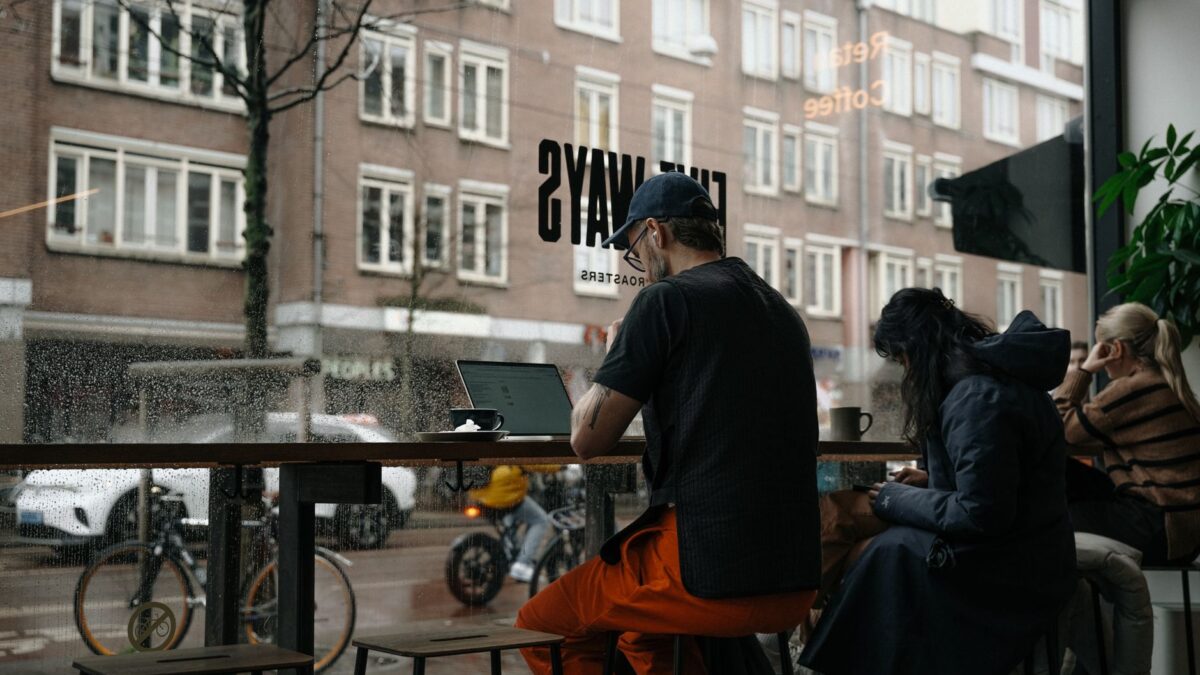
The rain has been falling steadily since dawn, a fine, persistent mist that turns the cobblestones of the Jordaan into dark mirrors. It is November 8, 2026, and the temperature is hovering around 6°C. By five o’clock this evening, the sky will already be black. This is the moment Amsterdam turns inward. The terraces are packed away, the leaf-strewn parks are quiet, and the city’s true rhythm reveals itself: not in the bustling squares of summer, but in the warm glow of brown cafés, the hushed reverence of museums, and the electric anticipation of festival season. If you are arriving now, you are stepping into the most atmospheric, intimate version of the city.
Weather and Packing for the Dutch Wet Season
As of today, the forecast calls for light rain with about 4mm of accumulation over the next few hours. Throughout November, expect temperatures to stay between 6°C and 10°C. It is damp, it is dark early, and it is beautiful if you embrace it. The key to enjoying Amsterdam in November is layering. You need a waterproof shell that actually works—wind off the IJ canal cuts through everything—and sturdy, water-resistant shoes. Leave the sneakers at home; they will be soaked by noon.
Pack woolens, scarves, and gloves. The locals do not complain about the cold; they dress for it. When the sun does peek out briefly, you will see everyone flooding Vondelpark or the Amsterdamse Bos, but once it dips below zero or the wind picks up, the city retreats into its network of covered arcades, museum halls, and cozy cafes. The seasonal feel is one of comfort and concealment: pepernoten (Sinterklaas sweets) are piled high in every supermarket, and the mood shifts from outdoor leisure to indoor gathering.
What Is Happening Right Now: Events and Closures
November is a month of cultural intensity. Two major events are dominating the calendar right now. First, PAN Amsterdam—the city’s premier art, antiques, and design fair—is taking over the RAI convention center for its 39th edition. Running until November 8, it features over 100 dealers and talks at the PAN Podium. If you have an interest in design history or luxury antiques, this is the place to be. Tickets are available via pan.nl.
Just after your arrival, IDFA (International Documentary Film Festival Amsterdam) begins on November 12. As the world’s largest documentary festival, it fills the Pathé Tuschinski and other cinemas with 253 films from 80 countries. This year includes the world premiere of ‘White Tiger Column’. It runs until November 22, so book your cinema tickets early; these screenings sell out fast. For those seeking a more traditional experience, Sinterklaas’s official arrival parade (intocht) is expected in mid-November. While the exact date is not yet confirmed on all local pages, expect crowds, closed streets along the route, and a festive, chaotic atmosphere as children await their gifts.
Be aware of current closures affecting tourism. The main building of the Amsterdam Museum on Kalverstraat remains shut for multi-year renovations, with the collection only visible elsewhere in the city until roughly 2030. Additionally, the Anne Frank House tickets are online-only and routinely sell out days or weeks in advance. Do not attempt to buy them at the door. Similarly, timed-entry slots are mandatory at the Rijksmuseum, even for pass holders. Plan these visits well ahead of your trip.
Navigating Costs and Transit in November
Amsterdam is a high-cost city, driven largely by rent—a modest one-bedroom flat in the centre costs around €2,200 per month—but daily travel is surprisingly affordable and capped. For visitors, the easiest way to move around is OVpay. Simply tap your contactless debit/credit card, phone, or watch on the reader when you board trams, buses, metro, and the free IJ ferries. GVB trips are automatically capped at €10.50 per day. There is no need to buy paper tickets unless you prefer the convenience of a 24-hour GVB ticket for €10.00.
Accommodation prices vary by season, but November is shoulder-to-low season. A mid-range hotel double room in the Canal Belt might cost around €165–€185 per night, while budget options can be found for €65–€75. Meals at inexpensive local places run about €15–€20. The currency is the euro (EUR), and while inflation is around 3.3%, everyday payments are predominantly contactless card or iDEAL bank transfer. Cash is rarely needed, though some older market stalls may still appreciate it.
Where to Go When It’s Dark and Damp
When the rain sets in, head to the Jordaan. This 17th-century working-class quarter is now the most photographed neighbourhood, with narrow canals, hidden hofjes, and brown cafés that offer warmth and character. Walk the Nine Streets (De Negen Straatjes) for shopping, then find a cafe near the Westerkerk. Alternatively, cross the IJ to Amsterdam-Noord. Reachable by free ferry from Centraal Station, this post-industrial creative frontier offers street art at the NDSM wharf, the EYE Filmmuseum, and the A’DAM Lookout. It is quieter, cheaper, and feels like a different city entirely.
For foodies, De Pijp is the densest eating-and-drinking district. Even in November, the Albert Cuyp Market (closed Sundays) is a sensory overload of smells and sights, with raw herring, stroopwafels, and cheese from over 260 stalls. Inside, try the Surinamese or Indonesian cuisine that defines this multicultural hub. If you want something spiritual and architectural, visit the Fo Guang Shan He Hua Temple on Zeedijk. One of Europe’s largest Chinese Buddhist temples, it is free to enter and offers a striking contrast to the Christian heritage of the Oude Kerk nearby.
Practical Tips for Arriving This Month
If you are visiting from outside the EU, remember that Schengen short-stay rules apply: most Western passports get 90 days in any 180-day period without a visa. Since October 2025, the EU Entry/Exit System (EES) takes fingerprints and a facial image at first entry, typically at Schiphol. Check the status of the ETIAS pre-travel authorisation before booking, as it is being phased in.
Safety-wise, Amsterdam is generally safe, but pickpocketing is rampant on crowded trams to Museumplein, Dam Square, and Kalverstraat. Keep your valuables secure. Bike theft is endemic; never leave your bike unlocked. If you rent a bike, use two locks. Finally, enjoy the All Souls’ Day tradition in Vondelpark if you are here around November 2. Locals float small lit boats with personal messages on the big pond, accompanied by music—a poignant, peaceful event that captures the soul of the city in late autumn.
Frequently asked questions
Is IDFA documentary festival happening in November 2026?
Yes, IDFA runs from November 12–22, 2026, featuring 253 films at venues like Pathé Tuschinski. Book tickets early as they sell out quickly.
Do I need to book Anne Frank House tickets in advance?
Yes, tickets are online-only and routinely sell out days or weeks ahead. Do not expect to buy them at the door.
How much does public transport cost in Amsterdam in November?
Using OVpay with a contactless card, daily costs are capped at €10.50. A single GVB 1-hour ticket is €3.40.
What is the weather like in Amsterdam in November?
Expect temperatures between 6°C and 10°C with frequent light rain. Pack waterproof layers and sturdy shoes.
Is Sinterklaas parade happening in mid-November 2026?
The 88th edition intocht is expected in mid-November, though exact dates may vary. Expect street closures and large crowds along the route.
Things to do in Netherlands
 Amsterdam Free tour World War II and Anne Frank
 Amsterdam Highlights and Hidden Gems Walking Tour with Fun Guide
 Explore Amsterdam in 75 Minutes – Pedicab Rickshaw City tour
 Private All-Inclusive Cruise with Captain
 Amsterdam: Private Tour to Keukenhof and Flower-Farm with Ticket
 The Ultimate Craft Beer Adventure in Amsterdam!