

Netherlands in October 2026: what travelers should know now
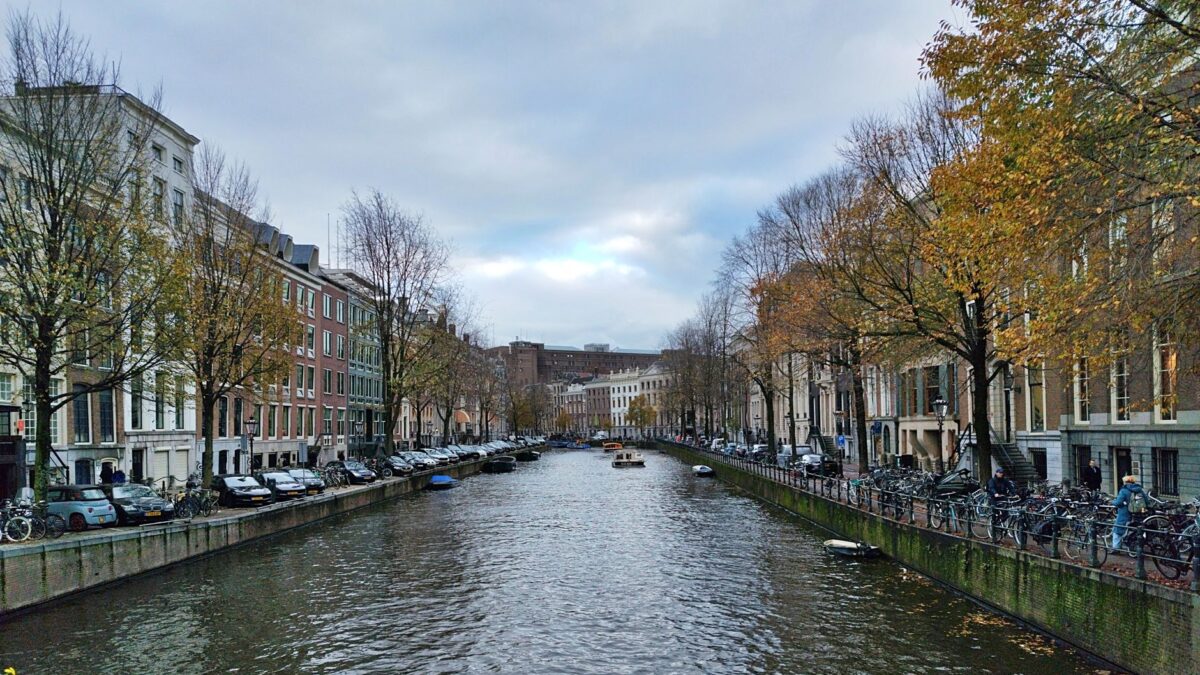
It is damp, breezy, and distinctly autumnal in Amsterdam right now. As I step out onto the Prinsengracht this morning, the sky is a uniform sheet of grey, pressing down on the gabled merchant houses that have stood on wooden piles for centuries. The terraces are emptying out, the first signs of herfstvakantie (autumn holiday) crowds are beginning to appear mid-month, and the air carries that specific scent of wet leaves and roasting chestnuts. This is not the postcard summer of bright skies and canal-side picnics; this is the Netherlands in October 2026—moody, cultural, and intensely local. If you are arriving this month, you need to know what is actually happening on the ground, not just what the brochures say.
The Season: Packing for the Dutch Autumn
As of today, 6 October 2026, the weather in North Holland is holding steady between 16°C and 21°C, though it feels cooler with the persistent overcast and light winds. The days are shortening rapidly, with daylight running from approximately 07:49 to 19:06. This means your exploration window is shrinking every day.
You must pack for layers. A waterproof jacket is non-negotiable—not an umbrella, because the wind will turn it inside out before you can raise it. Bring sturdy walking shoes with good grip; the cobblestones in the Jordaan and Canal Ring become slick when wet. While the temperature might hover near 20°C at midday, the evenings drop quickly, especially if you are dining outdoors or walking along the IJ in Amsterdam-Noord. Think wool scarves, comfortable boots, and a bag that can keep your camera dry. The seasonal shift also brings a change in rhythm: locals retreat indoors earlier, and the city’s social life moves into its brown cafés and concert halls.
Current Events & Cultural Pulse
This month is defined by two major overlapping forces: high culture and electronic music. First, the World Press Photo exhibition at De Nieuwe Kerk has been extended due to popular demand and now runs until 25 October. It is showing alongside the ‘Queer Amsterdam’ exhibition in the same historic church, making it a pivotal cultural stop for anyone interested in visual storytelling and contemporary identity. Do not miss this while you can.
Second, and perhaps more impactful on the city’s infrastructure, is the return of the Amsterdam Dance Event (ADE). For its 30th edition, running from 21 to 25 October, the entire city transforms. Expect over 3,300 artists across 300+ venues. The event opens with Jean-Michel Jarre performing his Oxygène 50th anniversary show at AFAS Live, followed by AMF at the Johan Cruijff ArenA. Hotels are filling up fast, and prices are surging. If you are staying beyond these dates, expect a quieter, more subdued city afterward, but during this week, prepare for noise, late nights, and crowded transport hubs.
In the arts scene, part of the former Bijlmerbajes prison is reopening as Bajes, a temporary 2,900-capacity cultural venue. From late October through its first programme on 21–25 October, it will host club nights, concerts, and exhibitions. Nearby, Levenslang is closing and transforming into its Ketel room, signaling a shift in the local nightlife landscape. These are places where the creative community gathers, offering a glimpse into Amsterdam’s underground pulse away from the tourist traps.
Transport Realities & Safety Notes
Travelers should be aware of recent operational disruptions. Earlier this month, on 2 October, GVB halted all five Amsterdam metro lines following a system-wide failure caused by a faulty train forcing a full control-system reboot. Passengers were stranded at stations like Noord and forced onto trams, buses, and NS trains. While the system is currently operating, this incident highlights the fragility of the network during peak loads. Always have a backup plan involving trams or walking, especially if you are relying on the metro to reach areas like Amsterdam-Noord or the Museum Quarter.
Safety-wise, Amsterdam remains generally safe, but the risks are specific. Pickpocketing is prevalent around Centraal Station, Dam Square, Leidseplein, and on busy trams. Keep your phone secured. There was a targeted attack outside the São Paulo club on Amstelveenseweg on the night of 2–3 October, resulting in a fatality and the arrest of a suspect. Police treated this as an isolated incident, but it underscores the need for situational awareness in nightlife districts. Additionally, a second explosion occurred on Botteskerksingel on 5 October, damaging a portico flat. Police are investigating possible links to a previous blast in September. These are serious incidents, but they do not indicate a general threat to tourists; however, they may cause localized street closures and police presence in those specific neighborhoods.
Practicalities: Costs, Transit, and Daily Life
Amsterdam is one of Western Europe’s priciest cities. You should budget accordingly. A single GVB bus, tram, or metro fare is about €3.40 for a one-hour ticket. However, the dominant payment method now is OVpay: simply tap your contactless debit/credit card, phone, or smartwatch when boarding and again when leaving. This caps your daily GVB city travel at roughly €10.50, which is far more efficient than buying individual tickets. Note that GVB ferries across the IJ to Amsterdam-Noord are free and run around the clock—use them!
Daily costs add up. An inexpensive meal at a local eetcafé or café lunch runs about €12–18, while dinner at a mid-range restaurant per person is €25–40. A cup of cappuccino or specialty coffee will cost you €3.50–5.50. Beer in a traditional brown café is €4.50–6.50 for a pint. Groceries are moderate; a liter of milk is around €1.00–1.40, and a loaf of bread is €1.40–2.20. Museum entry fees are standardized, with the Rijksmuseum and Van Gogh Museum both charging approximately €22.50. Be aware that rent is the dominant cost here; a modest one-bedroom flat in the city unfurnished averages €1,600–2,200 per month, reflecting the notoriously tight housing market.
If you are planning to stay longer than four months, remember that you must register your address with the municipality (gemeente) in the BRP population register within five days of moving in. This requires an appointment at a Stadsloket office and produces your BSN (burgerservicenummer), which is essential for banking, work, and health insurance. Traditional banks like ING, ABN AMRO, and Rabobank require a BSN and proof of address. For newcomers, digital options like bunq, Revolut, or N26 allow account opening with just a passport and address, supplying the BSN later—a crucial workaround while you navigate municipal bureaucracy.
Right Now: Tips for Your Visit
As you navigate the city this month, prioritize the indoor cultural offerings given the weather. The Rijksmuseum and Van Gogh Museum are excellent shelters from the rain, but book timed tickets well in advance—the Anne Frank House sells out online only, so do not wait. Explore the Nine Streets (De Negen Straatjes) for shopping and cafes, or cross the IJ via the free ferry to visit the EYE Filmmuseum and NDSM Wharf for street art and a different perspective on the city.
Be mindful of the tourism-sceptical mood. The council has tightened short-term rental rules and banned new budget hotels. Respect residential areas, particularly in the Jordaan and Canal Ring, where locals live among the postcard views. Avoid rowdy behavior in public spaces. Finally, if you are traveling with family, note that herfstvakantie crowds peak mid-month. Plan your museum visits for early morning or late afternoon to avoid the longest queues. Enjoy the moody beauty of Amsterdam in October—it is a city that reveals its soul best when the summer crowds have gone home.
Frequently asked questions
Is the Amsterdam Dance Event (ADE) happening in October 2026?
Yes, the 30th edition of ADE runs from 21 to 25 October 2026, featuring over 3,300 artists across 300+ venues, including a headline performance by Jean-Michel Jarre.
How much does public transport cost in Amsterdam this month?
A single 1-hour GVB ticket is about €3.40. Using OVpay with a contactless card caps daily travel at approximately €10.50. Ferries to Amsterdam-Noord are free.
Are there any current transport disruptions to watch for?
GVB recently experienced a system-wide metro failure on 2 October. While services are restored, delays can occur, so always have a backup plan using trams or buses.
What is the weather like in Amsterdam in October?
Expect overcast skies with temperatures between 16°C and 21°C. Days are shorter (sunrise ~07:49, sunset ~19:06), so pack waterproof layers and sturdy footwear.
Do I need a visa to visit the Netherlands from the US or UK?
Visitors from the US, UK, Canada, and Australia do not need a visa for short stays up to 90 days within any 180-day period. Check ETIAS status before booking.
Things to do in Netherlands
 Amsterdam Free tour World War II and Anne Frank
 Amsterdam Highlights and Hidden Gems Walking Tour with Fun Guide
 Explore Amsterdam in 75 Minutes – Pedicab Rickshaw City tour
 Amsterdam: Private Tour to Keukenhof and Flower-Farm with Ticket
 Likely to sell out
Private All-Inclusive Cruise with Captain
Likely to sell out
Private All-Inclusive Cruise with Captain
 Small-Group Guided Sunset Canoe Tour in Waterland with Dinner