

Oman etiquette: the dos and don’ts
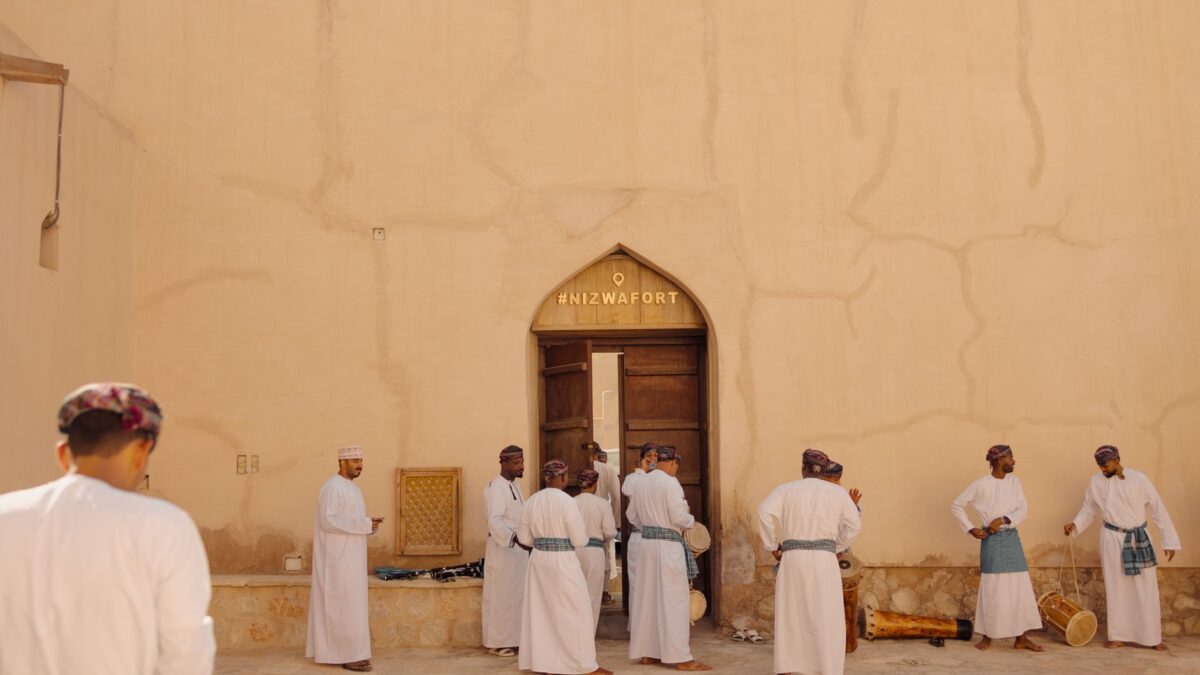
The August heat in Muscat sits on you like a damp blanket, the air thick enough that even the light breeze at 7pm feels like a warm shower. You’ve just landed, and the taxi from the airport edges past a maze of construction barriers—Sultan Haitham City rising to the south, dust and detours on the airport approaches. The driver, an Omani in a crisp dishdasha, asks where you’re from, then offers you a sip of his bottled water. That small gesture is your first lesson: hospitality here is not a performance, it’s a reflex. To be a considerate visitor in Oman is to understand that every interaction, from the simplest greeting to the way you hold a coffee cup, carries meaning. So let me walk you through the dos and don’ts that genuinely matter.
Greetings: The Art of the Salaam
Forget the Western handshake for a moment. In Oman, the standard greeting is As-salamu alaykum (peace be upon you), and the response is Wa alaykum as-salam. If you’re a man greeting an Omani man, a handshake is fine—but keep it gentle, and use your right hand. Never offer your left hand, as it’s considered unclean. If the other person places his hand over his heart after the handshake, that’s a sign of warmth—reciprocate by doing the same. For women, the rule is simpler: do not offer your hand to an Omani man unless he extends his first. Omani women may greet you with a simple verbal exchange and a nod, or they may offer a handshake—follow their lead. When you meet a group, greet the eldest or most senior person first. And a small tip: after the initial salaam, it’s common to ask Kaifa haluk? (how are you?)—but don’t give an honest answer. The expected reply is Alhamdulillah (praise be to God), followed by the same question back to you. It’s not small talk; it’s the ritual that opens the door to trust.
Dress: Cover Up, Blend In
The heat is relentless—around 28–36°C but feeling like 44°C, with humidity that makes you feel like you’re walking through a steam room. Your instinct will be to strip down to shorts and a tank top. Resist it. Modesty is deeply respected here. For men, trousers or long shorts that cover to the knee, and a shirt with sleeves, are fine. For women, the key is loose clothing that covers your shoulders and knees; a light scarf is useful for visiting the Sultan Qaboos Grand Mosque in Al Ghubrah, where both men and women must be covered (women need a headscarf and full-length, loose-fitting attire). You’ll see Omani women in black abayas and men in white dishdashas, but you’re not expected to wear them—just to dress soberly. In Mutrah Souq or the fish market, you’ll notice locals in a mix of traditional and modern dress; the point is to not stand out as disrespectful. And remember, even on Qurum Beach or the upscale Bareeq Al Shatti promenade, topless sunbathing or skimpy swimwear is a serious faux pas—resort pools and private beaches are the only place for that.
Dining Manners: Eat With the Right Hand, Never With the Left
When you’re invited to an Omani home—and you will be, if you make friends—expect to sit on the floor on cushions, with a large communal platter of majboos (spiced rice with meat) or shuwa (slow-cooked lamb) in the center. The food is eaten with your right hand, and you may see Omani men eating with the fingers of the right hand, scooping rice into a ball and popping it into their mouths. Don’t be afraid to do the same; it’s a compliment to your host. Never, ever eat with your left hand, which is reserved for personal hygiene. If you’re served Omani halwa—that sticky, saffron-scented jelly—after the meal, take a small portion; it’s a sweet finish to break the meal. And when you’re offered coffee, the traditional qahwa is served in tiny, handleless cups, often with dates. The host will keep pouring until you gently shake the cup from side to side—that’s the signal you’ve had enough. It’s polite to accept at least one cup, even if you’re not a coffee drinker. Tipping in restaurants is not mandatory, but it’s appreciated: around 10% is a good guide, though most places include a service charge. For hotel staff who help with bags or housekeeping, a small tip of 1–2 OMR (about $2.50–5) is a kind gesture.
Tipping and Money: Cash Is Still King, But Cards Are Taking Over
The currency is the Omani rial (OMR), pegged at about $2.60 per rial. You’ll see prices in shops and restaurants, and while credit cards are widely accepted in malls like Muscat Grand Mall or the restaurants in Qurum, be aware that public buses run by Mwasalat stopped accepting cash from 1 August 2026—you’ll need a card or the Mwasalat app. For taxis, always agree on the fare before you get in, or better, use Careem/Uber. Tipping is not expected in cafes or small eateries, but for a good meal at a place like Ramssa Omani Restaurant or KAIA, a 1–2 OMR note is a smile-worthy gesture. In the souq, haggling is expected, but keep it friendly; unlike some other Gulf states, the Omani approach is more gentle persuasion than aggressive bargaining. A simple rule: if you’re happy with the price, pay it. If you feel it’s too high, offer half and smile—you’ll likely meet in the middle.
Mosques, Photography, and Public Behavior
The Sultan Qaboos Grand Mosque is a masterpiece of modern Islamic architecture, with the world’s second-largest hand-woven carpet and a Swarovski chandelier. It’s open to non-Muslims Saturday to Thursday from 8am to 11am. Dress conservatively (women must cover their heads), and remove your shoes before entering the prayer hall. Photography is allowed in the courtyard but not inside the prayer hall itself—look for signs. In general, always ask permission before taking photos of Omani people, especially women and children. Patience is expected; a smile and a low, calm voice go a long way. Public displays of affection between couples are not okay—no kissing, and even hand-holding may draw stares. During the holy month of Ramadan (which is not currently, but if you visit then), you must not eat, drink, or smoke in public during daylight hours—absolutely no exceptions, even for non-Muslims. The same goes for consuming alcohol, which is strictly regulated in Oman; you won’t find it in supermarkets, and it’s only served in licensed hotels and restaurants, like the ones at The Chedi or the InterContinental in Shatti Al-Qurum.
Small Customs That Matter
When you enter a shop, you’ll be greeted with Marhaba (hello) and often offered something to drink—tea or coffee. Accept it, even if you only take a sip; it builds rapport. When you’re invited to a majlis (a sitting room), it’s polite to sit down right away, not to wander or ask for a tour. Shoes are removed at the entrance of any home or mosque. You might notice that the weekend falls on Friday and Saturday, and Friday is the holy day—many restaurants and shops close after midday prayers, and the Royal Opera House Muscat is closed on Fridays. If you’re around during the Cultural Initiatives Forum at Bait Al Zubair Museum (running through late August), you’ll see how deeply storytelling and poetry are woven into Omani identity—join in if you can. And finally, when someone offers you a lift or invites you for tea, decline twice before saying yes; they will insist, and you’ll eventually accept. It’s a social dance that shows respect on both sides. Oman will reward you with its stunning weather, its turtle beaches at Ras Al Jinz, and its mountain wadis—but it’s the small courtesies you offer in return that will make your visit unforgettable.
Frequently asked questions
What is the proper way to greet an Omani in Muscat?
Say 'As-salamu alaykum' and respond with 'Wa alaykum as-salam.' Use your right hand for handshakes, and let women extend their hand first. Place your hand over your heart to show warmth.
Do I need to cover my head at the Sultan Qaboos Grand Mosque?
Yes, women are required to cover their heads with a scarf, and both men and women must wear modest, loose-fitting clothing that covers arms and legs. It's a working mosque, so respect is essential.
Is tipping expected in Omani restaurants and taxis?
Tipping is not mandatory but appreciated. For restaurants, 10% of the bill is a good guide, and a small tip of 1–2 OMR (about $2.50–5) is nice for bag carry and housekeeping. Agree on taxi fares before the ride, or use Careem/Uber.
Can I eat with my left hand in Oman?
No, never use your left hand for eating or passing items, as it's considered unclean. Eat with your right hand, especially when dining from a shared platter.
Are there any public behavior rules I should know?
Avoid public displays of affection, ask permission before photographing locals, and if you're in a mosque, remove your shoes. During Ramadan, no eating or drinking in public during daylight hours, even for non-Muslims.
Things to do in Oman
 Private Tour to Wadi Bani Khalid & Wahiba Sand Desert with Sunset
 Private Full-Day Wadi Shab Adventure and Bimmah Sinkhole Tour
 Private Full-Day Wadi Shab and Bimmah Sinkhole Tour
 Sunset in Wahiba Sands 4x4 Adventure
 Nizwa Fort-Nizwa Souq-Birkat Al Mouz-Jebel Akhdar - Private Full Day Tour
 Private Full Day Tour to Nizwa & Jebel Akhdar by 4X4 Landcruiser