

Panama in October 2026: what travelers should know now
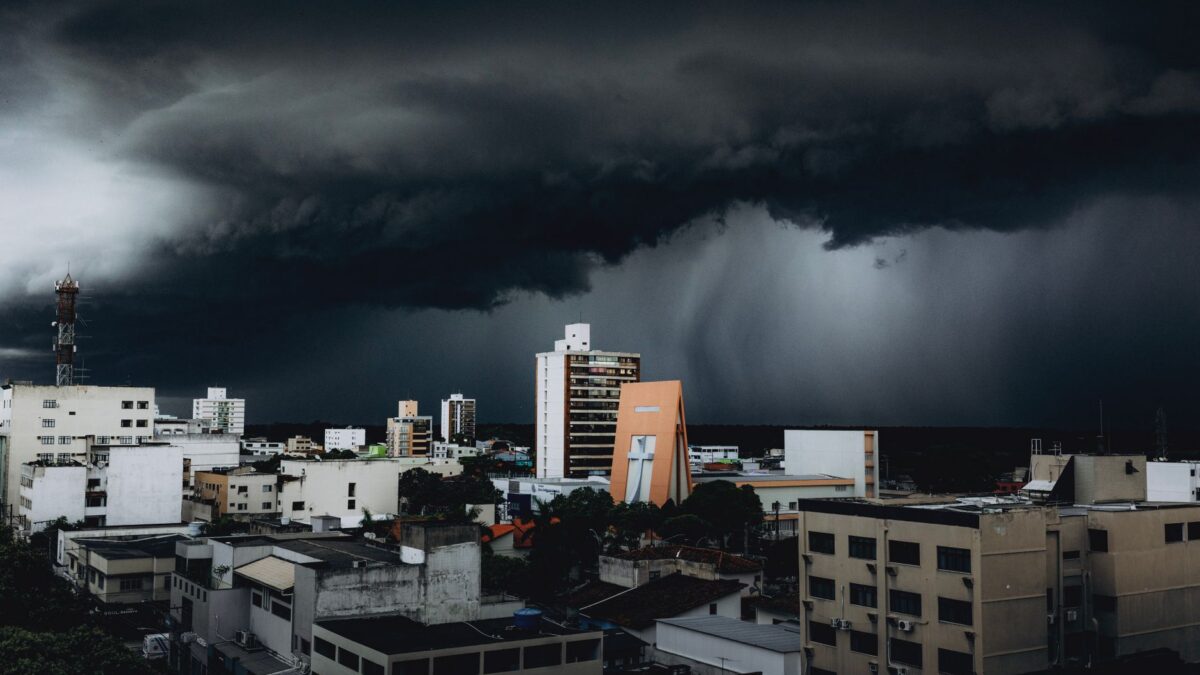
The air in Panama City is thick enough to drink right now. It is mid-October, the height of the rainy season, and if you step outside near Parque Omar this afternoon, you will feel that familiar, heavy heat pressing down—29°C with a humidity that makes your shirt stick to your back within minutes. But look up. The sky isn’t just grey; it is bruised purple, signaling another thunderstorm rolling in from the Pacific. For travelers arriving this month, the city feels different. It is quieter than the tourist peaks of January or July, but there is a palpable tension in the streets. We are still navigating the aftermath of the major seismic events earlier this month, and the infrastructure is in a delicate state of recovery. If you are planning a trip for late October or November, here is exactly what you need to know about living, moving, and surviving in Panama right now.
The Weather: Heat, Humidity, and Heavy Downpours
October in Panama is not for the faint of heart when it comes to packing. The temperature hovers between 25°C and 29°C, but the “feels like” index regularly hits 34°C. You are walking through a steam room. The rain does not drizzle; it falls in concentrated, violent bursts, usually in the late afternoon. Today alone, we have seen 10mm of rain over an 18-hour window, with lightning flashing consistently from early morning until sunset.
For you, this means two things. First, pack light, breathable fabrics that dry quickly. Cotton is a mistake; it stays wet and cold. Second, plan your days around the weather. Mornings are for outdoor exploration—walking the cobblestones of Casco Viejo or hiking Ancon Hill while the sky is clear. Afternoons are for indoor activities: museum visits, café hopping, or resting at your hotel. Do not try to hike Soberanía National Park or take a boat to Taboga Island in the middle of the day unless you are prepared to get soaked. The streets flood quickly, and traffic snarls become inevitable when the rain hits.
Recovery Mode: What Changed After the Quakes
You cannot visit Panama right now without acknowledging the earthquake that struck on October 9th. A magnitude 7.6–7.7 tremor centered near Pitaloza Arriba shook the entire country. While Panama City avoided the catastrophic damage seen in Herrera province, the shockwaves were felt everywhere. Thousands of us evacuated swaying high-rises, and for days after, the aftershock sequence kept many of us sleeping outdoors or too anxious to return home.
As of today, the city is in “quake-recovery mode.” This is visible in several ways. First, water supply remains irregular. The Chilibre water treatment plant, which supplies much of the capital, dropped to 20% output initially. While it has returned to full capacity, the network lag means taps in some neighborhoods are unreliable. Carry bottled water for drinking and be prepared to fill bathtubs or buckets if you stay in older buildings where pressure might fail. Second, structural inspections are ongoing. Many residents are cautious about entering certain high-rises. If you book a hotel in the Obarrio financial district or Punta Pacífica, check with your host about their recent safety assessments. Third, public spaces like Parque Omar and the Hatillo building ground floor have served as donation points for evacuees from the central provinces. The spirit of community is strong right now; volunteers are sorting water, sheets, and fans. It is a somber reminder that our neighbor provinces suffered far more than we did, and visitors should approach these areas with respect and sensitivity.
Holidays Ahead: Separation Day and National Unity
In the coming weeks, the calendar shifts toward national unity. On November 3rd, we celebrate Separation Day, marking our separation from Colombia in 1903. This is followed by Flag Day on November 4th and Colón Day on November 5th. These are not just dates on a calendar; they are three consecutive public holidays that bring the city to a standstill.
If you arrive in late October, expect businesses to start closing early on Wednesdays leading into the holiday weekend. Banks, government offices, and many smaller shops will be closed on November 3rd, 4th, and 5th. Restaurants and bars in Casco Viejo and El Cangrejo will remain open, but they will be busy. Locals use this long weekend for domestic travel, so hotels in popular destinations like Boquete or Santa Catalina may sell out months in advance. If you are staying in Panama City, enjoy the vibrant atmosphere, but do not expect to run errands or access administrative services during those four days. Plan your meals and transport accordingly.
Costs, Transport, and Practical Tips for October
Panama City remains one of the priciest capitals in Latin America, but daily survival can be surprisingly affordable if you know where to look. The currency is the Balboa (PAB), pegged 1:1 to the US dollar. Both circulate, but you will see both. Inflation is currently negative (-0.2%), which is good news for your wallet, though rent remains high due to demand.
Food: Skip the imported groceries. Eat local. A meal at an inexpensive fonda—rice, beans, protein, and maduros—costs about B/.4–8. This is authentic, cheap, and delicious. For a mid-range restaurant experience, budget B/.15–30 per person. Coffee lovers should seek out specialty roasters like Geisha Experience or Pulpa Specialty Coffee; a cup runs B/.1.50–3. Local beer (Balboa or Atlas) is B/.1.50–2.50 at a bar, or just B/.75 in a store.
Transport: The Metro is your best friend. A single ride on Line 1 costs only B/.0.35. It is clean, safe, and avoids the worst of the traffic. Uber is also cheap, typically B/.3–5 across town. Avoid street taxis without meters; always agree on the fare first. Public transit passes don’t exist in the traditional sense; you pay-as-you-go with a rechargeable card, costing roughly B/.30–40 per month if you commute daily.
Accommodation: Modest one-bedroom flats in the city center rent for B/.800–1,200 per month. For tourists, mid-range hotels or guesthouses run B/.60–120 per night. Areas like San Francisco and Costa del Este offer better value and safety for longer stays, while Casco Viejo is ideal for short-term luxury and nightlife.
Safety: Stick to the restored core of Casco Viejo, the Cinta Costera, and the residential districts like El Cangrejo and Obarrio. Avoid El Chorrillo, Santa Ana, Calidonia, Curundú, and San Miguelito, especially at night. Use Uber after dark. The city is generally safe for tourists, but petty crime exists in crowded areas.
Connectivity: Get a prepaid SIM or eSIM immediately upon arrival. Nearly everything—from banking to ordering food—runs on WhatsApp. You will need a local number to communicate with landlords, delivery drivers, and even building doormen.
October is a month of contrast in Panama: beautiful green landscapes, intense heat, and a community resilient in the face of disaster. If you come now, you will see the real Panama—the hardworking, recovering, vibrant heart of the country. Just pack your rain gear, respect the recovery efforts, and enjoy the quiet moments before the November rush.
Frequently asked questions
Is it safe to travel to Panama City in October 2026 after the earthquakes?
Yes, it is generally safe for tourists. While the central provinces suffered significant damage, Panama City experienced only light damage to residential buildings. However, the city is in recovery mode, with some water supply irregularities and ongoing structural inspections. Travelers should stay informed and respect local recovery efforts.
What public holidays are coming up in Panama in October and November 2026?
The key holidays are Separation Day (November 3), Flag Day (November 4), and Colón Day (November 5). These form a long weekend where most banks and government offices close. Restaurants and bars remain open but are busy with locals traveling domestically.
How much does a meal cost in Panama City in October 2026?
Meals vary widely. An inexpensive local fonda meal costs about B/.4–8. A mid-range restaurant dinner runs B/.15–30 per person. Imported groceries and dining in tourist-heavy areas like Casco Viejo can be significantly more expensive.
Will I have reliable water and electricity in my hotel in Panama City?
Electricity is generally reliable, though occasional fluctuations occur. Water supply is currently irregular due to post-earthquake repairs at the Chilibre treatment plant. Some neighborhoods may experience low pressure or interruptions. Bring bottled water for drinking and consider filling containers for bathing if you stay in older buildings.
What is the best way to get around Panama City in October?
The Metro system is the most efficient and affordable option, with rides costing only B/.0.35. Uber is also cheap and convenient, typically B/.3–5 for short trips. Avoid unmarked street taxis and be prepared for traffic jams during afternoon rainstorms.
Things to do in Panama
 Private Fishing in the Panama Canal, Gatun Lake
 Panama Canal Zone Bike Tour By Paradox Experience
 Day End Tour: Casco Viejo, Amador Causeway & Sabroso Panama
 Hiking Experience in Caldera Transportation Included
 Electric Bike Rental El Valle de Antón (Best Rated Activity)
 Shuttle to Riu Playa Blanca Hotel: Round Trip or One Way