

Panama in September 2026: what travelers should know now
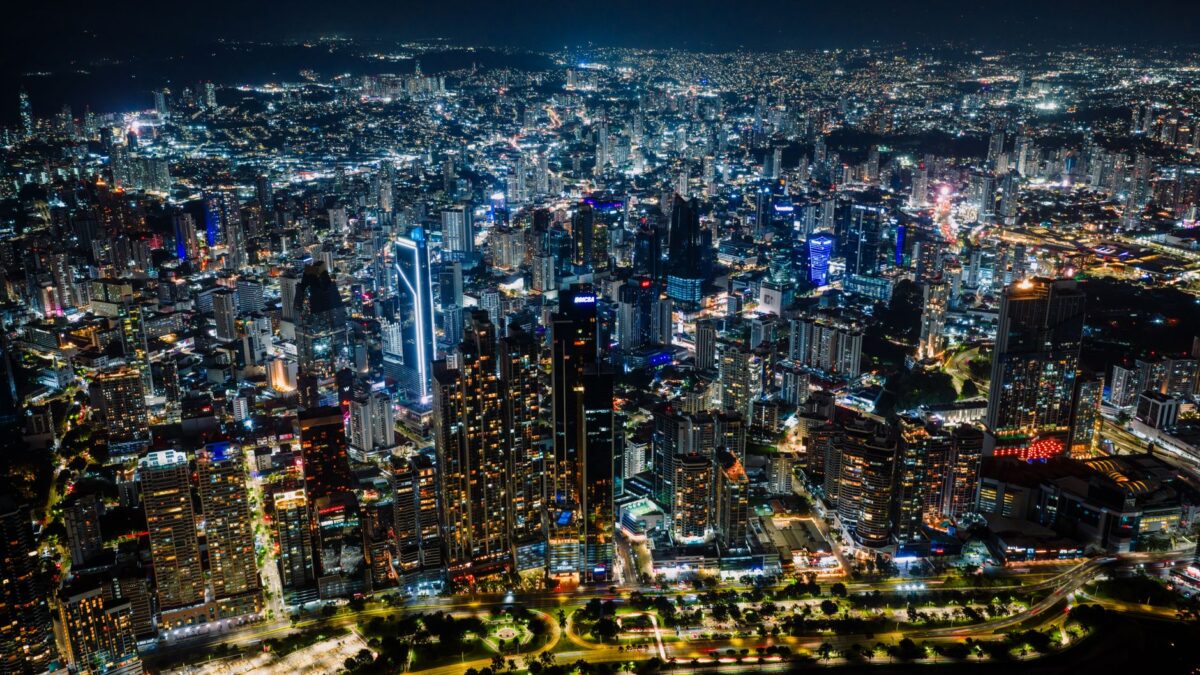
It is mid-September, and if you are standing on the Cinta Costera right now, you will notice something unusual: the air feels heavier than usual for this time of year. Normally, Panama City would be drenched in the rhythmic afternoon thunderstorms that define our rainy season. But this September, an intense El Niño has kept the skies stubbornly dry. The humidity is still high—expect it to feel like 38°C even when the thermometer reads a ‘cool’ 26–30°C—but the lack of rain has shifted the local conversation entirely. Water anxiety is real here. As residents, we are watching every drop, and as a visitor, you might notice a heightened awareness of conservation efforts around town.
The Canal Crisis and Water Reality
You cannot visit Panama in late 2026 without acknowledging the water situation. Since September 15, the Panama Canal has tightened its drought-related restrictions significantly, capping daily transits at just 32 ships. For those of us living here, this is not just a headline; it is a daily reality affecting everything from fuel prices to shipping costs. With Gatún and Alhajuela lakes remaining critically low, the city is operating under a mindset of extreme caution regarding water usage.
For travelers, this means your experience might feel slightly different. While tourism infrastructure remains robust, the underlying tension about resources is palpable. If you are heading to the Miraflores Locks Visitor Center to watch ships pass, note that the spectacle is less frequent than in previous years. The locks are working, but they are prioritizing efficiency over volume. It is a sobering but essential part of understanding modern Panama: we are navigating the environmental consequences of global climate patterns right alongside the world’s most important maritime shortcut.
What Is Happening This Week
The city is buzzing with activity, though much of it is centered around professional gatherings rather than tourist festivals. From September 13 through today, the ICA Global Conference & General Assemblies have taken over the Panama Convention Center in Amador and surrounding hotels. You may notice an influx of international delegations and side events filling up the restaurants and bars near the causeway. It is a great time to be in the area if you enjoy a cosmopolitan atmosphere, but expect higher demand for hotel rooms and dinner reservations in that specific zone.
Music lovers should look toward the Ciudad de las Artes, where the Panama Horn Festival is running until September 18. Featuring the 2nd Panama Horn Competition, this event brings recitals, masterclasses, and brass performances to the stage. It is a niche but vibrant cultural moment, perfect for those who want to experience the city’s artistic side away from the typical tourist traps.
Looking ahead to the weekend, keep an eye on two major disruptions. On September 20, the inaugural Panama City Marathon will close streets along a fast, flat route through the city. If you plan to explore downtown or cross into Casco Viejo on that day, check traffic alerts before moving. Then, on September 19 and 20, Foodie Fest returns to the Islas de Atlapa. This is a fantastic opportunity to sample local vendors, street food, and live entertainment in a relaxed, open-air setting. It is one of the few times the city slows down enough to let you really taste what Panama offers.
Weather, Packing, and Daily Costs
Even with the dry spell, you must pack for the threat of sudden thunderstorms. The forecast indicates light rain accumulation over long periods, so a compact umbrella and quick-dry clothing are non-negotiable. Footwear should be comfortable for walking on cobblestones (if you are in Casco Viejo) but sturdy enough for potentially slick surfaces during brief downpours.
Cost-wise, Panama City remains one of the priciest capitals in Latin America, particularly for rent and imported goods. However, getting around and eating locally is surprisingly affordable. A single ride on the Metro de Panamá (Line 1) costs just B/.0.35, and a MiBus ride is B/.0.25. These are among the cheapest transit systems in the region. For meals, skip the tourist-heavy spots in the historic district for a day and head to a local fonda. There, you can get a hearty plate of rice, beans, protein, and maduros for between B/.4 and B/.8. A mid-range restaurant meal will run you B/.15–30 per person, while a cup of specialty coffee at places like Geisha Experience or Pulpa Specialty Coffee will cost B/.1.50–3.
If you are staying longer, monthly rents for modest one-bedroom flats in the city center hover around B/.800–1,200. Hotels in mid-range areas like El Cangrejo typically charge B/.60–120 per night. Remember that the Panamanian Balboa (PAB) is pegged 1:1 to the US Dollar, which circulates freely. You will rarely need to exchange currency; USD is king.
Where to Stay and Navigate
Choosing your neighborhood depends on what kind of traveler you are. If you want walkability, history, and rooftop bars, Casco Viejo (Casco Antiguo) is your best bet. It is a UNESCO-listed colonial quarter founded in 1673, with a walk score of nearly 92. Just stay within the restored core; avoid the rougher edges like El Chorrillo at night. For a more residential, expat-friendly vibe with great local restaurants and bars along Vía Argentina, choose El Cangrejo. It is well-connected by Metro Line 1.
If you prefer safety and modern amenities above all else, Costa del Este is widely rated as the safest area. It is a planned community with wide sidewalks, police patrols, and many international schools, making it ideal for families or corporate travelers. For luxury seekers, Punta Pacífica offers bay-view towers and high-end dining, though it is very car-dependent. Avoid driving in these areas if you can; use Uber instead. Rides across town typically cost B/.3–5, which is far cheaper and less stressful than dealing with unmetered street taxis.
Safety tip: Stick to the restored Casco core, the Cinta Costera, and the main residential districts. Areas like Santa Ana, Calidonia, Curundú, and San Miguelito are commonly flagged as risky, especially after dark. Always use Uber or reputable rideshare apps at night.
Practical Tips for Right Now
Getting connected is vital. Almost everything in Panama runs on WhatsApp, from booking taxis to communicating with landlords. Buy a prepaid SIM or eSIM immediately upon arrival using your passport. Banks like Banco General and Banistmo are reliable for transactions, but remember that opening an account requires being present with your passport, proof of income, and often a lawyer’s letter.
Visa entry is straightforward for most nationalities, allowing 90 days visa-free (180 days for US/Canadian citizens). Bring proof of roughly US$500 in funds and an onward ticket. Overstaying or working on a tourist stamp is strictly enforced.
Finally, be mindful of the recent power outage that affected much of the capital earlier this week due to issues at the Generadora Gatún plant. While electricity has been restored, grid stability remains a topic of local concern. Keep your devices charged and have a backup plan for communication if needed. Enjoy the city; it is resilient, vibrant, and waiting for you, even if the rains are keeping a secret this September.
Frequently asked questions
Is the Panama Canal open for tourists in September 2026?
Yes, the canal is operational, but transit frequency has been reduced. Due to drought conditions, daily ship transits are capped at 32, meaning fewer ships will pass through the locks compared to normal seasons.
What are the current weather conditions in Panama City for September?
Expect hot and humid weather with temperatures between 26–30°C (feeling up to 38°C). Unusually for September, rainfall is lower than average due to El Niño, but afternoon thunderstorms remain a possibility, so pack accordingly.
How much does public transportation cost in Panama City?
Public transport is very cheap. A single Metro ride costs B/.0.35, and a MiBus ride is B/.0.25. Uber rides across the city center typically range from B/.3 to B/.5.
Are there any major events happening in late September 2026?
Yes, the Panama Horn Festival runs until September 18, and Foodie Fest takes place at Islas de Atlapa on September 19–20. Additionally, the inaugural Panama City Marathon will close streets on September 20.
Which neighborhoods are safest for tourists to stay in?
The safest and most tourist-friendly areas are Casco Viejo (the historic old quarter), El Cangrejo (central expat hub), and Costa del Este (planned, secure residential area). Avoid areas like El Chorrillo and Calidonia at night.
Things to do in Panama
 Private Fishing in the Panama Canal, Gatun Lake
 Panama Canal Zone Bike Tour By Paradox Experience
 Special offer
Day End Tour: Casco Viejo, Amador Causeway & Sabroso Panama
Special offer
Day End Tour: Casco Viejo, Amador Causeway & Sabroso Panama
 Hiking Experience in Caldera Transportation Included
 Electric Bike Rental El Valle de Antón (Best Rated Activity)
 VIP Experience Agency