

Peru etiquette: the dos and don’ts
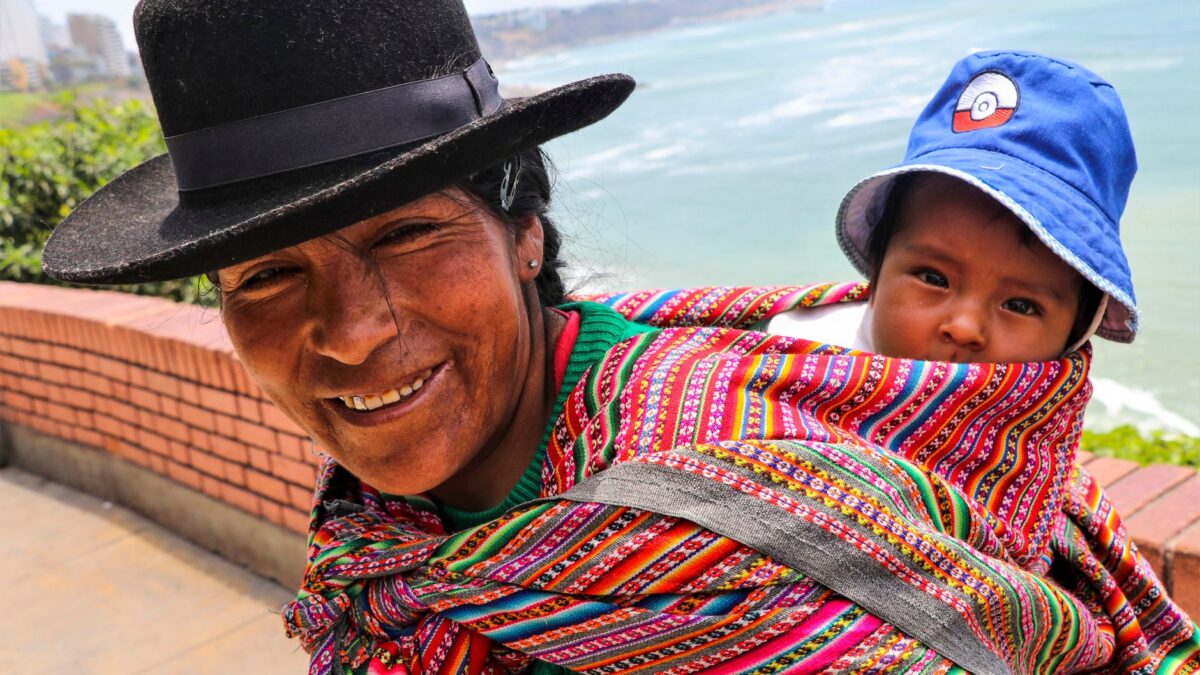
The garúa has teeth this August. Most years, Lima’s winter is a polite grey drizzle that asks you to keep a jacket handy. This year, the sky has been twisting into something angrier—the DANA storm system locals are calling “Aníbal” flooded southern districts like Villa El Salvador and Chorrillos, and the morning of the 19th brought a magnitude 4.8 earthquake that shook the ground just off Lurín. Limeños are used to improvising, but even we felt that one. If you’re landing soon, you’re arriving into a city that’s been knocked around but hasn’t lost its rhythm. The marathon still runs Sunday, the cevicherías still open at noon, and the pisco sours still get poured. The key is knowing how to move through it without stepping on toes.
Greetings: the kiss, the handshake, and the art of not rushing
In Lima, a handshake is for business and strangers. A kiss on the cheek—one, always one, never two—is for friends, acquaintances, and anyone you’ve been introduced to in a social setting. If you’re a man greeting a woman, or a woman greeting anyone, lean in from the right, make light contact, and pull back. Don’t overthink it; the worst thing you can do is hesitate. A limp handshake reads as cold, and a double kiss marks you as a tourist from somewhere very far away.
When you enter a shop or a taxi, say buenos días (before noon) or buenas tardes (after noon). It’s not just politeness—it’s the glue of daily life. Skip it and you’ll get service that’s correct but not warm. Add a “joven” or “señorita” to get a waiter’s attention, and use “usted” with older people. Limeños are relaxed about time, but they’re formal about respect.
Dining: the menú, the propina, and the sacred ceviche
Peruvians eat lunch early and big. The menú del día—a soup, a main course, and a drink—is the workhorse meal, and you’ll find it everywhere from Miraflores to Pueblo Libre for about S/ 13 to S/ 23 (around $5). It’s not just cheap; it’s the honest heart of Lima’s food scene. Order it, eat the soup first, and don’t ask for the menu—there isn’t one. The food is whatever the cook decided that morning.
At a mid-range restaurant, expect to pay S/ 60 to S/ 75 per person. The tip? In Peru, the propina is usually 10%. Many upscale places add it to the bill as “servicio”—check before you leave an extra. Street food doesn’t get tipped, but a “gracias” with a smile goes far. If you’re trying anticuchos (grilled beef-heart skewers, about S/ 10–15) or picarones (syrup-soaked pumpkin doughnuts, around S/ 10), eat them standing, over the cart, and don’t complain about the smoke. That’s part of the charm.
Now, the ceviche rule: never, ever order ceviche after 4 p.m. It’s not a law, but it’s a code. The fish is freshest at midday, and no self-respecting cevichería will serve it at night. A proper bowl at a casual spot runs S/ 30 to S/ 60 (roughly $12), and you should eat it with your hands—corn kernels, sweet potato, and all. Chew slowly. That’s the ritual.
If you’re invited to someone’s home, bring a dessert or a bottle of wine—never show up empty-handed. And if they offer you café, take it. It’s a sign of acceptance.
Dress: layers, modesty, and the art of not looking like a gringo
Lima is cool and grey from June to November, with the garúa fog wrapping the coast. Don’t pack for the Caribbean. In August, the temperature stays around 17–22°C (feels like 25°C), but the damp gets into your bones. Bring a light jacket, a scarf, and comfortable shoes—you’ll be walking the Malecón in Miraflores, which is glorious but windy.
Peruvians dress smart-casual. Even to the market, you’ll see women in neat blouses and men in collared shirts. Shorts are fine on the coast but read as “German tourist” in the Historic Centre. For a nice dinner at a place like Panchita in Miraflores, men should wear long pants and a button-down; women, a dress or nice trousers. Don’t wear beachwear outside of the actual beach—you’ll get stares. And in churches and the Larco Museum, cover your shoulders and knees. It’s respect, not prudishness.
Money and small customs: the sol, the Yape, and the art of the transaction
The currency is the nuevo sol (PEN), and at about 3.74 per US dollar, you’ll get far more than you expect—but prices have been creeping up, especially rent (a modest one-bedroom in a district outside the centre runs S/ 1,050–1,600 a month, roughly $350). Carry small bills and coins for the bus and combis (a fare costs S/ 1.50 to S/ 2.50, about $0.50). The Metropolitano BRT is efficient, but you need a prepaid Lima Pass card (S/ 4.50 for the card itself). You can top it up via the Yape app—everyone uses Yape or Plin instead of cash for even small purchases. If you don’t have them, you’ll be the person fumbling for exact change at a kiosk.
Always say “Buenos días” when entering a shop. Ask, “¿Cuánto cuesta?” even if you see a price tag—it’s polite. And if you’re buying at a market, bargaining is okay, but don’t be aggressive. A gentle smile and a “¿Me puede hacer un mejor precio?” works better than haggling hard.
One more thing: Peruvians don’t tip the taxi driver unless they help with luggage. Uber drivers don’t expect tips, but rounding up to the nearest sol is appreciated. And never tip in dollars—it’s confusing and slightly rude. Use soles.
Out and about: safety, seasons, and the weekend rush
Miraflores, Barranco, and San Isidro are safe on main streets, but keep your phone out of your back pocket, especially around Parque Kennedy (which is full of cats, not pickpockets—but still). Avoid the Historic Centre after dark, and don’t ride combis at night. Use Uber or official taxis—a short hop starts around S/ 10 (about $2.70).
This week, the wind alert from Senamhi is still fresh—trees fell in La Molina and Ate on August 19–20. If you’re out, keep an eye on the sky. And on Sunday, the KIA Media Maratón de Lima takes over the streets from Plaza Mayor to Parque de la Reserva with ~23,000 runners. If you’re not racing, avoid driving anywhere near the centre that morning. Walk instead—you’ll see barranco’s murals and the Bosque El Olivar in San Isidro, where the 1,600 olive trees planted in the 16th century stand as quiet witnesses to everything that’s changed around them.
The little things that matter
Don’t call everyone “amigo.” Use “señor” or “señora” until you’re invited to be informal. Stand up when an older person enters the room. If you’re in a queue, don’t cut—Limeños are patient but will absolutely stare you down. And if you see a street dog, don’t shoo it; they’re part of the furniture here, and people will judge you quietly.
Also, a note on the weather: it’s not sunny in August. It’s grey, damp, and sometimes windy. Don’t complain about it. Peruvians know. Complaining about the garúa is like complaining about the fog in San Francisco—it’s a invitation to a lecture.
One last etiquette gem: if you’re offered a pisco sour, accept it. But sip it, don’t shoot it. It’s a cocktail, not a tequila. And if you’re at a bar with a group, the person who invites doesn’t pay for everyone—the “pago a la once” (eleven people, one pays) only applies in certain circles. Usually, you take turns buying rounds. That’s the dance.
Follow these codes, and Lima will open up to you. You’ll still get lost a little—that’s inevitable. But you’ll lose your way in a neighbourhood that knows your name, and that’s the whole point.
Frequently asked questions
Is it customary to tip in Lima, Peru?
Yes, a 10% tip is standard at restaurants; check if 'servicio' is already on the bill. Street food and taxis don't require tips, but rounding up is appreciated.
What should I wear in Lima in August?
Lima's winter is cool and grey, around 17–22°C. Wear layers, a light jacket, and comfortable shoes. Smart-casual is the norm for going out; cover shoulders in churches.
Can I use credit cards or should I carry cash in Peru?
Cards are accepted at most restaurants and shops, but you'll need cash for combis, markets, and small purchases. The local apps Yape and Plin are widely used, but you'll need a local account to set them up.
What is the 'menú del día' in Lima?
It's a set lunch consisting of soup, a main dish, and a drink, costing about S/ 13–23 (≈ $5). A great, authentic and affordable way to eat like a local.
Is it safe to walk around Lima at night?
Miraflores, Barranco, and San Isidro are safe on main streets, but use Uber or official taxis at night. Avoid the Historic Centre and combi minibuses after dark.
Things to do in Peru
 Anthropologist-Led Horseback: Moon Temple & Mysticism (Max 5)
 Food and Culture Full day Tour in the Sacred Valley
 4-Day Inca Jungle Trek to Machu Picchu: Biking, Rafting & Zipline
 The Textile Workshop Experience in Cusco Region
 Half Day Private Tour Machu Picchu Cusco Peru
 Likely to sell out
Machu Picchu Full Day Tour
Likely to sell out
Machu Picchu Full Day Tour