

Peru in August 2026: what travelers should know now
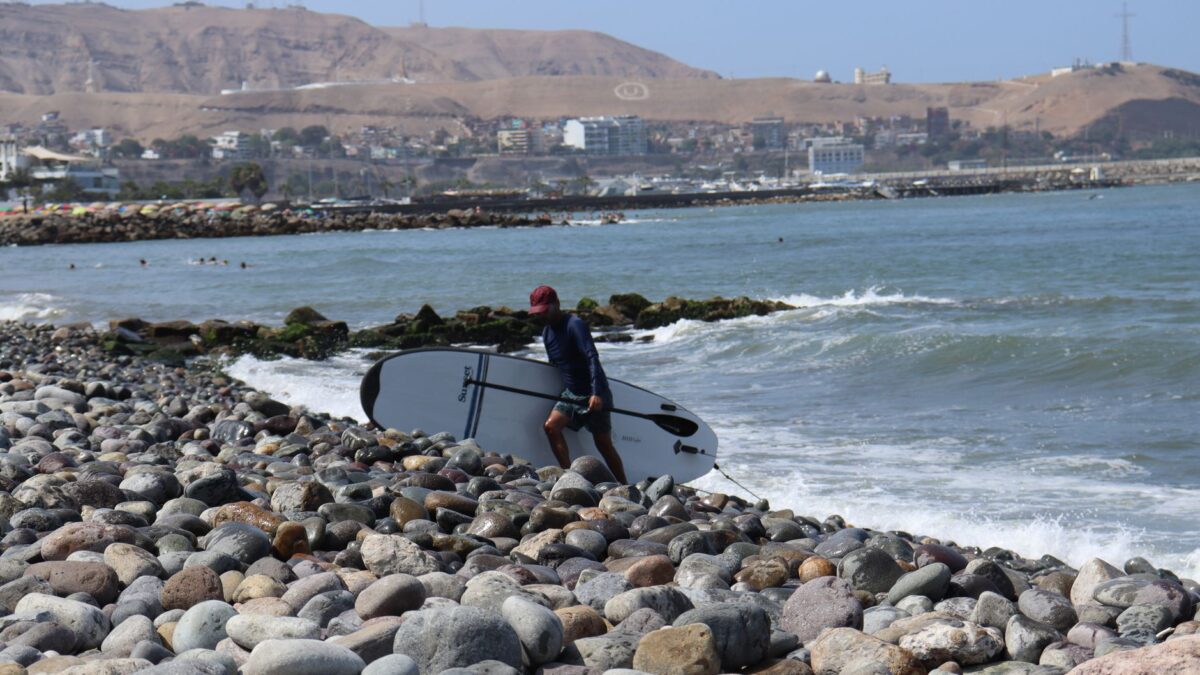
Lima is hugging its grey wool blanket of garúa fog as August 2026 draws to a close, and honestly, we wouldn’t have it any other way. The light is soft, the air hovers between 18°C and 23°C, and the city feels like a secret — a cool, damp, and deeply atmospheric one. The sun is setting just after 6 PM, and the evenings have that particular Lima chill that calls for a light jacket and a warm pisco sour. But look closer, because this weekend is not about hibernation. It’s the final, glorious crescendo of a month packed with coffee, culture, and devotion.
This Weekend in Lima: Santa Rosa, Coffee, and Culture
Tomorrow, August 30th, is the Día de Santa Rosa de Lima, our patron saint’s day and one of the most deeply felt celebrations in the city. As of right now, up to 50,000 pilgrims are converging on the Santuario de Santa Rosa de Lima to visit the Pozo de los Deseos (the Wishing Well) in the Historic Centre. This means Av. Tacna and Jirón Callao are partially closed, and the whole area around Parque Santa Rosa is filling up with a traditional-desert fair that smells of sweet anise cookies and fried dough. It’s a beautiful, authentic spectacle, but it’s also a warning: the Centro Histórico will be packed through Sunday, and traffic around it will be a nightmare. Go early, go by Metropolitano, and take your patience.
If the pilgrim crowds aren’t your thing, the weekend’s other big story is coffee — and loads of it. This is the absolute zenith of Lima’s coffee season, and you have two major festivals to choose from. At the Parque de la Exposición, the XVI Expocafé Villa Rica is on through Sunday (August 30th), featuring 50+ brands and tastings from Peru’s celebrated Villa Rica region. Meanwhile, the VIII Festival Cafesazo Peruano has set up 154 stands of producers, roasters, and specialty cafés at the Campo de Marte in Jesús María — also running this weekend. And if you want to pair your caffeine with something more substantial, the first-edition Expo Gourmet 2026 is at Casa Prado in Miraflores this Saturday and Sunday, with 80+ exhibitors of cheese, charcuterie, coffee, and pisco.
For a different flavor of culture, the free Festival Escape 2026 is taking over the MALI (Museo de Arte de Lima) over these same days, featuring dance, film screenings, and a special “Noche MALI” edition with free-entry arts activities. And over in Miraflores, vinyl lovers should head to the Hotel Naia for the Día del Vinilo, a record market with 14 independent stores, DJ sets, and guided listening sessions. It’s a fantastic, low-key way to spend a grey Sunday afternoon.
The Season Right Now: Garúa, Layers, and Silver Linings
Let’s talk about the weather, because it defines Lima this month. August is the tail end of our winter, and it is characterized by the garúa — that persistent, fine coastal drizzle that never quite becomes rain but keeps the city in a perpetual state of overcast. The sun rises at 6:13 AM and sets at 6:04 PM, so your days are bookended by soft, diffused light. You will not get a beach tan in Lima right now, and that’s perfectly fine — because what you lose in sunshine, you gain in moody skies that make the colonial architecture and street murals pop in a way that harsh sunlight never could.
Packing is simple: think layers. You’ll want a light sweater or a denim jacket for the mornings, a comfortable hoodie for the evenings, and a windbreaker or compact umbrella in case the mist turns into a drizzle. The locals, like me, are wearing sneakers and carrying a light scarf or a coat. Don’t let the grey deter you — this is the season of cozy cafés, bustling markets, and long conversations over warm plates of food. It’s also one of the most affordable times to visit; this is not peak international tourist season, so while flights might be similar, you have a better chance of getting a table at a hot spot and a nicer price on a hotel in Miraflores.
What It Costs: Lima On the Ground in 2026
Lima remains an incredibly affordable city for visitors. You can eat like a king without breaking the bank. For a fill-your-belly menú del día — that’s soup, a main course, and a drink — you’re looking at about S/ 16 (around $5) at any of the hundreds of family-run spots across the city. A proper plate of ceviche at a casual cevichería will set you back approximately S/ 45 ($12), and a generous portion of lomo saltado should cost on the order of S/ 35 ($9) at a neighborhood joint. Snack on the street — anticuchos (grilled beef-heart skewers) for about S/ 12 ($3) or a plate of picarones (pumpkin doughnuts with syrup) for roughly S/ 10 ($3).
If you want to splurge, a mid-range restaurant dinner for two runs about S/ 130 ($35), and you can always go for the tasting menu at world-class spots like Maido or Panchita in Miraflores — but those are experiences you’ll want to book ahead for. For getting around, the Metropolitano BRT on a prepaid Lima Pass card is about S/ 3.20 per ride, and a short taxi hop starts from S/ 10. The key thing to note for 2026: rents are climbing slightly faster than inflation (about 4% annually per a recent Urbania report), so if you’re here long-term, be ready for prices at the higher end of those rental ranges, like S/ 1,450 for a modest one-bedroom outside the dead center.
Practical Notes for Your First Few Days
There are three things you need to know the moment you arrive. First, get a SIM card. The operators are Claro, Movistar, Entel, and Bitel. Bring your passport to any store — Peru registers SIMs to an ID — and you can buy a prepaid one for a few soles, topping up at any Tambo or Oxxo convenience store. Second, grab a Lima Pass card for transit; it costs S/ 4.50 for the card itself and works on the Metropolitano and the main corridor buses. Third, if you’re taking a yellow taxi from the street, be careful — always use Uber or an official radio taxi at night. The areas of Miraflores, Barranco, and San Isidro are safe on main streets, but keep your phone close in Parque Kennedy and avoid the Historic Centre after dark.
A few more housekeeping notes: most US, Canadian, EU, UK, Australian, and NZ citizens get 90 days on arrival on the digital TAM (Tarjeta Andina de Migración). If you plan to overstay, it costs about S/ 4.60 per day, but it’s really not worth the hassle — you can always pop to Cusco for a quick border run. When paying, forget cash for anything over S/ 10 — everyone uses Yape or Plin, the phone payment apps that dominate here. You can use cash at markets and street stalls, but for restaurants and shops, have a credit card ready.
The Mood of the City: Wary but Welcoming
There’s an energy in Lima right now that’s optimistic but measured. The city’s food scene is absolutely world-renowned — this is the place that birthed the world’s best restaurant, Central, and you can feel that culinary confidence everywhere. Yet the political mood is wary, with the country having churned through presidents and with protests occurring with some frequency. As a traveler, you’re unlikely to be affected directly, but do keep an eye on local news and avoid large political gatherings if you see one. The city is used to hosting visitors, and the hospitality culture here is second to none — you will be welcomed with open arms and offered a pisco sour within minutes of sitting down.
So, welcome to Lima in late August 2026. The fog is in, the coffee is hot, and the streets are full of life. Grab a jacket, order a plate of lomo saltado, and let the city’s quiet, grey charm wrap around you. There is no other place in the world like this right now.
Frequently asked questions
What is the weather like in Lima at the end of August 2026?
Expect overcast skies and coastal garúa fog with temperatures between 18°C and 23°C. The sun sets just after 6 PM, so pack layers like a light jacket and a sweater for the cool, damp evenings.
Are there any major events or closures in Lima this weekend?
Yes, August 30th is Santa Rosa de Lima, meaning road closures on Av. Tacna and Jirón Callao due to up to 50,000 pilgrims. There are also major coffee festivals at the Parque de la Exposición and Campo de Marte, plus events at MALI and Hotel Naia.
How much does it cost to eat and get around Lima now?
A set lunch (menú) costs about S/ 16, a plate of ceviche around S/ 45, and lomo saltado about S/ 35. A Metropolitano bus ride is about S/ 3.20, and short taxi rides start from S/ 10.
Do US or European citizens need a visa for Peru in August 2026?
No. Americans, Canadians, EU, UK, Australian, and New Zealand passport holders enter visa-free for up to 183 days, though you are usually stamped for 90 days. You still need to fill out the digital TAM and show proof of onward travel.
What is the best way to pay for things in Lima right now?
Beyond street markets and small stalls, almost everyone pays with the mobile apps Yape (BCP) or Plin (Interbank/BBVA). As a visitor, you'll use cash or a credit card for most transactions, but be aware that many locals prefer these phone systems.
Things to do in Peru
 Anthropologist-Led Horseback: Moon Temple & Mysticism (Max 5)
 Food and Culture Full day Tour in the Sacred Valley
 4-Day Inca Jungle Trek to Machu Picchu: Biking, Rafting & Zipline
 The Textile Workshop Experience in Cusco Region
 Likely to sell out
4-Day Machu Picchu , Sacred Valley and Cusco-Private Guided Tour
Likely to sell out
4-Day Machu Picchu , Sacred Valley and Cusco-Private Guided Tour
 Likely to sell out
Machu Picchu Full Day Tour
Likely to sell out
Machu Picchu Full Day Tour