

Peru in November 2026: what travelers should know now
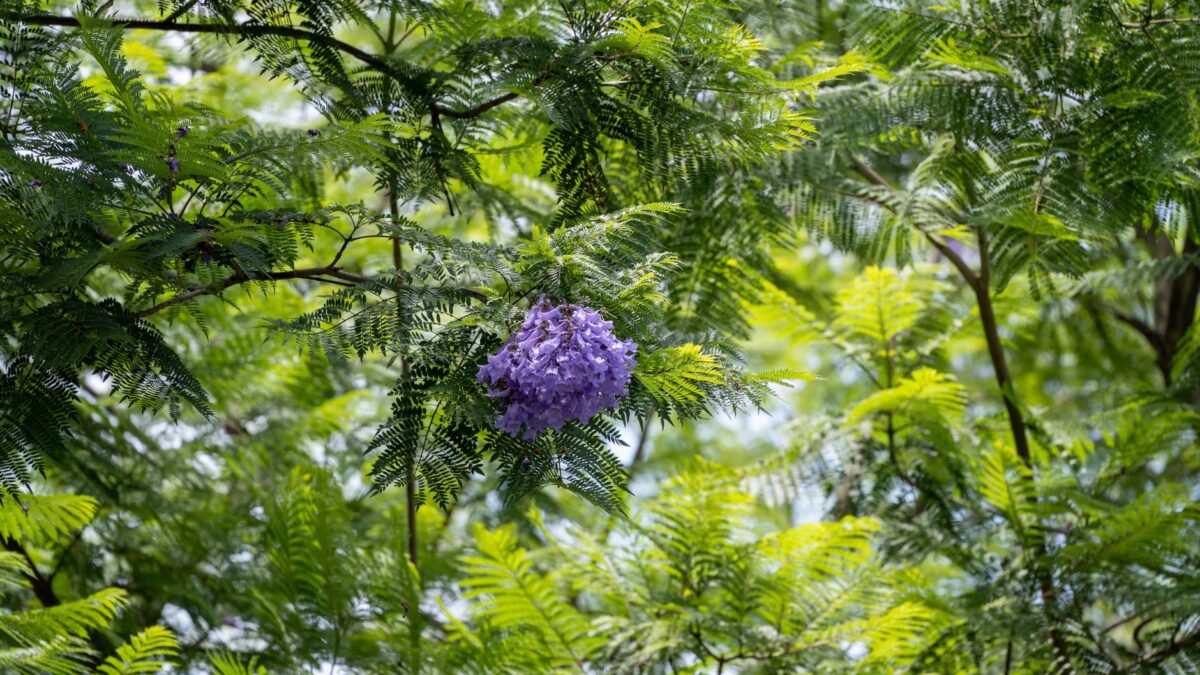
There is a specific smell to Lima in early November—a mix of damp earth from the unseasonal drizzle that just passed through Villa María del Triunfo and the sweet, heavy perfume of jacarandas beginning to bloom along the avenues. As we tip into late spring, the city’s grey morning blanket usually burns off by midday, revealing the bright sun that defines our summer season. But this month, the rhythm of the capital has shifted. The air feels charged with anticipation as we brace for Pope Leo XIV’s visit and the start of the rainy season preparations. If you are landing here now, or planning to stay for the next few weeks, the logistics of moving around have changed. You need to be flexible, aware of the closures, and ready to navigate a city that is simultaneously gearing up for high-profile diplomacy and preparing its edges against the coming rains.
The Papal Visit: Logistics and Closures (Nov 10–12)
The most significant event shaping travel right now is the core closure of the Centro Histórico for Pope Leo XIV’s first apostolic visit to Peru. This is not just a ceremonial parade; it is a logistical gridlock affecting the heart of the city. Starting at 10 p.m. on November 10 and continuing through November 12, the perimeter bounded by Tacna, Emancipación, Abancay, and Nicolás de Piérola will be shut to all vehicles. While Metropolitano stations like Tacna and Jirón de la Unión remain open, expect them to be heavily congested as thousands gather to witness the event.
On the evening of November 11, when the Pope meets authorities and the diplomatic corps at the Gran Teatro Nacional in San Borja, the disruption extends further. Línea 1’s La Cultura station will close, and fifteen bus routes are being rerouted off Aviación and Javier Prado. If you are staying in or near San Isidro or Miraflores, avoid these corridors during the evening hours. Corredor Rojo services (201/204/206/209) will skip the La Cultura stop entirely. For travelers, this means the historic centre is effectively off-limits for private vehicle access, and public transit requires careful route planning. If your itinerary includes visiting the Plaza Mayor or the Cathedral, plan your visits well before the 10 p.m. curfew on the 10th, or consider waiting until after the event concludes to explore the colonial architecture safely.
Events, Culture, and the Pulse of the City
Beyond the political solemnity, Lima is buzzing with cultural energy. On November 8, Piknic Électronik’s second edition takes over the Parque de la Exposición in Cercado. Running from 2 p.m. to 11 p.m., this open-air electronic music festival features artists like Seth Troxler, Guy Gerber, and Tinlicker. Be aware that this creates a significant noise footprint and crowd density in the Cercado area that afternoon and night. It is a vibrant scene, but if you prefer quiet evenings, keep your distance from the park during those hours.
Looking ahead to mid-November, the first Salón de las Flores Perú runs from November 13 to 15 at the Parque de la Amistad in Surco. This three-day fair for flower growers will draw substantial crowds and traffic along Benavides Avenue. For those interested in horticulture or simply enjoying a leisurely stroll among blooms, it is a lovely local tradition. However, if you rely on driving through Surco during those days, expect delays. The social calendar is filling up rapidly as the city transitions into its sunny season, making reservations for dinner at places like Panchita in Miraflores or El Bodegón increasingly important.
Weather Patterns and Seasonal Preparedness
Currently, the weather in Lima sits between 22–27°C, though humidity makes it feel closer to 30°C under the overcast skies. We recently experienced a night of drizzle that left streets and even bypass tunnels flooded in areas like Villa El Salvador, catching many off guard. This signals the approach of the wet season, despite it technically being late spring. Locals are noting the unseasonal moisture, and while it rarely lasts long, carrying a light umbrella or rain jacket is prudent.
More importantly, visible preparations for El Niño events are underway on the city’s edges. Twelve dynamic rock-retention barriers are being installed in ten quebradas (ravines) in districts like Lurigancho-Chosica, Cieneguilla, Chaclacayo, Santa Eulalia, and Ricardo Palma. Descolmatación works are also starting in the Mariano Melgar II ravine within the next two weeks. These are critical infrastructure projects aimed at mitigating flood risks. For travelers, this means construction activity may be noticeable in peripheral areas, but it does not directly impact the main tourist zones of Miraflores, Barranco, or the Historic Centre. It is a reminder that climate adaptation is a daily reality here, and the city is working hard to protect itself.
Practicalities: Costs, Transit, and Safety
Lima remains an affordable destination for food and transport, though housing costs are rising. A typical menú del día—soup, main course, and drink—at an inexpensive local spot costs about S/12–16 (approx. $4). A meal at a mid-range restaurant runs S/60–75 (approx. $18). For accommodation, a modest one-bedroom flat averages S/1,580 per month, reflecting a sharp increase in rent over the last year. If you are staying short-term, hostels and Airbnb options in Miraflores and Barranco will be priced accordingly.
Public transit is efficient but currently disrupted by the papal visit. The single metro fare on Línea 1 is S/1.50 (approx. $0.4), and the Metropolitano BRT trunk route is S/3.20 (approx. $0.9). Remember that Línea 1 uses its own separate card from the Metropolitano system. The prepaid Tarjeta Lima Pass costs S/4.50 and can be topped up via Yape or Plin mobile wallets, which are ubiquitous for person-to-person payments. Taxis are cheap for short rides (S/3–10 base fare), but always use licensed apps like Uber, Cabify, or DiDi for safety, especially in the Centro Histórico at night.
Safety-wise, stick to Miraflores and San Isidro for the most walkable, secure environments. The Centro Histórico is fine by day but avoid it after dark. Callao and La Victoria require guided tours or heightened caution. Always carry a photocopy of your passport and keep the original secured. Entry is visa-free for most tourists, with a digital TAM Virtual recorded upon arrival, downloadable from cel.migraciones.gob.pe. Ensure your passport is valid for at least six months beyond your arrival date.
Frequently asked questions
Are there road closures in Lima's Historic Centre this month?
Yes, the core of the Centro Histórico is closed to vehicles from 10 p.m. on November 10 through November 12 due to the Pope's visit. Public transit stations remain open but will be congested.
How much does a typical meal cost in Lima right now?
A menú del día at a local eatery costs about S/12–16 ($4), while a mid-range restaurant meal is around S/60–75 ($18).
Is the Metro Line 1 affected by current events?
La Cultura station closes on the evening of November 11 during the Pope's meeting in San Borja, and several bus routes are rerouted. Check official transit updates before traveling.
What should I pack for Lima in November?
Pack for variable spring weather: light layers for warm afternoons (up to 27°C) and a light rain jacket or umbrella for potential drizzle, as unseasonal wet nights are occurring.
Things to do in Peru
 Anthropologist-Led Horseback: Moon Temple & Mysticism (Max 5)
 Food and Culture Full day Tour in the Sacred Valley
 Inca Jungle Trek 4 Days to Machu Picchu
 The Textile Workshop Experience in Cusco Region
 Half Day Private Tour Machu Picchu Cusco Peru
 4-Day Machu Picchu , Sacred Valley and Cusco-Private Guided Tour