

Peru in September 2026: what travelers should know now
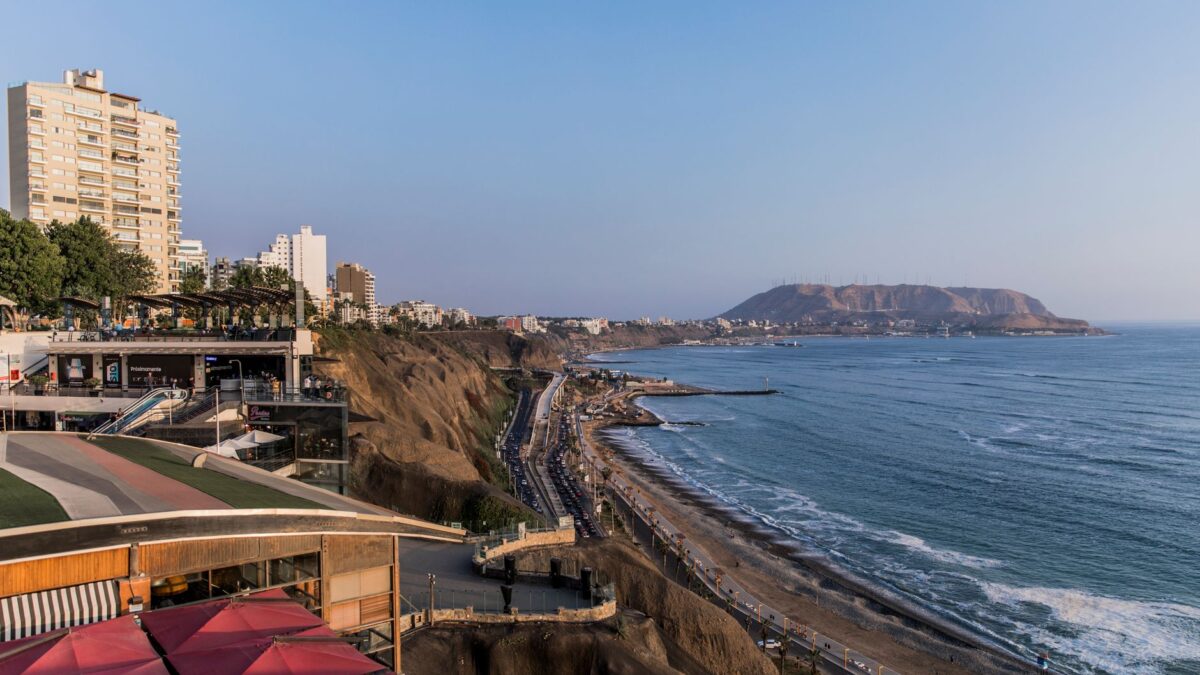
The fog hangs low over the Pacific this morning, a familiar gray blanket that softens the edges of Miraflores before the sun burns it off by noon. If you are arriving in Lima this September, you are stepping into one of the most temperate capitals on Earth. The air is crisp, hovering around 19–23°C, with light drizzle keeping the dust down and the city smelling of wet earth and roasted coffee. It is not the rainy season of the south, nor the peak heat of summer; it is the quiet, comfortable shoulder season where locals return to their routines and travelers can finally breathe.
Weather, Packing, and the September Rhythm
September in Lima is distinct. You will wake to the garúa, that persistent coastal mist, but by midday, the sky often clears to a piercing blue. For packing, leave the heavy winter coats at home. A light jacket or sweater is essential for the mornings and evenings when the temperature dips near 19°C, while t-shirts and light layers work perfectly for the afternoon warmth of 23°C. Bring an umbrella, not just for rain, but because the wind off the cliffs in Miraflores can be brisk.
This month is ideal for outdoor activities. The visibility is excellent for paragliding off the Miraflores cliffs, offering views of the Huaca Pucllana pyramid below without the haze of deeper winter. It is also prime time for walking the malecón (the seaside promenade) or hiking the trails toward the Nor Yauyos-Cochas reserve east of the city. If you plan to visit the Palomino Islands from Callao for sea lions and penguins, the seas are generally calmer now than in the depths of winter, making boat trips more pleasant.
Holidays, Events, and Local Pulse
As we move through September 2026, the city’s rhythm is dictated by a major national observance: the Fiestas Patrias, Peru’s Independence Day, celebrated on July 28th has passed, but the cultural echo remains strong in early autumn preparations. However, September brings its own local energy. The political mood in Lima is currently uneasy, with public debate dominated by concerns over rising crime and extortion following years of presidential turnover. While this affects daily life and police presence, it rarely disrupts tourism directly if you stay in well-patrolled districts.
In terms of events, look out for the ongoing exhibitions at the Museo de Arte de Lima (MALI) and the Central restaurant’s continued dominance in global dining lists—Central was named World’s #1 Restaurant in 2023 and remains a booking challenge. For a more grounded experience, the Circuito Mágico del Agua (Magic Circle of Water) in Parque de la Reserva offers nightly light-and-music shows, a popular evening escape for families and couples alike.
Be aware that some smaller museums or government offices may have reduced hours during any official holiday decrees, though September is largely a standard working month. The crowds are thinner than in October or November, meaning shorter lines at the Larco Museum and easier access to tables at top-tier cevicherías.
Cost of Living: What Your Money Buys Now
Lima’s economy is stable, with inflation holding at a low 1.5% and the nuevo sol (PEN) trading around 3.744 per US dollar. While rents have climbed above inflation—averaging S/1,200–2,500 for a modest one-bedroom outside the center—the cost of living for visitors remains highly favorable. Food is the standout value.
A typical menú del día (soup/salad + main + drink) at a local eatery costs between S/15 and S/17, roughly $4 USD. This is cheaper than cooking for many residents, and it is the best way to taste authentic lomo saltado or arroz con pollo. For a mid-range dinner for two at a restaurant like El Bodegón or Panchita in Miraflores, expect to pay around S/113 ($30). A plate of ceviche at a neighborhood spot runs S/25–35 ($8), a fair price for fresh seafood.
Transport is affordable and efficient. The Metropolitano BRT fare is S/3.20 for a troncal ride, while Metro Line 1 is just S/1.50. ATU is rolling out a unified Tarjeta Interoperable de Transporte (TIT) for S/7.50, which will soon allow seamless transfers across buses and metro. For short hops, a traditional taxi base fare is S/7–10, but app-based rides via Uber or Cabify are safer and clearer on price, starting around S/14. Avoid unofficial taxis at the airport.
District Guide: Where to Stay and Explore
Your choice of district defines your Lima experience. Miraflores is the tourist hub, safe and walkable, with Larcomar mall built into the cliffs and Parque Kennedy’s famous cat colony. Barranco, the bohemian arts quarter, is connected by a bridge and offers murals, the MAC museum, and vibrant nightlife on Bulevar Sáenz Peña. San Isidro is the financial heart, wealthier and quieter, home to top dining like Maido and Astrid y Gastón, plus the serene Parque El Olivar.
For history, head to Centro Histórico (Cercado de Lima). Here, you can explore the UNESCO-listed Plaza Mayor, the Lima Cathedral, and the eerie catacombs of the Monasterio de San Francisco. Pueblo Libre is essential for culture lovers, housing the world-class Larco Museum with its 45,000 artifacts and erotic pottery gallery. Callao, just north, offers the Real Felipe Fortress and easy boat access to the islands.
Practical Tips for Arrival
Visas: Most travelers from the US, Canada, UK, EU, Australia, and Latin America enter visa-free. Ensure your passport is valid for six months with two blank pages. Entry is recorded digitally via TAM Virtual at Jorge Chávez Airport, so no paper stamp is issued. Overstayers face daily fines.
Connectivity: Buy a prepaid SIM from Claro, Movistar, Entel, or Bitel at the airport or kiosks in Miraflores. You need your passport for registration. eSIMs are increasingly available and convenient.
Banking: Mobile wallets Yape (BCP) and Plin (Interbank/BBVA) are ubiquitous. While you can use cards at larger restaurants, carrying small cash for markets, taxis, and tips is wise. Full bank accounts require a Carné de Extranjería (foreigner ID), but tourists can manage with cards and cash.
Safety: Stick to Miraflores, Barranco, and San Isidro for walking at night. Use ride-hailing apps instead of hailing street taxis, especially near the airport in Callao. The emergency number is 911.
Peru in September is about comfort and clarity. The fog lifts, the prices remain friendly, and the city’s culinary soul is on full display. Enjoy the drizzle, embrace the menus, and let Lima reveal itself slowly.
Frequently asked questions
What is the weather like in Lima in September 2026?
Expect mild temperatures between 19–23°C with light drizzle in the mornings. The fog (garúa) usually burns off by midday, making it ideal for outdoor exploration.
How much does a typical meal cost in Lima this month?
A local menú del día costs about S/15–17 ($4 USD). A mid-range dinner for two is around S/113 ($30), and ceviche at a neighborhood spot is S/25–35 ($8).
Do I need a visa to enter Peru in September 2026?
Most US, Canadian, UK, EU, and Australian passport holders enter visa-free. Your passport must be valid for 6 months with 2 blank pages, and entry is recorded digitally.
Is it safe to walk around Miraflores and Barranco at night?
Yes, these districts are patrolled by tourist police and considered safe. However, always use ride-hailing apps like Uber rather than street taxis, especially near the airport.
How do I get around Lima efficiently in September?
Use the Metropolitano BRT (S/3.20) or Metro Line 1 (S/1.50). App-based rides are recommended for safety. ATU is rolling out a unified TIT card for easier transfers.
Things to do in Peru
 Anthropologist-Led Horseback: Moon Temple & Mysticism (Max 5)
 Food and Culture Full day Tour in the Sacred Valley
 4-Day Inca Jungle Trek to Machu Picchu: Biking, Rafting & Zipline
 The Textile Workshop Experience in Cusco Region
 Half Day Private Tour Machu Picchu Cusco Peru
 Likely to sell out
Machu Picchu Full Day Tour
Likely to sell out
Machu Picchu Full Day Tour