
Qatar etiquette: the dos and don’ts
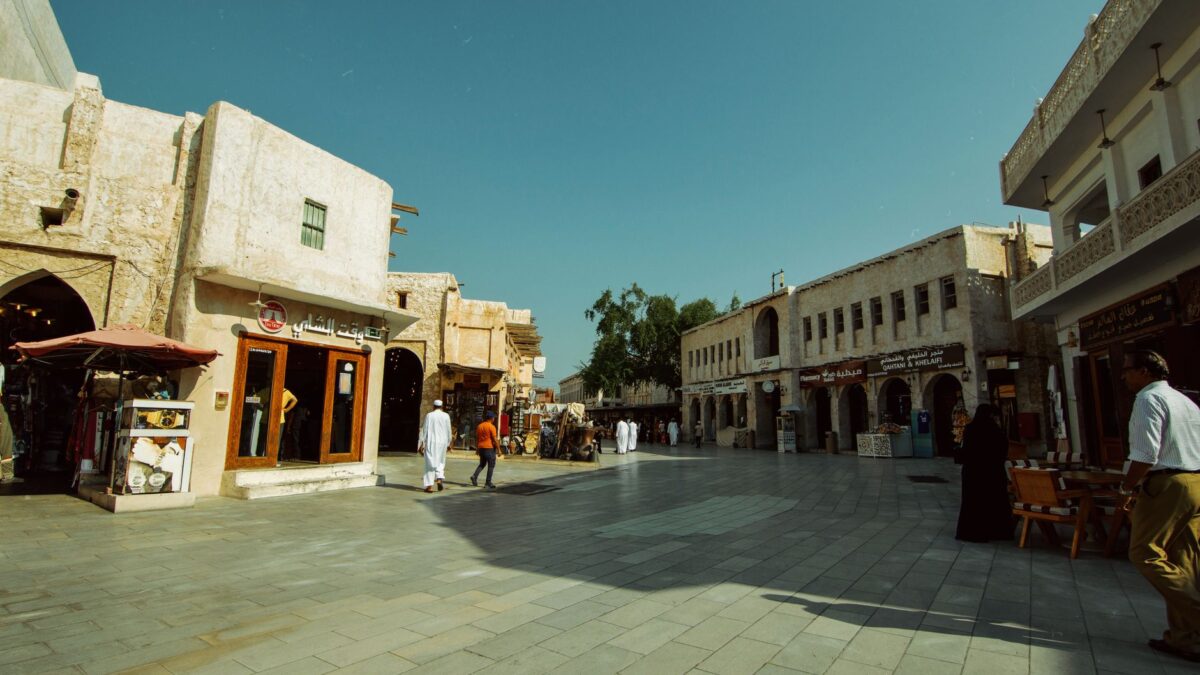
The air in Doha at 6 p.m. is a physical thing—thick, warm, and smelling faintly of dust and jasmine. You’ve just stepped out of the Souq Waqif’s shaded alleys, where the spice stalls glow like heaps of crushed jewels, and the falcon souq’s birds sit hooded and regal. A group of Qatari men in crisp white thobes pass you, laughing, and one pauses to let a child run ahead. You catch their eye, smile—and they nod back, warm as the evening. That’s the first lesson of Qatar: it’s not the heat that defines you here, but the consideration you bring. Let me walk you through the rest.
Greetings: The Art of the Salute
When you meet a local, the standard greeting is “As-salamu alaykum” (peace be upon you), answered with “Wa alaykum as-salam.” If the other person extends their hand, shake it—but never offer your hand to a Qatari woman unless she reaches out first. Many women prefer a verbal greeting or a hand-on-heart gesture: place your right palm over your chest and nod slightly. That same gesture works beautifully when you’re too far to shake or when hands are full of karak chai.
Men often follow the handshake with a touch of noses or a cheek-to-cheek brush—especially among friends. But you’re a visitor, so a simple, firm handshake with eye contact is perfect. Don’t be alarmed if the conversation pauses for a moment; Qatari small talk is slower, more deliberate. Ask about family and health, but never mention a man’s wife or daughter—that’s private. And if someone asks “How are you?” the reply is always the layered “Alhamdulillah, wa inta?” (praise God, and you?). Once you say that, you’re no longer a tourist—you’re a guest.
Dress: Modesty Is Your Armor
Doha’s dress code is practical and rooted in respect. For women: shoulders and knees covered when you’re in public—especially in souqs, mosques, and government buildings. A loose abaya isn’t mandatory; you’ll see plenty of stylish expats in maxi dresses and linen trousers. But if you’re visiting the Katara Mosque or the Blue Mosque, you’ll be asked to cover your hair and wear a full-length skirt or abaya (they provide them). For men: no shorts above the knee, no sleeveless shirts in cultural or religious spaces. At the beach or a hotel pool, swimwear is fine—but walk from the pool to your room covered up.
What about the heat? It’s brutal—33–40°C, feeling like 49°C with humidity. You’ll be tempted to shed layers, but most locals wear thin, long garments. Cotton and linen breathe. A loose scarf is your best friend: it shades your neck, covers your shoulders in a mosque, and doubles as a light blanket on air-conditioned metros—which run at a frosty 2 QAR (about $0.50) per ride, by the way.
Tipping: Small Tokens, Big Gratitude
Service charges are almost always included in the bill at restaurants, so tipping isn’t expected—but it’s appreciated. A 10% tip on a meal at a mid-range place (around 15 QAR on a 150 QAR dinner, roughly $4 on $40) is a lovely gesture. For hotel porters, 10–20 QAR (≈ $3–$5) per bag is kind. Taxi drivers? Round up to the nearest 5 QAR if you’re happy. Karak chai from a street stall? Go ahead and drop the extra 1 QAR (≈ $0.30) in the jar—it’s the happiest coin you’ll ever spend.
Dining Manners: Eat Like a Guest, Not a Tourist
You’ll likely be invited to share a meal—maybe a machboos (spiced rice and lamb, around 30 QAR ≈ $8 at a local spot) or a late-night karak chai (4 QAR ≈ $1.10) at the Souq Waqif’s tea stalls. The rules are simple:
- Always eat with your right hand— the left is considered unclean. Use bread or a spoon if you’re not used to it.
- When seated at a floor majlis, tuck your feet under you or sit cross-legged; don’t point the soles of your feet at anyone.
- Wait for the host to say “Bismillah” (in the name of God) before you start, and shout “Alhamdulillah” at the end.
- If you’re offered dates or Arabic coffee (gahwa)—a tiny cup of cardamom-infused brew with a date—accept it. It’s a ritual that says you’re welcome. To end, give the cup a little shake; that’s the signal for “no more”.
- Never pour your own water at a majlis—let the host pour. It’s a sign of respect to serve others first.
Alcohol? It’s heavily taxed and mainly available in licensed hotel bars and restaurants (a local beer costs around 40 QAR ≈ $11). Drinking in public is illegal, and if you’re over the limit, you’ll face serious consequences. Stay sober outside—it’s not worth it.
The Small Customs That Matter
You’ll notice shoes get left at the door of many homes and mosques. Always ask “Should I take my shoes off?”—if it’s a marble-floored villa with sand outside, the answer is almost always yes. When you enter a mosque, women must cover their hair and shoulders; men should wear long trousers. And in public, holding hands or a light touch between couples is fine—but kissing, even a peck on the cheek, is a no-go outside of private spaces or hotel clubs. Public displays of affection, especially prolonged, can offend locals and occasionally attract a fine.
Ramadan is not on right now (it’s August, and summer is scorching), but if you visit during the holy month, you’ll need to avoid eating, drinking, and smoking in public during daylight. In summer, the guidance is still: be modest, be patient, and don’t stare. A smile goes further than a hundred words.
Navigating the Social Map
Doha is a city of pockets. The Pearl-Qatar’s Qanat Quartier teems with expats and families—it’s where you’ll find a vibe that’s Mediterranean-meets-Doha. Msheireb Downtown is a heritage-quarter you can walk without breaking a sweat (the free tram helps). And Katara Cultural Village has a beach where locals picnic, a Blue Mosque that’s worth a photo, and an amphitheatre with water views. When you visit these places, you’ll see that the rules loosen by district—but the courtesy never does.
The Hala Summer Shopping Festival is on now across the malls—you might catch a raffle draw at Doha Festival City or a date-tasting at Souq Waqif’s Eastern Square, where the Local Dates Festival sells fresh, sticky harvest from Qatari farms. But remember: while you’re snapping Instagram shots, keep your camera away from women—local women may not want to be filmed. If you want a photo of a busy souq, focus on the architecture, not the people. Ask before any close-up, and you’re golden.
Final: When in Doubt, Do Less
Qatar is a paradox: hyper-modern, yet tradition-bound. The skyscrapers of West Bay cut the sky, but the call to prayer still echoes from five-thousand mosques. The National Museum’s desert-rose geometry tells a story of pearling and gas, yet the people you meet will ask about your family before your job. In this country, respect is the only currency that never devalues. So, when you’re not sure—don’t snap that photo, don’t offer that hand, don’t start your food before the host. Keep your left hand in your pocket, your right hand for shaking, and let the kindness flow naturally. That’s how you’ll leave Doha with not just memories, but a circle of new friends who’ll invite you back for machboos.
Frequently asked questions
What is the proper greeting in Qatar?
Use 'As-salamu alaykum' (peace be upon you) and answer with 'Wa alaykum as-salam.' Handshake is fine for men if the other party extends their hand, but never offer your hand to a Qatari woman unless she initiates—use a hand-on-heart gesture instead.
Is it okay to wear shorts in Doha?
For men, avoid shorts above the knee or sleeveless shirts in public areas, especially in cultural or religious sites. Women should cover shoulders and knees; at beaches or hotel pools, swimwear is fine, but cover up when walking through public spaces.
Do I need to tip in restaurants in Doha?
Most restaurants include a service charge, so tipping is not required, but round up or leave about 10% at sit-down restaurants. In hotels, 10–20 QAR per bag is a thoughtful tip for porters.
What should I know about eating etiquette in Qatar?
Eat with your right hand, wait for the host to start, and accept dates and Arabic coffee if offered. To signal you're done with coffee, give the cup a slight shake. Never pour your own drink—let the host pour for guests.
Can I drink alcohol in Doha as a tourist?
Alcohol is available only at licensed hotels and certain restaurants, and it is heavily taxed. A local beer can cost about 40 QAR (≈$11). Public drinking is illegal, and a 'zero-tolerance' policy leads to fines or jail, so keep consuming to your hotel or licensed venues.
Are there any customs I should know about mosque visits?
Take off your shoes before entering a mosque, and women must cover their hair and shoulders; men should wear long trousers. Modest dress is required, and be sure to ask before photographing anything, especially people.
Things to do in Qatar
 Doha Desert Safari Quad Bike Buggy Camel Ride and Inland Sea Tour
 Doha Private Half Day Desert Safari with Camel Ride & Inland sea
 City Tour and Desert Safari with Camel Ride and Sand Boarding
 6 Hours Private Full Day Tour in Doha
 Ultimate Qatar Desert Safari:ATV,Buggy ,Camel ride& Sandboarding
 Special offer
Doha: Half Day Desert Safari with Camel Ride and Inland Sea Tour
Special offer
Doha: Half Day Desert Safari with Camel Ride and Inland Sea Tour