

Romania etiquette: the dos and don’ts
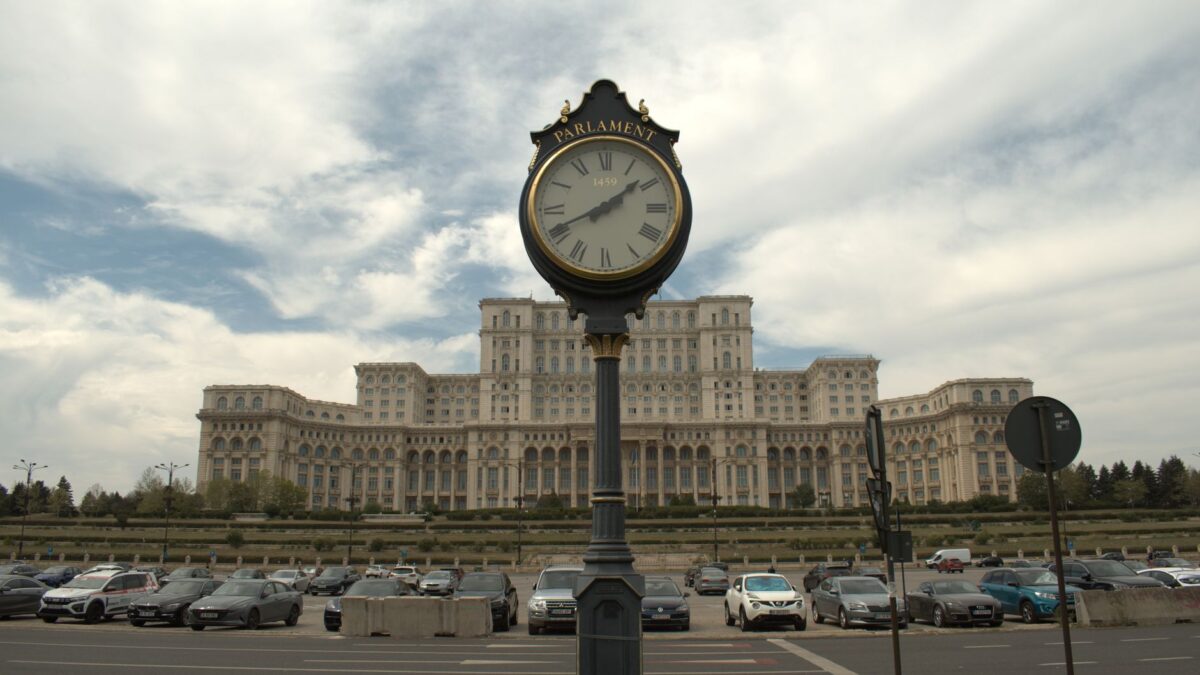
The grey dampness of a Bucharest November does not invite you to rush. At 4°C, with fog clinging to the cobblestones of Lipscani and darkness falling by late afternoon, the city slows down. You are walking past scaffolding for Christmas lights that have not yet lit up, navigating around tram-line rehabilitation on Bulevardul Unirii, or waiting for a metro ride that costs roughly 7 lei. This is not the Paris or London you might expect. It is a place of sharp contrasts: Belle Époque facades hiding Soviet-era concrete, ancient monasteries tucked behind modern glass towers, and a hospitality that is warm but deeply rooted in specific, unspoken rules. To navigate this intelligently, you must shed the hurried tourist mindset and adopt the local rhythm. Here is how to be a considerate visitor in Romania.
The Art of the Greeting
In Romania, formality is not stiffness; it is respect. When you enter a shop, a small café like Human Coffee, or even a bakery, do not assume invisibility grants you service. A simple “Bună ziua” (Good day) or “Bună” (Hi) is mandatory. If you are speaking English, start with it, but learning these two phrases signals that you acknowledge the host’s space. Eye contact is crucial. Romanians value directness and sincerity; avoiding eye contact can be interpreted as evasiveness or dishonesty.
Handshakes are the standard greeting in business and formal social settings. They should be firm but brief. In more casual environments, especially among younger crowds in Dorobanți or Grozăvești, a nod suffices. However, never assume familiarity. Do not hug or kiss on the cheek unless initiated by your Romanian friend. The initial barrier is polite, not cold. Once crossed, however, the warmth is genuine. Remember that punctuality is valued in professional contexts, but social gatherings often operate on a looser timeline. Arriving exactly on time for a dinner party can sometimes be seen as eager; arriving 15 minutes late is often acceptable, but being fashionably late beyond an hour is rude.
Dining and Tipping Culture
Romanian cuisine is hearty, seasonal, and deeply traditional. While I cannot recommend specific dishes without inventing facts, the culture of eating here revolves around community and generosity. If you are invited to a home, bring a small gift: wine, chocolates, or flowers. Avoid white flowers, which are reserved for funerals. When dining out, tipping is expected but not automatic. In mid-range restaurants, such as those in the upscale Floreasca area, leaving 10% is standard if service was good. For inexpensive local spots where a meal might cost around 35-45 lei, rounding up the bill or leaving a few lei is sufficient.
A critical etiquette point: do not split bills electronically at the table unless explicitly offered. Many older establishments still prefer cash. Always ask for the check separately if you want to pay individually, but be aware that some places may require one person to pay for the whole table first. When drinking alcohol, never pour your own drink at a shared table; wait for the host or the person pouring. Toasting is significant. Look everyone in the eye when clinking glasses. Skipping this step is considered bad luck and disrespectful. Also, note that smoking laws are strict in indoor public spaces, including many restaurants. Always look for signs or ask before lighting up.
Dress Code and Public Behavior
Bucharesters take pride in their appearance, particularly in central districts like Primăverii or near the Athenaeum. You do not need to dress formally to visit a museum or attend a concert, but neatness matters. Avoid wearing gym clothes or flip-flops in upscale venues, theaters, or fine dining establishments. The contrast between the historic center and the newer corporate zones like Pipera means you will see everything from business suits to streetwear, but looking put-together shows respect for the occasion.
When visiting religious sites, such as the Stavropoleos Monastery in the Old Town or any rural church, modesty is non-negotiable. Women should cover their shoulders and knees; men should remove hats. Phones must be silenced. This applies equally to the grand cathedrals and the humble village chapels you might visit during day trips. In public transport, offering your seat to the elderly, pregnant women, or people with disabilities is strongly expected. The integrated transit system, while efficient, can be crowded. Keep your backpack on your front in peak hours to avoid bumping into others, and keep voices low. Loud conversations or phone calls are frowned upon on buses and trams.
Navigating Customs and Practicalities
Romania has recently joined the Schengen area for air and sea travel, simplifying entry for many, but land border checks remain rigorous. Ensure your passport is valid and carry proof of accommodation. Inside the country, bureaucracy can seem dense. If you are staying long-term, registration with the General Inspectorate for Immigration (IGI) is mandatory for non-EU citizens within 30 days of arrival. Locals take this seriously; do not skip it. For short stays, simply enjoy the visa-free tourism allowance.
Cash is still king in many smaller businesses, markets, and rural areas. While cards are widely accepted in Bucharest’s main attractions and larger chains, having lei in hand is essential for tips, small purchases, or emergencies. Use ATMs from major banks like Banca Transilvania or ING Bank to avoid high fees. Be cautious of street touts, especially in the Old Town after midnight. Stick to app-based rides like Bolt or Uber rather than hailing cabs on the street to avoid overcharging. Safety is generally high, but stay alert in crowded areas and be wary of unofficial tour guides who approach you aggressively.
Finally, engage with the local arts scene. Romania has a vibrant cultural life, from the UNDERCLOUD theatre festival to contemporary dance at the National Dance Centre. Attending these events shows support for local artists and provides a deeper connection to the country’s creative spirit. Whether you are watching a play in a repurposed industrial space or listening to classical music at the George Enescu Philharmonic, participating actively enriches your experience. Respect the silence before performances and applaud genuinely. These small acts of cultural appreciation bridge the gap between visitor and guest, allowing you to truly belong, if only for a moment, in this resilient, beautiful corner of Europe.
Frequently asked questions
Is tipping expected in Romanian restaurants?
Yes, tipping is customary. In mid-range restaurants, leaving 10% is standard for good service. In cheaper local eateries, rounding up the bill or leaving a few lei is appreciated.
What should I wear when visiting churches in Romania?
Modesty is required. Women should cover shoulders and knees, and men should remove hats. Silence your phone and follow any specific instructions from ushers.
How do I greet people professionally in Bucharest?
Use a firm handshake and maintain eye contact. Start with 'Bună ziua' (Good day). Formality is valued initially, so reserve hugs for close friends.
Is it safe to use taxis in Bucharest?
Street-hailing taxis can be risky due to overcharging. It is safer to use app-based services like Bolt or Uber, which provide upfront pricing and driver details.
Do I need cash in Romania given card acceptance?
While cards work in most cities, cash (lei) is essential for small vendors, markets, tips, and rural areas. Keep some currency on hand for flexibility.
Things to do in Romania
 Bucovina Painted Monasteries Day Tour
 Timisoara All in One - Walking and Tram Tour
 Private Walking Tour: Essential Bucharest + Hidden Gems
 Special offer
Contrasts of Communism - Small Group Walking Tour in Bucharest
 Bran (Dracula) Castle, Bear Sanctuary, Rasnov Fortress & Palinca Distillery
 Private Tour to Dracula's Castle, Peles Castle from Bucharest