

Rwanda etiquette: the dos and don’ts
The air in Kigali has a specific texture right now. It is mid-September, and the long dry season is finally exhaling. The hillsides, usually dusted with a fine, hazy ochre, are just beginning to green up as the first scattered showers of the short rains start to fall. If you are standing near Kimihurura or walking through Nyamirambo, you can feel the shift: the humidity rises, the light softens, and the city slows down just enough for you to notice the rhythm of daily life. Rwanda is often called the Land of a Thousand Hills, but it is better understood as a place of thousand small courtesies. To visit here is to enter a social contract based on respect, order, and warmth. Here is how you honor that contract.
The Art of the Greeting
In Kigali, you do not walk past people; you acknowledge them. The most fundamental etiquette rule is simple: never pass someone without saying hello. A nod is too casual; a smile is necessary but insufficient. Use Amakuru? (“How are you?”) or simply Muraho. When you stop to chat, expect questions about your family, your journey, and your health. This is not small talk; it is a recognition of shared humanity. In neighborhoods like Nyarutarama, where expats and locals mix freely, this exchange happens at bus stops and market entrances alike.
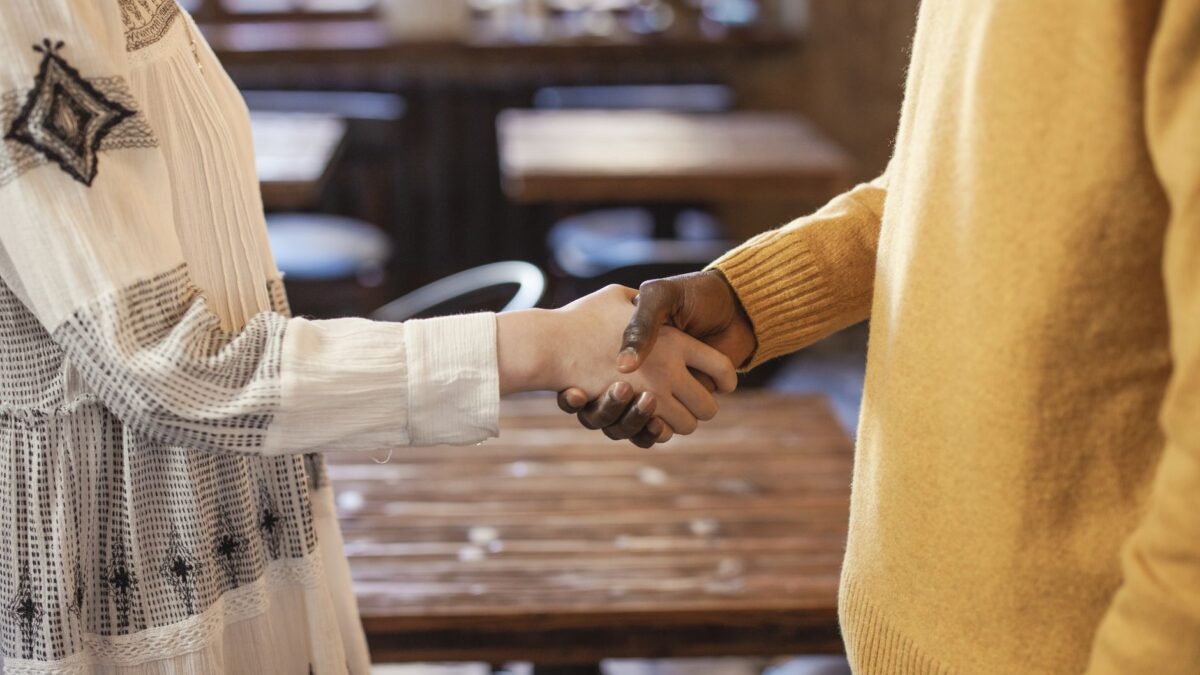
If you are invited into a home, especially in older quarters like Kacyiru or the diplomatic zones, take off your shoes before entering. It is a sign of humility and cleanliness. When shaking hands, use your right hand, but keep your left hand resting gently at your side or on your own arm—a gesture that signifies sincerity. Do not rush the greeting. Locals value presence over punctuality in social settings, even if business meetings in Kigali’s modern conference districts run on strict time.
Dining and Drinking with Respect
Rwandan hospitality is generous, but it comes with unspoken rules. If you are eating from a communal bowl, which is common in traditional homes or rural visits, always eat from the section directly in front of you. Reach across the bowl or dig to the far side is considered rude. Wash your hands thoroughly before the meal, as many dishes are eaten with fingers rather than utensils. Carry wet wipes or a small towel in your day bag—your future self will thank you.
When dining out, perhaps at a spot like Boho Restaurant or Le Petit Chalet, tipping is appreciated but not aggressive. A 10% tip is standard if service isn’t included. For street food, such as goat brochettes in Nyamirambo or chapatis from a roadside stall, rounding up the bill or leaving small change is the norm. You might spend around 800–1,500 RWF for a skewer, so keeping small notes handy is practical and polite.
Alcohol is consumed socially, but moderation is key. If you drink Primus or Mutzig beer, wait for everyone to be served before taking your first sip. Never refuse a drink offered by an elder without a gentle excuse; a simple “I am driving” or “I have an early start” is sufficient. In upscale areas like Kiyovu, where colonial-era architecture meets modern dining, dress codes are slightly more formal, but smart-casual is almost always acceptable.
Dress Code and Public Conduct
Rwanda is tidy, orderly, and conservative in public expression. While Kigali is cosmopolitan, revealing clothing can draw unwanted attention or be seen as disrespectful, particularly outside tourist enclaves. Modest attire is preferred: covered shoulders and knees are safe bets. This is especially true when visiting religious sites or government buildings. The plastic-bag ban, enforced since 2008, is strictly observed. Carry reusable bags everywhere; bringing plastic bags into the country can result in confiscation at Kigali International Airport, and shops will politely decline to provide them.
Photography is generally welcomed, but there are hard lines. Never photograph military installations, police stations, embassies, or government ministries. These are located in sensitive zones like Kacyiru and Kanombe. If you are unsure, ask permission first. In places like the Kigali Genocide Memorial, photography is prohibited entirely inside the exhibition halls. Silence and solemnity are required here. Allow yourself two to three hours for this visit; it is not a museum to be rushed. The mass graves and permanent exhibitions demand a respectful pace. Donations are welcome, roughly 5,000 RWF, though entry is free.
Navigating Money and Markets
Rwanda is moving rapidly toward a cashless society, but cash remains king in informal sectors. The Rwandan franc (RWF) is your currency. For visitors, mobile money is indispensable. Set up MTN MoMo or Airtel Money immediately upon arrival. You will need your passport for SIM registration. Shopkeepers, moto-taxi drivers, and even some landlords prefer mobile payments. It is safer and faster than carrying large amounts of cash.
At markets like Kimironko, bargaining is expected. Start at half the asking price and negotiate with a smile. Bring small denominations; vendors often lack change for large bills. Be aware that prices fluctuate with fuel costs and inflation, so verify rates before committing. For instance, a local lunch buffet at a modest restaurant might cost between 2,500 and 5,000 RWF, while a cappuccino at a café like ONECUP Coffee House could be around 3,500 RWF. Understanding these ranges helps you budget respectfully without being overly frugal in a way that insults the vendor’s effort.
The Spirit of Umuganda
On the last Saturday morning of every month, Kigali changes. Traffic ceases. Shops close. This is Umuganda, a mandatory community work day rooted in pre-colonial tradition but revitalized by the post-genocide government. Everyone works together on cleaning streets, repairing infrastructure, or planting trees. As a visitor, you are exempt from participating, but you must respect the pause. Do not drive unless absolutely necessary. Do not complain about closed businesses. Instead, observe. Walk through neighborhoods like Nyabugogo or Gisozi and see the collective energy. It is the heartbeat of Rwandan civic pride. Joining in, if invited, is a profound way to connect, but never force it.
Rwanda is a country that values harmony above all else. By observing these small customs, you do more than avoid offense; you open doors to genuine connection. The Rwandans are eager to share their resilience, their beauty, and their warmth with those who approach them with an open heart and a mindful spirit.
Frequently asked questions
What should I wear in Kigali?
Dress modestly with covered shoulders and knees, especially outside tourist areas. Smart-casual is acceptable in restaurants, but avoid revealing clothing in public spaces.
Is tipping expected in Rwanda?
Tipping is appreciated but not mandatory. 10% is standard in restaurants if service isn't included. Rounding up bills or leaving small change is common for street food and taxis.
Can I take photos of government buildings?
No. Never photograph military installations, police stations, embassies, or government ministries. This is strictly enforced for security reasons.
What is Umuganda and do I have to participate?
Umuganda is a monthly community work day on the last Saturday. Visitors are exempt from working but must respect the closure of services and traffic restrictions.
How do I pay for things in Kigali?
Mobile money (MTN MoMo/Airtel Money) is widely used and often preferred. Cash (RWF) is still needed for markets and small vendors. Carry small denominations.


