

Rwanda in August 2026: what travelers should know now
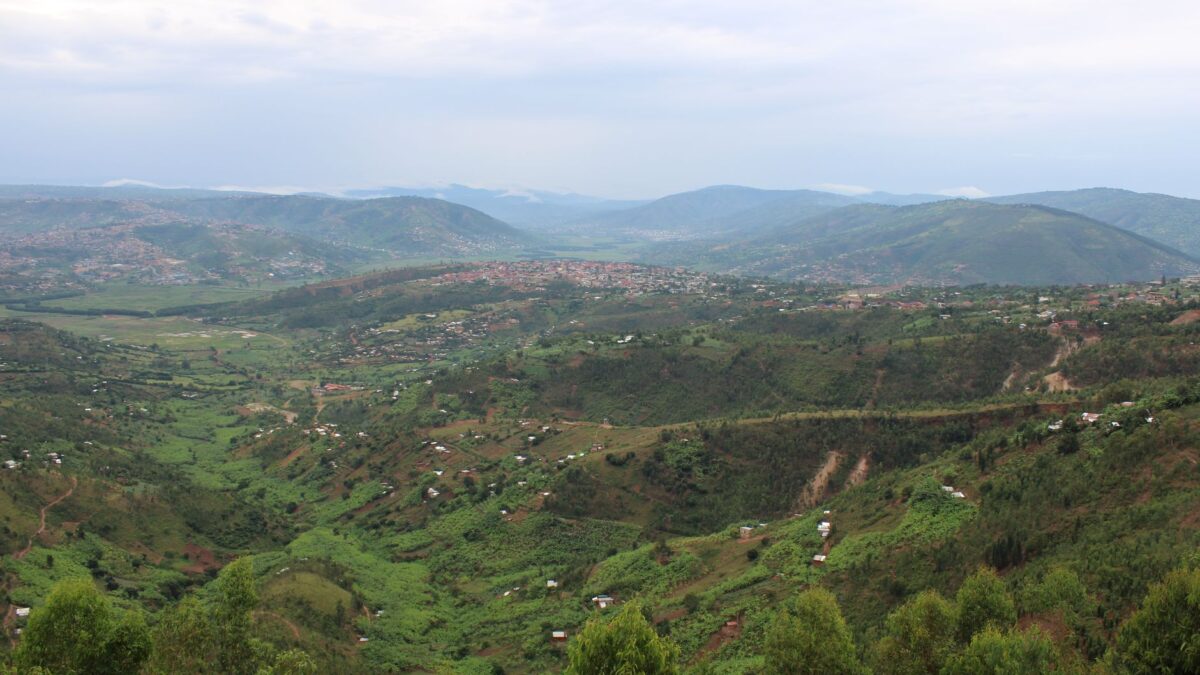
August in Kigali is a month of two moods. The school holidays are winding down, the dry-season sun lingers until late afternoon, and the city feels like it’s holding its breath before the September rush. As of today, August 22, 2026, the weather is a comfortable 16–29°C with overcast skies and light rain expected later — but don’t let the clouds fool you. The Umuganura harvest celebrations have filled the markets with maize, beans, and bananas, and families are out in force at weekend events. This is a city transitioning from holiday mode to back-to-school, and if you’re arriving now, you’re catching Kigali at its most vibrant, affordable, and surprisingly calm.
Weather & What to Pack
Late August in Kigali is the tail end of the dry season, but the forecast for this week shows overcast skies and a chance of light rain — so pack for both sun and a sudden shower. Daytime highs hover around 29°C, dropping to a pleasant 16°C at night. You’ll want light, breathable clothing for the day, a light jacket or sweater for evenings, and an umbrella or a compact rain shell just in case. The sun is strong when it’s out, so sunscreen and a hat are non-negotiable. And remember: Rwanda enforces a nationwide plastic-bag ban, so bring a reusable tote for shopping and snacks.
This Week’s Events & Happenings
If you’re in Kigali this weekend, you’re in luck. Round 3 of the Rwanda Motorcycle Championship (Umuko Enduro Challenge) races at Umuko Lodge on Lake Muhazi on Saturday, August 22, with free spectator entry from 8am to 3pm and an after-party. It’s a great day trip — about an hour east of the city — and a fun way to see the countryside and meet locals. Meanwhile, the Back to School Bash, a three-day family event with bouncing castles, foam parties, and a petting zoo, is taking over the Zaria Court courtyard through Sunday, August 23. If you’re traveling with kids, this is the perfect way to end the holidays.
Looking ahead, the I Am Hip Hop Festival returns as a regional East Africa edition (Rwanda, Uganda, Burundi) at the French Institute of Rwanda on August 28–29, with live rap, breakdancing, and graffiti. It’s a headline event for anyone interested in the region’s contemporary culture. Also, the Africa Water & Sanitation Systems Leadership Symposium wraps up today at the Kigali Convention Centre — so you may have noticed extra security and delegate traffic around Kimihurura this week. That will ease off by the weekend.
What’s Happening in the City Right Now
One thing you should know: Kigali is currently facing a citywide water crisis, with taps running dry in several areas including Kanombe, Ndera, Nyarugunga, Busanza, Kabeza, Rubirizi, Karama, Runda, and Rugalika. The water utility WASAC issued a public apology on Friday, August 21, and residents in affected areas are paying about 500 RWF per jerrycan for bought water. If you’re staying in a hotel or guesthouse, this shouldn’t affect you much — they have backup supplies — but if you’re renting an apartment or using a homestay, it’s wise to stock bottled water and ask your host about the situation. For context, a liter of milk costs about 1,100 RWF, so the water price is noticeable but not extreme.
Also making local headlines: Kigali police arrested a man and 14 others in Kimisagara in a nationwide “begging scam” where people were made to look terminally ill at markets to collect donations. It’s a story locals are talking about, so don’t be surprised if you see fewer people asking for money at busy intersections. Stay compassionate but informed — if you want to give, do so through vetted charities.
Costs & Crowds: What to Expect
August is a pleasant time to visit — not peak tourist season (that’s December and June-July), but not dead either. The school holidays mean more local families are out at attractions, but overall you’ll find reasonable prices and manageable crowds. Eating out remains a bargain: a filling lunch buffet at an inexpensive local place — rice, beans, plantains, meat — runs about 2,500–5,000 RWF (around US$3). A samosa from a bakery will set you back 300–1,000 RWF, and a plate of local food at the car-free street-food zone in Nyamirambo costs about 1,500 RWF. For splurges, a mid-range restaurant meal is around 15,000–20,000 RWF per person, and a cappuccino averages 3,300 RWF.
Accommodation is where you’ll feel the pinch. A modest one-bedroom flat rents for 200,000–400,000 RWF per month (about US$230), and rents have been climbing as the city grows. For short stays, a budget guesthouse is around 20,000 RWF per night, and you can find comfortable option starting at the STAYKIGALI or SKYLIGHT MOTEL — both are real, locally known spots. Getting around is cheap: a single bus fare with the Tap&Go card is 200–600 RWF, and a moto-taxi through apps like Yego or SafeMotos is the fastest way to beat traffic.
Practical Tips for Arriving This Month
Visa & entry: Visa on arrival is available at Kigali International Airport for all nationalities — 30-day single entry is US$50, multiple entry US$70 for 90 days. Citizens of African Union, Commonwealth, and La Francophonie countries get a free 30-day visa, and EAC citizens get 6 months free. Apply online via irembo.gov.rw if you prefer to have it sorted in advance. Your passport must be valid for at least six months, and a yellow fever certificate is required if you’re coming from a risk area.
SIM card: Get a local SIM from MTN or Airtel at the airport — registration with your passport is mandatory, and 4G coverage in Kigali is excellent.
Money: The Rwandan franc (RWF) is trading around 1,318 per US$ (as of 2024, roughly stable). Mobile money (MTN MoMo and Airtel Money) is the default for daily payments — set it up with your SIM and you’ll be able to pay at markets, street stalls, and even some restaurants. Banks like Bank of Kigali, Equity, and I&M are easy to use with your passport.
Stay cool about the water: As noted, potable water is an issue in some areas. Always ask your accommodation if they have a reliable supply, and carry a refillable bottle — you can buy purified water in most supermarkets.
Respect the rhythm: Kigali is one of Africa’s safest and most orderly cities, and that’s partly due to community effort like Umuganda (the monthly cleanup) and the plastic-bag ban. Follow the rules, smile, and you’ll find Rwandans incredibly welcoming.
Whether you’re here for the motorcycle races, the hip-hop festival, or just to explore the hills of Kigali — this is a city that rewards curiosity. Enjoy the season’s fresh produce, the evening breeze, and the buzz of a place on the move.
Frequently asked questions
Is it safe to drink tap water in Kigali right now?
As of this month, there's a citywide water crisis affecting several areas like Kanombe and Ndera, so tap water is not reliable. Use bottled or purified water for drinking and brushing teeth. Your hotel or guesthouse should provide safe water, but if you're in self-catering accommodation, stock up.
What are the visa requirements for entering Rwanda in August 2026?
Visa on arrival is available for all nationalities: 30-day single entry is $50, multiple entry is $70 for 90 days. African Union, Commonwealth, and La Francophonie citizens get a free 30-day visa. Apply online via irembo.gov.rw for convenience. Passport must be valid 6+ months, and yellow fever certificate is required if arriving from a risk area.
What's the weather like in Kigali at the end of August?
Expect daytime highs around 29°C and nighttime lows near 16°C, with overcast skies and a chance of light rain. It's the end of the dry season, so pack light layers, an umbrella, and sunscreen.
Are there any festivals or events happening in Kigali this week?
Yes! The Umuko Enduro Challenge motorcycle race is on August 22 at Lake Muhazi, and the Back to School Bash runs through August 23 at Zaria Court. The I Am Hip Hop Festival (East Africa edition) is coming up on August 28-29 at the French Institute.
How much does a meal cost in Kigali in 2026?
A filling lunch buffet at a local place costs about 2,500-5,000 RWF (US$3). A mid-range restaurant meal is around 15,000-20,000 RWF per person. Street food like samosas or brochettes is even cheaper, about 300-1,000 RWF.


