

Senegal in November 2026: what travelers should know now
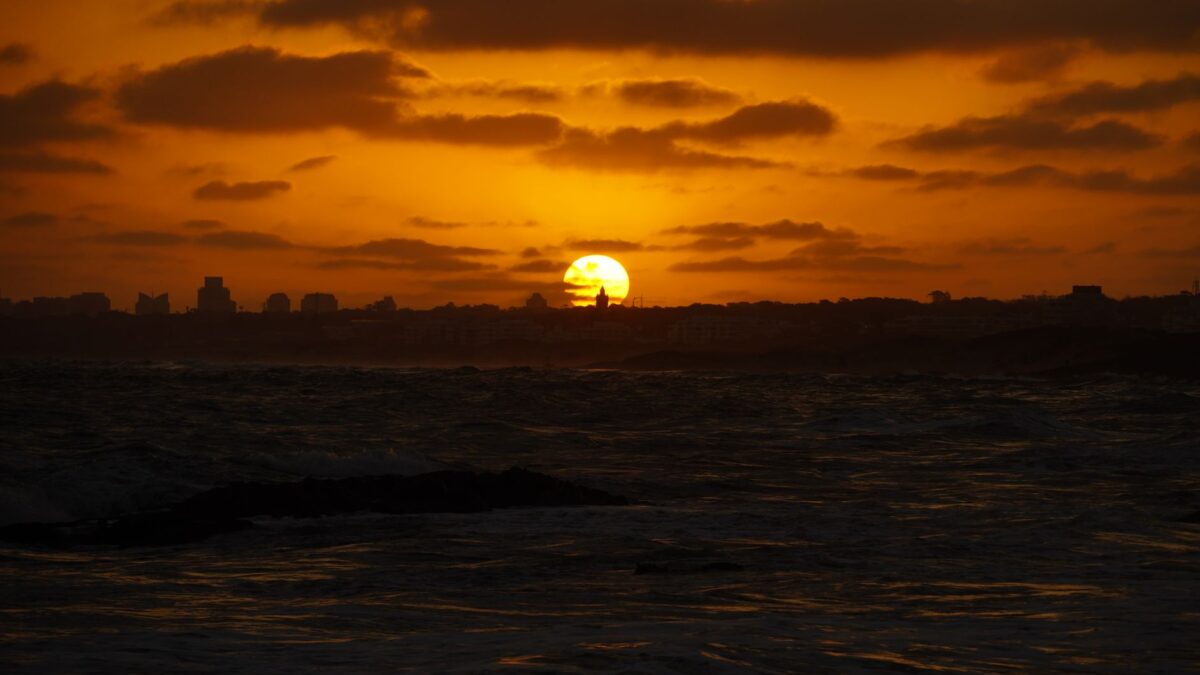
The air in Dakar this November still carries the heavy, wet breath of the rainy season, but if you stand on the Corniche at dawn, you can feel the shift. The humidity is breaking just enough to let the Atlantic breeze cut through, and the city is vibrating with a energy that has nothing to do with the usual morning rush. As of today, November 1st, Senegal is holding its breath for a historic moment: the Dakar 2026 Youth Olympic Games have officially begun, transforming our capital into the heart of African sport.
If you are arriving now, or planning your trip for the coming weeks, you are stepping into a city that is simultaneously celebrating global youth culture and preparing for one of its own most significant artistic milestones. This is not the quiet Dakar of guidebooks from five years ago; it is loud, crowded, and electrically alive. Here is what you need to know right now to navigate these next few weeks without losing your cool—or your luggage.
Weather: Riding the Tail of the Hivernage
Technically, we are at the tail end of the hivernage (the rainy season). Today’s forecast shows temperatures between 27°C and 31°C, but the humidity makes it feel closer to 36°C. You will likely encounter light drizzle, which is typical for early November before the dry harmattan winds finally sweep in later this month.
Pack for transition. Bring lightweight, breathable linen or cotton—something that dries quickly if caught in one of those sudden, warm downpours. A compact umbrella is essential, not just for rain, but for the intense midday sun that breaks through the clouds. Comfortable walking shoes are non-negotiable; the pavement can be slick, and the crowds are dense. If you are sensitive to heat, plan your outdoor activities for early morning or late evening. The afternoon heat, combined with the crowd density, can be overwhelming.
The Games Are On: Navigating Traffic and Events
The biggest story in Dakar right now is the Youth Olympic Games, running from October 31st through November 13th. This is the first Olympic event ever held on African soil, and the infrastructure changes are immediate and strict. If you are visiting during this window, you must understand the new mobility rules.
Traffic management is aggressive. The Corniche Ouest is closed in both directions from 06:00 to 16:00 on specific dates (including November 7, 8, and 10) to accommodate road races. In the Médina district, Rue 11 is reserved exclusively for accredited buses, and the Tour de l’Œuf area has been pedestrianised. If you are staying in regulated perimeters around Iba Mar Diop, Point E, or Diamniadio, residents need an access vignette from their local mairie, though tourists generally do not need this unless driving.
How to get around: Do not rely on informal taxis during peak event hours; they are often diverted or stuck. Use the dedicated shuttle network with eight departure points operating from 06:30 to 22:00, tracked via the ‘CETUD Mobilités’ app. Alternatively, use the TER regional express train. It is reliable, modern, and runs directly to Blaise Diagne International Airport (AIBD), making it the smartest way to reach venues in Diamniadio or Saly. A second-class ticket costs about 500–1,500 XOF (approx. $1 USD).
While the competitions dominate the headlines, don’t miss the cultural side. There is a free programme on the Corniche near Place du Souvenir Africain featuring nightly concerts of reggae, hip-hop, jazz, and afro-beats, plus slam poetry and fashion shows. It’s a fantastic, low-cost way to soak up the atmosphere.
Crowds, Costs, and the Dak’Art Preview
November is typically a shoulder season, but this year it feels like peak. Hotels are booked solid, taxi drivers are selective, and prices for accommodation have spiked due to the Games. However, food remains incredibly affordable. A plate of thiéboudienne (rice and fish) at a local gargote costs only 1,500–2,500 XOF (about $3 USD), while a meal at a mid-range restaurant might run 5,000–15,000 XOF ($16 USD). Street snacks like fatayas are roughly 500 XOF ($0.80 USD).
As the Games wind down on November 13th, the spotlight shifts immediately to art. The 16th Dakar Biennale of Contemporary African Art (Dak’Art) opens on November 19th. Themed (Anti)fragilité : arts de la réparation et stratégies du contrecoup, it features the Democratic Republic of Congo as guest country. Galleries in Plateau and the old Palais de Justice area are already in installation mode. If you arrive after November 13th, you are perfectly timed to catch the post-Games calm followed by the vibrant opening of the Biennale.
Practical Tips for Right Now
Visas & Entry: Citizens of the EU, US, Canada, Brazil, Japan, and many African states enjoy visa-free entry for up to 90 days. Ensure your passport is valid for six months and carry your yellow-fever vaccination certificate. Note that some nationalities, such as Italians, may now require an e-Visa due to reciprocity measures introduced in 2025. Check current rules before flying.
Money Matters: Cash is king, but mobile money is queen. Carry West African CFA francs (XOF). While banks like CBAO, Ecobank, and Société Générale are open, withdrawing cash can be slow. Most daily transactions—from taxi fares to market purchases—are done via Orange Money, Wave, or Free Money. Keep small bills for street vendors.
Safety & Scams: Dakar is stable, but pickpocketing is common in crowded areas like Sandaga Market, Médina, and along the Corniche. Be vigilant with bags. At night, avoid walking alone in isolated areas and use licensed taxis or ride-hailing apps. The biggest risk here is actually traffic; drive carefully and respect local road norms.
Districts to Know: Stay in Plateau for business and colonial architecture, Médina for spiritual depth and markets, or the Almadies (Ngor/Ouakam) for upscale dining and nightlife. The African Renaissance Monument in Ouakam offers panoramic views, while the Museum of Black Civilisations in Plateau provides crucial historical context.
This November, Senegal is showing off its resilience and joy. Embrace the chaos, eat well, and witness history in the making. Jérémissé (welcome).
Frequently asked questions
Is Dakar safe to visit during the Youth Olympic Games?
Yes, Dakar is comparatively stable, but expect heavy traffic and crowds. Use the official shuttle networks or the TER train to avoid congestion, and stay vigilant against pickpocketing in busy areas like the Corniche and markets.
What is the weather like in Dakar in early November 2026?
It is the tail end of the rainy season (hivernage). Expect highs of 31°C with high humidity (feels like 36°C) and occasional light drizzles. Pack light, breathable clothing and a compact umbrella.
How do I get to the Olympic venues in Diamniadio from the airport?
The most reliable option is the TER Train Express Régional, which runs directly from Blaise Diagne International Airport to Diamniadio. Tickets cost approximately 500–1,500 XOF for second class.
Do I need a visa to enter Senegal in November 2026?
Citizens of the US, EU, Canada, Brazil, Japan, and many African nations do not need a visa for stays under 90 days. However, check for recent reciprocity changes (e.g., for Italian citizens) and always carry your yellow-fever vaccination certificate.
When does the Dakar Biennale (Dak'Art) start in 2026?
The 16th Dak'Art opens on November 19, 2026, immediately following the conclusion of the Youth Olympic Games. It features the theme '(Anti)fragilité' and highlights the Democratic Republic of Congo.
Things to do in Senegal
 7 Days in Senegal Private Tour package
 Gorée Island - Pink Lake excursion 2 persons minimum
 Senegal private tour 7 days 6 nights-minimum 2 people to book it
 2 days Joal Fadiouth and Saloum Delta Private Tour package
 Private Tour: Kedougou, Senegal
 Dakar Gorée scooter immersion between sea faith and daily life