
Serbia etiquette: the dos and don’ts
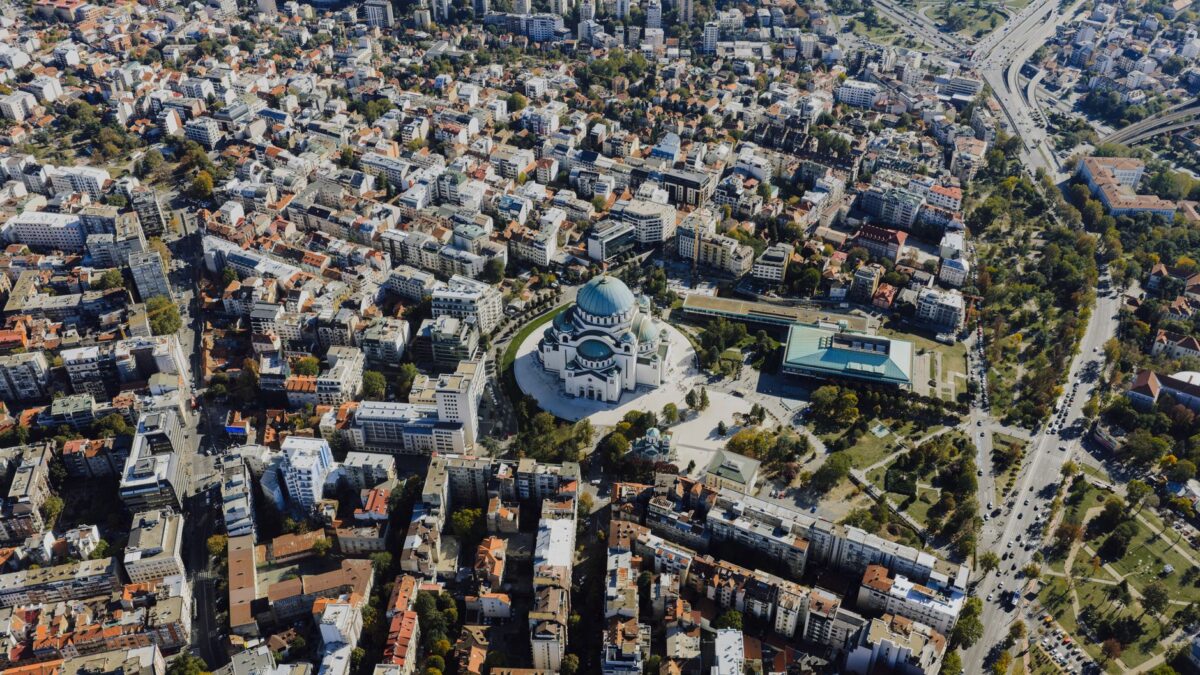
It’s mid-August and the asphalt on Knez Mihailova radiates heat even after sunset. The air smells of grilled meat, sunscreen, and dust from the Danube’s exposed banks—this year’s drought has dropped the river so low that old barges sit tilted on mud flats near Ušće. You’ve just landed in Belgrade, and within an hour you’ll be offered a shot of rakija by a stranger who calls you “friend” before learning your name. Here’s how to return that kindness without stepping on local toes.
Greetings: The Art of the Triple Kiss and the Firm “Zdravo”
When you meet a Serb, expect a firm handshake with direct eye contact. Among friends and family—and once you’ve been introduced socially—the triple kiss (left, right, left) is standard, but it’s not for strangers. If you’re a man meeting a woman for the first time, let her extend her hand first; it’s a subtle sign of respect. Use “zdravo” (hello) for casual, and “dobro veče” (good evening) after dark. Don’t be offended if your host calls you “bre” (a friendly, informal vocative) or uses your first name almost immediately—that’s warmth, not familiarity that oversteps.
Address older people with “gospodin” (Mr.) and “gospođa” (Mrs.) until invited to use their first name. Titles matter: if someone has a PhD or is a doctor, use “doktor” as a prefix. And never—ever—call a Serb “Slavic” generically; they’re proudly Serbian, and the distinction between Serbs, Croats, and Bosniaks is culturally loaded, even if it’s not political in your context.
Tipping: Round Up, but Don’t Overdo It
Tipping is appreciated but not mandatory. In a casual kafana, rounding up to the nearest 50 or 100 RSD is fine (a cappuccino costs about 260 RSD, so you’d leave 300). In a mid-range restaurant, 10% is a generous and welcomed gesture, but it’s not expected to be 20% like in the US. For a good taxi ride, round up to the nearest 50 RSD (base fare starts at around 270 RSD).
Important nuance: If you pay by card, ask to add a tip (“možete li dodati napojnicu?”) because many terminals don’t have a tip option. Otherwise, leave cash on the table. And don’t tip the host who seats you—only the server who takes your order. If you’re at a festival like Belgrade Beer Fest (which opens at Ušće in mid-to-late August), tipping is virtually nonexistent; just enjoy the cheap draft beer (about 300 RSD).
Dining Manners: Bread, Rakija, and the Right Way to Say “Živeli”
In Serbia, bread is sacred. Always break it with your hands, never cut it. When you’re a guest, the host will offer bread first—accept it and thank them, because refusing can be seen as a rejection of hospitality. The same goes for rakija: if you’re offered a shot at the start of a meal (and you will be), take it, raise your glass, and say “živeli” (to life) before drinking. It’s impolite to turn it down without a toast—even a small sip counts.
Meals are communal. If you’re at a traditional restaurant like Zavičaj Balkanska, expect to share appetizers (meze) and grilled meats. Wait for the host to say “prijatno” (enjoy) before digging in. When you’re finished, place your knife and fork parallel on the plate—that’s the universal sign you’re done. Don’t ask for a doggy bag; it’s not common, and it can be seen as implying the portion was too big.
One more thing: if you’re invited to someone’s home, bring a small gift—flowers (odd number, never even) or a bottle of quality wine. When you arrive, take off your shoes unless your host says otherwise. And at the end, always thank the host with “hvala na gostoprimstvu” (thanks for hospitality)—it goes a long way.
Dress and Demeanor: Casual, But Not Sloppy
Belgrade is a city that dresses to impress, even casually. During the day, you’ll see people in stylish denim and linen shirts; in the evening, women wear heels and men ironed shirts. For a visit to a top-tier restaurant like Two Kings Restaurant by Hilton, smart casual is required—no shorts or flip-flops. For festivals like Kozmaj Fest (on Mt. Kosmaj, just outside the city, August 14–15), wear comfortable shoes you don’t mind getting dusty, but still avoid ripped athletic wear if you’re going to a bar after.
When entering a church (like any Orthodox temple), dress conservatively—shoulders and knees covered. Men should remove hats, and women can wear scarves, but it’s not strictly required. Photography is usually allowed in courtyards but not inside; look for signs or ask a local guide. And always respect that religion is a sensitive topic; avoid joking about it.
Public behavior is friendly but not overly touchy. It’s fine to raise your voice in a kafana, but not to argue aggressively. Serbians are direct, but they appreciate politeness: use “izvoli” (here you go) when handing something, and “hvala” often. A smile goes a long way, but don’t smile at strangers on the street without a reason—it can seem insincere.
Small Customs That Matter: From the Pavement to the Party
Here are the details that mark you as a considerate visitor:
- Public transport is free since January 2025, so you can hop on any bus, tram, or trolley without a ticket—but do let people exit before you board, and give up your seat for the elderly or pregnant women. The famous 26 and 26N lines are rerouted until August 21 due to construction on Ulica Peke Pavlovića on Voždovac, so check the posted signs.
- When crossing streets, don’t jaywalk unless locals do. They do, but only after checking. Keep a hand near your wallet on crowded buses; pickpocketing is rare but not zero.
- Nod when you catch someone’s eye in a small shop or café—it’s a polite acknowledgment. But don’t use the “OK” hand gesture (thumb and index finger); it’s considered rude in the Balkans, implying “you’re a zero.”
- Be careful with coffee: espresso is about 260 RSD at specialty spots like Dusha Specialty Coffee or Kafeterija Magazin 1907. If you order a “crna” (black), you might get a tiny cup of Turkish-style coffee with grounds—drink it slowly, and wait for the grounds to settle before your last sip.
- Danube riverbank etiquette: With the river unusually low, you can walk far out on exposed sandbars near Ušće. But avoid stepping on any construction areas—especially near the new Sava bridge where cranes are stuck due to low water—and don’t swim in the river (currents are deceiving).
- Festival manners at Belgrade Beer Fest: bring your own reusable cup if you like, but don’t push; the crowd is dense but orderly. And if you attend a UFC Fight Night afterparty (the first ever in Belgrade was held at Belgrade Arena on August 1), don’t be surprised to see people still talking about it—just nod and say “it was amazing.”
- When invited to a home, always take shoes off, and if you’re offered coffee, accept it—it’s a sign of trust. If you don’t drink coffee, ask for a tea; refusing outright is a slight.
Money, Bargaining, and Public Behavior
Prices are in Serbian dinars (RSD). Keep small bills for coffee and street snacks—many kiosks don’t break big notes. You don’t tip in fast-food places, but you do round up in taxis. Bargaining is only acceptable at open-air markets, and even then, it’s gentle—never haggling over a carton of milk at a supermarket. Serbia is cash-friendly; some smaller places don’t accept cards, so bring around 2,000–3,000 RSD in cash for emergencies.
Public displays of affection are fine but keep it PG—no heavy kissing on the street. Also, be mindful of your volume: Serbians are loud, but they’re loud with joy, not anger. If you’re upset about a service error, speak calmly; raising your voice will only make the situation worse.
One last custom: when you get a compliment, don’t dismiss it with a “no way” — just say “hvala” and nod. It’s considered classier to accept praise graciously. And if you’re ever at a kafana and someone raises their glass to you, make eye contact—it’s a golden rule of Balkan toasting. Ignore it and you’ll be considered rude.
So there you are, walking by the fortress at dusk, the sunset painting the Sava and Danube confluence gold. You’ll pass a group of friends sharing freshly grilled ćevapi, and someone will nod at you. Nod back, say “dobro veče,” and you’re already doing it right.
Frequently asked questions
Do I need to tip in Serbia?
Tipping is appreciated but not mandatory. In a café, round up to the nearest 50 RSD (a cappuccino is about 260 RSD). In restaurants, 10% is generous, and in taxis, rounding up is fine. You don't tip in fast-food places.
What is the proper greeting in Serbia?
A firm handshake with eye contact is standard for strangers. Among friends, the triple kiss (left, right, left) is common. Use 'zdravo' for hello and 'dobro veče' for good evening. Wait for a woman to extend her hand first in formal settings.
Is public transport really free in Belgrade?
Yes, since January 2025, city buses, trams, and trolleys are free for everyone. You can hop on without a ticket, but be polite and let people exit first. Some lines are rerouted due to construction, so check signs.
What should I wear when visiting churches in Serbia?
Dress conservatively—cover your shoulders and knees. Men should remove hats. Photography is usually allowed in courtyards but not inside, so look for signs or ask.
How should I handle a rakija toast?
Raise your glass, say 'živeli' (to life), and make eye contact. It's impolite to refuse without a sip. Take at least a small sip, and if you don't drink, it's okay to say 'hvala, ali ne mogu' (thanks, but I can't) after the toast.


