Serbia in September 2026: what travelers should know now
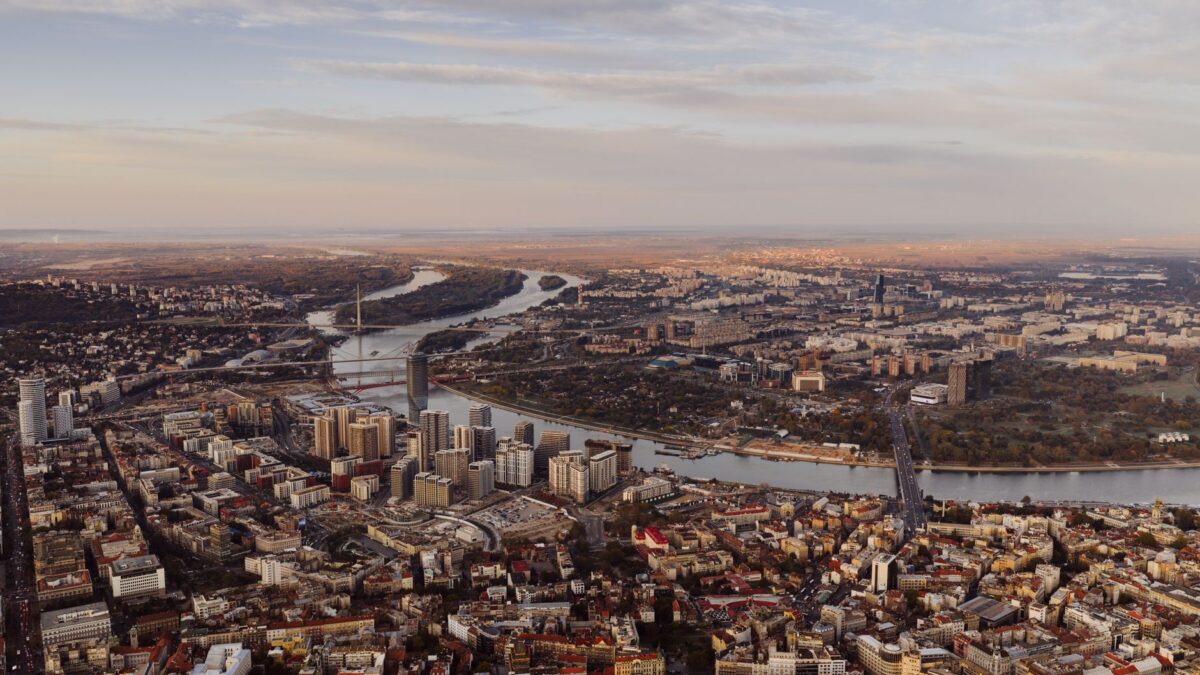
It is mid-September in Belgrade, and the city is holding its breath between summer’s heat and autumn’s chill. The air still carries that heavy, sweet scent of ripening plums and quince drifting from market stalls, a reminder that harvest season has officially begun. For travelers arriving this week, you are stepping into a Belgrade that feels both familiar and electrically charged. The days are warm enough for terrace dining—averaging around 30°C—but the evenings drop to a crisp 19°C, perfect for layering up after dark. Yet, beyond the weather, there is a palpable sense of urgency in the streets. With snap elections called for late October and ongoing political tensions dominating the conversation, your visit now requires a bit more situational awareness than usual. But if you navigate these currents with care, you will find one of the most vibrant, resilient, and affordable capitals in Europe right now.
The Seasonal Rhythm: Warm Days, Cool Nights
As of today, September 11, 2026, the forecast calls for light drizzle and temperatures ranging from 19–30°C. This is classic “late summer” weather in Serbia. The humidity of July has broken, leaving clear skies and golden light ideal for photographing the red rooftops of Zemun or the stone walls of Kalemegdan Fortress. However, because it is early-to-mid September, you should pack for variability. Bring a light rain jacket for those sudden drizzles and a warmer layer for the evenings when the Danube breeze kicks in.
This is also the time when local food markets burst with seasonal produce. You will see an abundance of figs, grapes, and especially plums, which locals are already turning into rakija (plum brandy). It is the best time to visit pekara (bakeries) not just for the daily bread, but to taste fresh burek (meat pie) priced around 250–350 RSD ($2.8), or a hearty ćevapi portion for roughly 500–700 RSD ($6). If you head to Skadarlija, the bohemian quarter, you’ll find the outdoor kafanas still full, but the crowds thinning slightly compared to July.
Political Landscape & Social Climate
You need to be aware that Serbia is currently in a period of intense political flux. On September 9, President Vučić signed a decree dissolving parliament and calling snap parliamentary elections for October 25. A 45-day campaign has begun, with high-stakes rhetoric expected. While this generally keeps the peace, it also means heightened media coverage and occasional public gatherings.
Furthermore, the fallout from the recent burial of Ratko Mladić on September 7 remains a dominant topic of conversation. The event drew government ministers and large public turnouts but triggered EU condemnation and diplomatic friction. You may hear strong opinions expressed in cafes and taxis; while usually polite, the atmosphere can be tense. Additionally, anti-government protests stemming from the Novi Sad canopy collapse continue, with student groups pushing political agendas into the upcoming election. As a traveler, your best approach is to remain neutral, avoid photographing protesters or police lines, and steer clear of any demonstrations, which can occur frequently and occasionally turn violent.
Events, Closures & Transport Disruptions
If you are staying in New Belgrade or using the inner ring road this Sunday, September 13, you must plan around the mts IRONMAN 70.3 triathlon. The event closes Ada Ciganlija to vehicles from 05:00–16:00 and shuts down Most na Adi, Radnička street, Tošin bunar, and parts of the A2 ‘Miloš Veliki’ motorway. Traffic disruptions will ripple across Surčin and the E75 interchange. If you have flights coming or going, check your routes carefully, as these closures affect access to major hubs.
For culture and business travelers, the Belgrade Fair (Sajam) will host the GRAFIMA international graphic/paper industry fair and BIRO-EXPO office equipment fair from September 15–18. Expect increased crowds in the Sajam area and busier public transport links during these dates. Otherwise, the cultural calendar is relatively quiet, allowing you to explore landmarks like the Nikola Tesla Museum or the National Museum without the peak-season crush.
Costs, Transit & Practical Tips
Belgrade remains a bargain destination, largely due to the free public transit system introduced on January 1, 2025. City buses, trams, and trolleybuses are free for everyone. You do not need to buy tickets; simply tap in if required by the app, though enforcement is lenient for visitors. The only exceptions are the A1 airport minibus and E-numbered express minibuses, which still charge fares. Regular airport buses (72, 600, 607) are free. Use the CarGo app for taxis to avoid overcharging; a short ride typically costs 400–800 RSD ($6).
Rents are rising, with a modest one-bedroom outside the center costing around 60,000 RSD ($550) monthly, but for tourists, food and drink prices are very low. An espresso at a local kafana is about 150–220 RSD ($1.7), and a meal at a student canteen (menza) can be had for 200–300 RSD ($2.3). If you stay longer than 90 days, note that visa-free entry applies for up to 90 days within any 180-day period. You must register your address with the police within 24 hours of arrival to receive your “White Card” (beli karton); hotels do this automatically, but private hosts must accompany you to the station.
Where to Go Right Now
With the school year underway, the city feels more grounded. Start at Knez Mihailova Street, linking Republic Square to Kalemegdan, where you can grab coffee at DRIP Specialty Coffee or Artist Specialty Coffee. From there, walk up to the fortress for views of the Sava-Danube confluence. In the evening, head to Savamala for the splavovi (floating club) scene or dine at Zavičaj Balkanska for authentic cuisine. For a quieter evening, cross the bridge to Zemun and climb Gardoš Tower for a panoramic view of the river and the town’s Austro-Hungarian architecture. Safety is generally high, but always use licensed taxis and keep valuables secure in crowded areas like Republic Square.
Frequently asked questions
Are public buses and trams free in Belgrade in September 2026?
Yes, all city buses, trams, and trolleybuses have been fare-free for residents and visitors since January 1, 2025. You only pay for the A1 airport minibus, E-numbered express minibuses, or taxis.
What major transport disruptions should I expect this month?
On Sunday, September 13, the mts IRONMAN 70.3 triathlon will close Ada Ciganlija to vehicles and shut key roads like Most na Adi and parts of the A2 motorway between 05:00–16:00.
Is it safe to travel to Serbia given the current political climate?
Belgrade is generally safe for tourists, but avoid protests and political demonstrations, which are frequent and can turn violent. Stay neutral in conversations regarding recent political events and burials.
Do I need a visa for a short trip to Serbia in 2026?
Visitors from the USA, EU, UK, Canada, Australia, Japan, and Russia can enter visa-free for up to 90 days within any 180-day period, provided their passport is valid for 90+ days beyond departure.
How much does a typical meal cost in Belgrade right now?
A hot meal at a student canteen costs 200–300 RSD ($2.3). A main dish like ćevapi is 500–700 RSD ($6), and an espresso is around 150–220 RSD ($1.7).


