

Singapore etiquette: the dos and don’ts
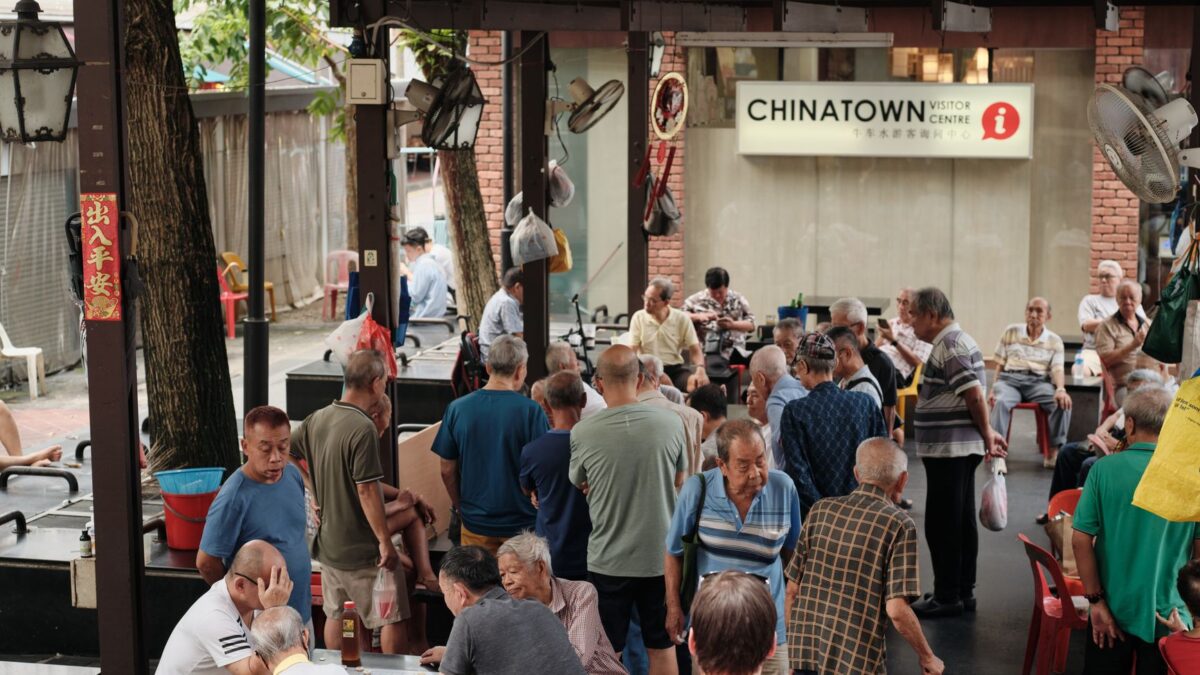
It is 28°C in the shade, but with the humidity clinging to your skin, it feels closer to 38°C. You are standing on Eu Tong Sen Street in Chinatown, waiting for a table at a hawker centre. The air smells of roasted coffee and damp concrete after a light drizzle. In Singapore, etiquette isn’t about stiff formality; it’s about the unspoken choreography of sharing limited space in one of the world’s most dense cities. To be a considerate visitor here, you need to understand the rhythm of our streets, the rules of our food courts, and the quiet respect we hold for our neighbours.
Greetings and the Art of the Small Talk
Singaporeans are generally warm, but we value personal space and efficiency. When meeting someone, a firm handshake is standard in business settings, though friends often hug or pat backs. A simple “Hi” or “Hello” works everywhere. If you want to sound local, learn the Malay greeting “Selamat pagi” (good morning) or the Hokkien “Nǐ hǎo”, but English is the lingua franca, so you will never struggle to communicate.
Small talk is usually brief. We often ask, “Have you eaten?” (“Chiāu bué?”) because food is central to our social bonding. It is not an invitation to dine; it is a polite inquiry into your well-being. Avoid overly personal questions about politics or religion in casual conversation unless your host brings them up. We have a saying: “kiasu” (fear of losing out), which describes our competitive streak, but it also means we appreciate when visitors show genuine interest in our culture rather than just rushing through the checklist.
Hawker Centre Manners: Do and Don’t
The heart of Singaporean dining is the hawker centre. These open-air food courts are where you find a plate of Hainanese chicken rice for around S$4–6 or a bowl of Katong-style laksa for S$5–7. They are affordable, delicious, and democratic. However, they operate on strict unwritten codes.
- Bring your own tray: This is the golden rule. Go to the stall, order your food, then proceed to the clearing station to pick up a tray. Do not wait for staff to bring it to you. Place your tray on the table yourself.
- Share tables: If the centre is full, you must share a table with strangers. This is non-negotiable. Ask politely if there is space. Once seated, keep your belongings close. Do not use bags or jackets as seat cushions; place them under the table or on your lap.
- No lingering: After you finish eating, clear your tray back to the station. Do not leave dirty dishes on the table. If you take too long, other hungry locals will look at you with impatience. Speed is kindness here.
- No noise complaints: Slurping noodles or making chewing noises is acceptable and often seen as a sign that you enjoy the food. Unlike in some Western countries, loud eating is not considered rude in a hawker setting.
If you are dining at a mid-range sit-down restaurant, expect to pay around S$20–40 per person. Here, tipping is not customary. Service charges are typically included in the bill. Leaving loose change on the table is fine, but do not feel pressured to tip 15-20% as you might in the US.
Dress Code and Climate Respect
Singapore is tropical, year-round. Light, breathable cotton or linen clothing is essential. However, indoor spaces—malls, offices, and MRT trains—are aggressively air-conditioned. Always carry a light cardigan or scarf. Walking from 33°C heat into a 19°C mall can cause shock if you are unprepared.
When visiting religious sites like the Buddha Tooth Relic Temple in Chinatown or mosques and temples in Little India and Kampong Glam, modesty is required. Cover your shoulders and knees. Remove your shoes before entering these premises. It is a sign of respect for the sanctity of the space. For general sightseeing, such as walking around Gardens by the Bay or Marina Bay Sands, smart-casual attire is perfect. Swimwear is only appropriate for pools, beaches like East Coast Park, or water parks.
Public Transport and Street Etiquette
Singapore’s public transport system is pristine and efficient. A single short trip on the MRT costs about S$1.28 using an EZ-Link card or contactless bank card. An adult monthly pass for unlimited travel is roughly S$122. To be a considerate rider:
- Yield to seniors: Give up your seat to elderly passengers immediately. This is deeply ingrained in our culture.
- Eating and drinking: It is strictly prohibited to eat or drink on board the MRT and buses. Fines are hefty. Stick to water in sealed bottles if you must hydrate, but even then, it is best to wait until you exit.
- Queue properly: At bus stops and MRT platforms, stand behind the yellow line. Let passengers alight before you board. Pushing forward is considered extremely rude.
- Littering: Never throw trash on the street. Use bins provided. Littering can result in fines of hundreds of dollars. If you drop something accidentally, pick it up. Cleanliness is next to godliness here.
Chewing gum is banned for sale, though you may bring a small personal supply. Do not try to smuggle large quantities. Drug offenses carry severe penalties, including the death penalty for trafficking, so respect these laws without exception.
Cultural Sensitivities and Seasonal Customs
Singapore is multicultural, comprising Chinese, Malay, Indian, and Eurasian communities. Be mindful of dietary restrictions. Many Malays do not eat pork or drink alcohol due to Islamic practices. Hindus avoid beef. When inviting colleagues or friends to dinner, ask about their preferences. It shows you care.
During the Lunar New Year, visit older neighbourhoods like Tiong Bahru or Chinatown. Red envelopes (hongbao) are given to unmarried younger people. Accept them with both hands as a sign of respect. During the Hungry Ghost month (usually July-August, but extending into early September this year), avoid major life events like weddings or house moving ceremonies if you are sensitive to tradition. Offerings of food and incense may be placed on sidewalks; do not disturb them.
As Mid-Autumn Festival approaches in September, lantern displays will appear in malls and hawker centres. At Gardens by the Bay, free evening lantern displays and night markets open in the Supertree Grove. Participate respectfully. Mooncakes are exchanged as gifts. If given a mooncake box, accept it with a smile and a thank you. Opening it immediately in front of the giver is not mandatory but appreciated.
Safety is high, but vigilance matters. Singapore is one of the safest cities globally, yet petty theft can occur in crowded areas like Orchard Road or during festivals. Keep valuables secure. Walk confidently. At night, you can walk alone safely, but stick to well-lit areas.
Finally, embrace the “kopi” culture. Visit a kopitiam for a cup of local coffee, costing about S$1.50–2.50. Order kopi O (black coffee with sugar) or Teh C (tea with milk). It is a ritual of slowing down. Sit, sip, and watch the world go by. That is the true spirit of Singapore: efficient on the outside, warm and communal on the inside.
Frequently asked questions
Do I need to tip at restaurants in Singapore?
Tipping is not customary in Singapore. Most restaurants include a 10% service charge in the bill. Leaving small change is optional but not expected.
Can I eat or drink on the MRT train?
No, eating and drinking are strictly prohibited on all MRT trains and buses. Violators face significant fines. Please consume your food before boarding or after exiting.
What should I wear when visiting temples in Singapore?
You must dress modestly by covering your shoulders and knees. You are also required to remove your shoes before entering the temple premises.
How do I order food at a hawker centre?
Go to the stall, order and pay for your food, then collect a tray from the clearing station. Bring your tray to a shared table yourself; staff do not serve at tables.
Is it safe to walk alone at night in Singapore?
Yes, Singapore is one of the safest cities in the world. You can walk alone at night in most areas, but standard precautions against petty theft in crowded zones still apply.
Things to do in Singapore
 Singapore Light to Night Bike Tour
 Private Custom Singapore Walking Tour (4–8 Hrs, Flexible Plan)
 Private Tour: Sightseeing Daytrip to Johor Bahru from Singapore
 Private Singapore Food Tour: Culture & Local Neighborhoods
 Private Singapore Walking Tour: City Highlights & Hidden Gems
 Beyond Michelin: Chinatown Hawker Food Tour with 8 Tastings