

South Africa etiquette: the dos and don’ts
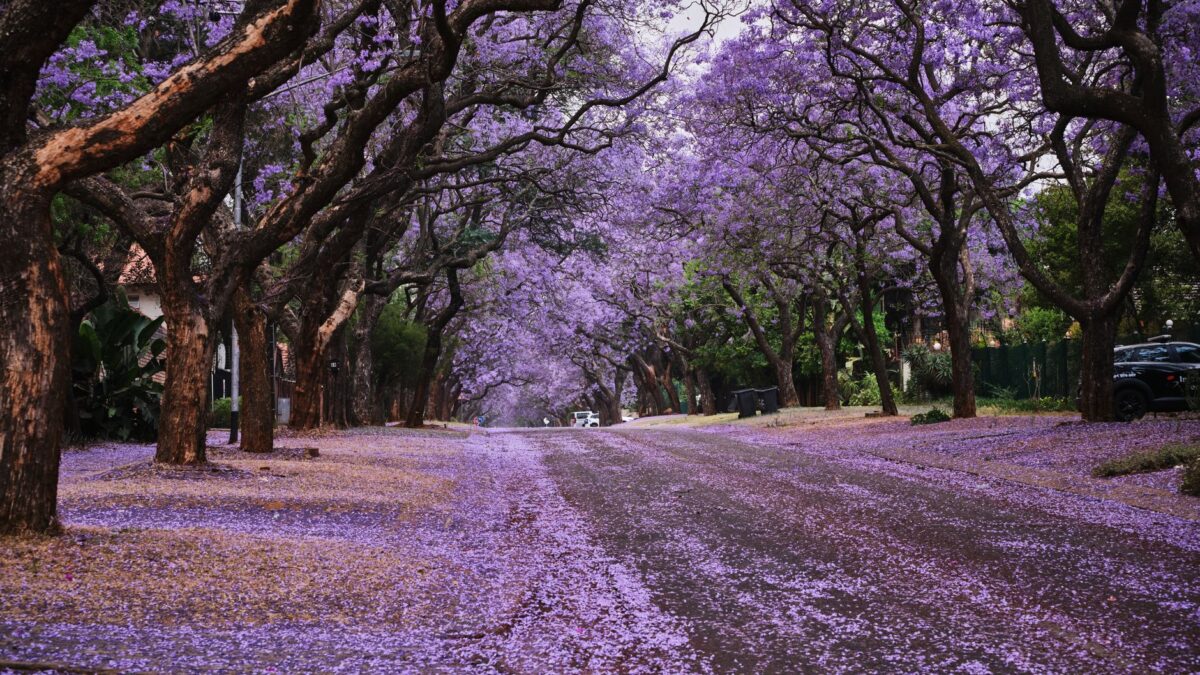
Imagine standing on the terraced gardens of the Union Buildings, the sandstone glowing against a grey Pretoria sky. The jacarandas are just beginning to bud, hinting at the purple haze that will soon define our spring. Here, in the administrative heart of South Africa, you are surrounded by the weight of history and the quiet hum of diplomacy. But beneath the grandeur of the Voortrekker Monument or the bustle of Church Square lies a rhythm that is distinctly local. To truly connect with this city, you must look past the postcard views and understand the small, unspoken rules that govern daily life. This is not about rigid protocol; it is about respect, warmth, and knowing where to find your people.
The Art of the Greeting
In Pretoria, as in much of South Africa, how you start a conversation matters more than what you say. We are a nation built on diversity, and our greetings reflect that tapestry. When you meet someone for the first time, a firm handshake with direct eye contact is the standard. Do not rush it. In the embassy-heavy district of Arcadia, where the Union Buildings loom nearby, formality is appreciated, but a genuine smile bridges any gap between stranger and friend.
As you move into the student hubs of Hatfield or the lively streets of Hazelwood, the vibe shifts. You might hear “Howzit?”—a casual contraction of “How is it?” It is not a question demanding a medical report; it is an acknowledgement. Respond with “Eish, fine” or simply return the greeting. If you are visiting the Waterkloof area, home to over a hundred foreign embassies, you will notice a blend of international etiquette and local warmth. Never skip the initial greeting to jump straight into business or requests. In South Africa, trust is built through these preliminary exchanges. Take the time to ask about their day, their journey, or the weather. It signals that you see them as a person, not just a transaction.
Dining Like a Local
Pretoria’s food scene is a reflection of its geography and history. From the chic tapas bars on 16th Street in Hazelwood to the humble street stalls near Hatfield, eating here is an act of cultural immersion. When you sit down at a place like SMOKE Pretoria or Wood & Fire, remember that tipping is not optional; it is integral to the service economy. A tip of 10% to 15% is standard. If you are grabbing a quick bite, such as a cappuccino from Aroma Gourmet Coffee Roastery (which runs around R38, or roughly $2.1), leaving small change is a nice gesture, though less expected than in a full-service restaurant.
You must try the local staples, but do so with awareness. The Kota—a quarter-loaf of bread stuffed with chips, polony, cheese, and egg—is a beloved street snack found everywhere, costing about R40–R60 ($2.7). Eating one requires a certain looseness of dress and a willingness to get messy. Similarly, the Bunny Chow, a hollowed-out loaf filled with curry, typically costs R80–R100 ($5) and is often eaten with your hands or a spoon if provided. It originated in the Indian community of Durban but is a staple across Gauteng. When dining mid-range, perhaps at The Social Grill for a meal for two (around R600 or $35 total), be prepared for slower service during peak hours. Patience is key. And never refuse a drink offered by a host; in many South African homes, declining a beverage can be seen as rejecting hospitality itself.
Dress Code and Daily Practicalities
Pretoria’s weather can be deceptive. Today, for instance, the forecast shows temperatures between 12°C and 22°C under an overcast sky. Layers are your best friend. While we have a reputation for heat, winter mornings in the valley can be brisk. In terms of dress, South Africa is generally casual, but context is everything. At the Union Buildings or Freedom Park, smart-casual is appropriate, especially given the historical gravity of these sites. However, in the vibrant precincts of Brooklyn or Menlyn Maine, you will see everything from boardroom suits to trendy streetwear.
For women, modesty is respected in conservative or religious settings, but in the cosmopolitan centres like Hazelwood, fashion is expressive. For men, shorts are acceptable in tourist areas and parks, but avoid them in formal government buildings or upscale restaurants. One critical practicality: carry cash. While cards are widely accepted in malls and hotels like Casta Diva Boutique Hotel, smaller vendors, taxi drivers, and street food stalls often operate on cash only. Keep some small denominations of Rand (ZAR) handy. Also, be mindful of your surroundings. Most crime here is opportunistic. Avoid walking downtown after dark, and always lock your car doors. In suburbs like Sunnyside or Arcadia, security is visible—boom gates and guardhouses are common—and you should respect these boundaries by staying within designated safe zones.
Getting Around and Staying Connected
Navigating Pretoria requires a bit of strategy. The city is car-centric, and while the Gautrain offers a sleek, affordable link between Hatfield, Centurion, and Johannesburg (using a Gold Card or contactless payment), it does not cover every neighbourhood. For local travel, Uber and Bolt are reliable and safe, preferred over hailing minibus taxis on the street unless you know the route intimately. If you need a SIM card, visit a store for Vodacom, MTN, or Telkom. Remember the RICA law: you must register your SIM with your passport and proof of address. This is non-negotiable and done instantly in-store.
Holidays and Heritage
Understanding South Africa means understanding its calendar. With Heritage Day approaching on September 24th, you will feel the spirit of the nation. Known locally as Braai Day, it is a celebration of unity through the universal language of the barbecue. Locals gather in parks, backyards, and public spaces to grill boerewors rolls (about R55–R70 or $3) and biltong. It is a day of inclusivity, inviting visitors to join the fire. Participate with respect. Listen to the stories shared around the fire. Heritage Day is not just about food; it is a reminder of the complex, beautiful history that has shaped this land.
When visiting sites like the Kruger House Museum or the Ditsong National Museums, engage with the narratives presented. These institutions hold the keys to understanding the Apartheid era, the liberation struggle, and the pre-colonial histories often overlooked. Ask questions. Guides in places like Freedom Park are passionate and knowledgeable. Your interest validates their effort to preserve memory. Finally, be aware of the economic reality. With inflation around 3.2% and the Rand fluctuating, prices are rising. A simple meal might cost R150 ($8), and rent for a modest flat in the city centre hovers around R7,600 ($410) monthly. Recognise that behind every price tag is a local navigating a challenging economy. Your respectful engagement, whether buying a coffee or hiring a guide, supports livelihoods directly.
Frequently asked questions
What is the standard tipping rate in Pretoria restaurants?
A tip of 10% to 15% is standard in mid-range and full-service restaurants. For casual cafes or street food like Kota stalls, rounding up the bill or leaving small change is appreciated but not strictly mandatory.
Do I need a visa to visit Pretoria, South Africa?
Citizens of the US, UK, EU, Canada, and Australia can enter visa-free for up to 90 days. However, since July 2026, all travellers must file a digital Traveller Declaration via the SARS/South African Traveller Management System (SATMS) before arrival.
Is it safe to walk around Pretoria at night?
Most crime is opportunistic. It is advisable to avoid walking downtown, in parts of Sunnyside, or isolated areas after dark. Use Uber or Bolt for transport, and keep car doors locked if driving.
How do I get a mobile SIM card in Pretoria?
You must register your SIM under the RICA law. Visit a store for providers like Vodacom, MTN, or Telkom with your passport and proof of address. This process is immediate and free at most retailers.
What is Heritage Day and how should I participate?
Heritage Day (September 24) is celebrated as Braai Day. It is a national holiday focused on unity and community. Visitors are encouraged to join local braais (barbecues) respectfully, engaging with the food and stories shared by hosts.
Things to do in South Africa
 India Venster: sensational half-day route up Table Mountain
 Cape Peninsula & Penguins Private Day Tour, Entrances Included.
 Table Mountain Private Hike Tour of Kasteelpoort Route from Cape Town
 Private Full Day Safari (10 hours) in Kruger National Park
 Open Vehical Safari in Kruger National Park Half Day
 HIKE Cape Town-South Africa With a Private Guide