

South Korea in September 2026: what travelers should know now
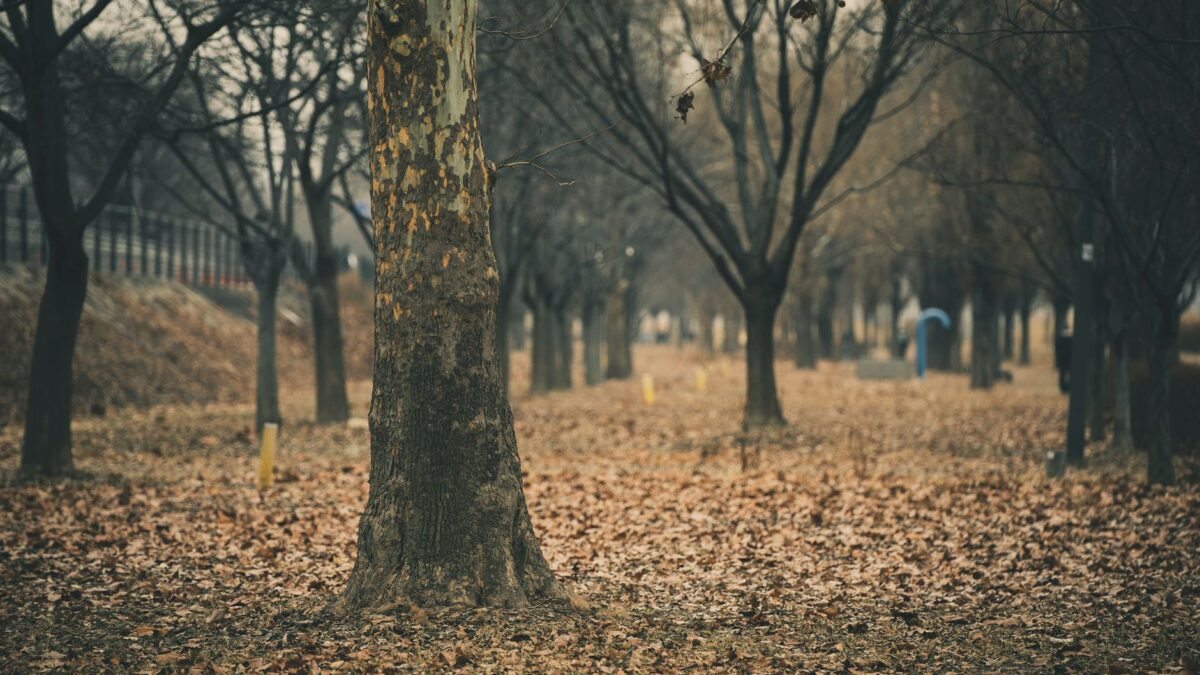
The air in Seoul has shifted. It is that specific, crisp quality locals call cheongmyeong—early autumn’s clear, dry light that makes the city’s skyline pop against a pale blue sky. As of today, September 17, the temperature sits at a comfortable 16–26°C, though you will feel the chill the moment the sun dips below the Han River. This is not the humid, sticky grip of July or August; it is the season when Seoul finally exhales. But while the weather is perfect for walking, the calendar is about to get busy. In just one week, Chuseok begins, transforming the city’s rhythm from tourist-friendly sightseeing to a deep, traditional family pilgrimage.
The Seasonal Shift: Packing and Weather Now
Right now, the days are warm enough for short sleeves, but dawn and dusk demand layers. The forecast shows overcast skies with light winds, but as we move toward late September, expect wider day-night temperature swings. Pack a light jacket or cardigan that you can toss on when the evening breeze picks up. The air is dry, so hydrate more than usual, especially if you plan to hike Bukhansan National Park, which rises sharply on the city’s northern edge. Typhoon Dujuan is currently curving past Japan’s east coast, leaving us with clear, dry skies rather than the stormy disruptions common earlier in the year. However, be aware that strong easterly winds are pounding the south coast and Jeju Island, so if your itinerary includes those areas, check flight status daily.
Chuseok: What Closes and What Gets Busy
This is the most critical update for your trip: Chuseok (추석), Korea’s major harvest festival, falls from September 24 to 26. For travelers, this means two things: significant crowds at transport hubs and closures in non-tourist areas. While major attractions like Gyeongbokgung Palace and Dongdaemun Design Plaza (DDP) remain open, many local restaurants, small shops, and government offices will close as Koreans return to their hometowns to visit ancestral graves and celebrate with family. You will notice a surge in domestic travel; trains and buses fill up weeks in advance. If you plan to visit popular street food markets like Gwangjang Market or Namdaemun Market, go early in the morning before the holiday rush peaks. Conversely, the city center may feel quieter in the evenings as residents head home. Embrace the seasonal shift: you will see stalls selling songpyeon (half-moon rice cakes) and fresh pears, the traditional fruit of the harvest. It is a beautiful cultural immersion, but plan your dining reservations now, as mid-range spots fill quickly.
Festivals and Events: What’s Happening This Week
Despite the holiday approaching, Seoul is hosting several high-profile events right now. First, GES·Entertech Seoul 2026 kicks off tomorrow, September 18, at DDP and the JW Marriott Dongdaemun Square. This content and tech festival merges K-pop, AI, XR, and gaming, offering a glimpse into Korea’s digital future. If you are interested in tech or pop culture, the opening ceremony is a must-see. Meanwhile, the Hyundai Seoul in Yeouido is running its ‘HELLO SEOUL’ shopping festa through September 20, featuring a royal court ceremony parade and K-art exhibitions—a great blend of tradition and modern retail.
>
For outdoor lovers, the Car-Free Jamsugyo Bridge Festival continues every Sunday afternoon through October 25. The bridge closes to traffic, turning into a pedestrian zone for water-gun battles, traditional performances, and field-day activities. It is a lively, community-focused event perfect for a relaxed Sunday. Also, do not miss the Seoul Light DDP 2026 Autumn show, which runs until September 13. Although it ends soon, the free media-art and laser show on DDP’s facade, themed ‘K-Original Light,’ remains a stunning visual highlight if you are still in town.
Transport Updates: Line 7 Changes
A practical note for commuters and travelers using the subway: Line 7’s northern terminus at Jangam Station will shut for a month starting October 2, to prepare for the Dobongsan–Okjeong rail link. Trains will currently run only as far as Dobongsan Station, with a free shuttle operating from 5 am to midnight to cover the gap. This is already affecting northern-line commuters, so if your hotel or plans involve the Jangam area, adjust your route accordingly. For general transit, stick to the T-money card, which works across all buses and subways. The base fare is 1,550 KRW with a transit card, a slight increase from previous years but still affordable. Tourists can also buy short-term Climate Card passes (1-day for 5,000 KRW or 5-day for 15,000 KRW) for unlimited rides.
Costs and Crowds: Is It Expensive?
September is technically shoulder season, meaning prices are not at their peak summer highs, but Chuseok will drive up accommodation costs in the final week of the month. Everyday dining remains reasonable, though prices have climbed roughly 3–5% over the past year. A bowl of jajangmyeon (black-bean noodles) averages 7,500–7,700 KRW (about $6), while a set meal of kimchi jjigae with rice and sides runs 8,500–8,700 KRW (about $6). Street food is still a bargain: a roll of gimbap is around 3,700 KRW (about $2.7), and tteokbokki (spicy rice cakes) costs 3,000–5,000 KRW (about $2.9). For a fuller meal, samgyeopsal (grilled pork belly) at a mid-range BBQ restaurant is approximately 20,000 KRW (about $15). If you are staying longer, the monthly ‘Climate Card’ pass costs 65,000 KRW (about $50), offering excellent value for unlimited metro and bus travel.
Practical Tips for Arriving Now
If you are booking flights for late September, ensure you have your K-ETA approved if you are from a visa-waiver country; this was reinstated as mandatory in 2025 and is required before boarding. Once in Seoul, get a T-money card immediately from any convenience store for seamless transit. For banking, foreigner desks at banks like KEB Hana (Myeongdong) or Woori (Itaewon) can open passport-only accounts, though debit cards arrive by mail after a week. Remember, a Korean phone number is essential for apps like KakaoTalk and delivery services, so consider buying a prepaid SIM at Incheon Airport from KT, SK Telecom, or LG U+. Safety is generally high, with low violent crime, but stay alert for online scams targeting newcomers and be mindful of garbage-sorting rules, which are strictly enforced. Enjoy the crisp air and the vibrant energy of Seoul as it transitions into autumn.
Frequently asked questions
When is Chuseok in 2026 and how does it affect travel?
Chuseok runs from September 24 to 26, 2026. During this time, many local businesses close, and public transport becomes very crowded as people travel home. Major tourist sites remain open, but book restaurants and hotels early.
Is the Line 7 subway station Jangam closed yet?
As of mid-September, Line 7 trains stop at Dobongsan Station. Jangam Station will officially shut for construction starting October 2, with a free shuttle service available until then.
What is the current weather in Seoul in September?
Expect temperatures between 16–26°C with overcast skies and light winds. Days are warm, but evenings get chilly, so pack layers. Typhoon Dujuan is currently diverting away from Korea, leaving dry conditions.
How much does a single subway ride cost in Seoul now?
The base fare for adults using a T-money card is 1,550 KRW (about $1.1). Cash single-ride tickets cost 1,650 KRW.
Are there any major festivals happening in late September?
Yes, GES·Entertech Seoul 2026 starts September 18 at DDP, and the 'HELLO SEOUL' shopping festa runs at Hyundai Seoul until September 20. The Car-Free Jamsugyo Bridge Festival also occurs every Sunday through October.
Things to do in South Korea
 Busan Small Group Guaranteed Sky Capsule with Door To Door Pickup
 Private DMZ Tour with North Korean Defector + N Korean Lunch
 Royal Seoul Cooking Class in a 100-Year-Old Hanok
 Seoul Vegan & Vegetarian Gwangjang Market Food Tour (11 Tastings)
 Make Traditional Korean Rice Wine (Makgeolli)
 Private Seoul or DMZ Tour