

Sweden in August 2026: what travelers should know now
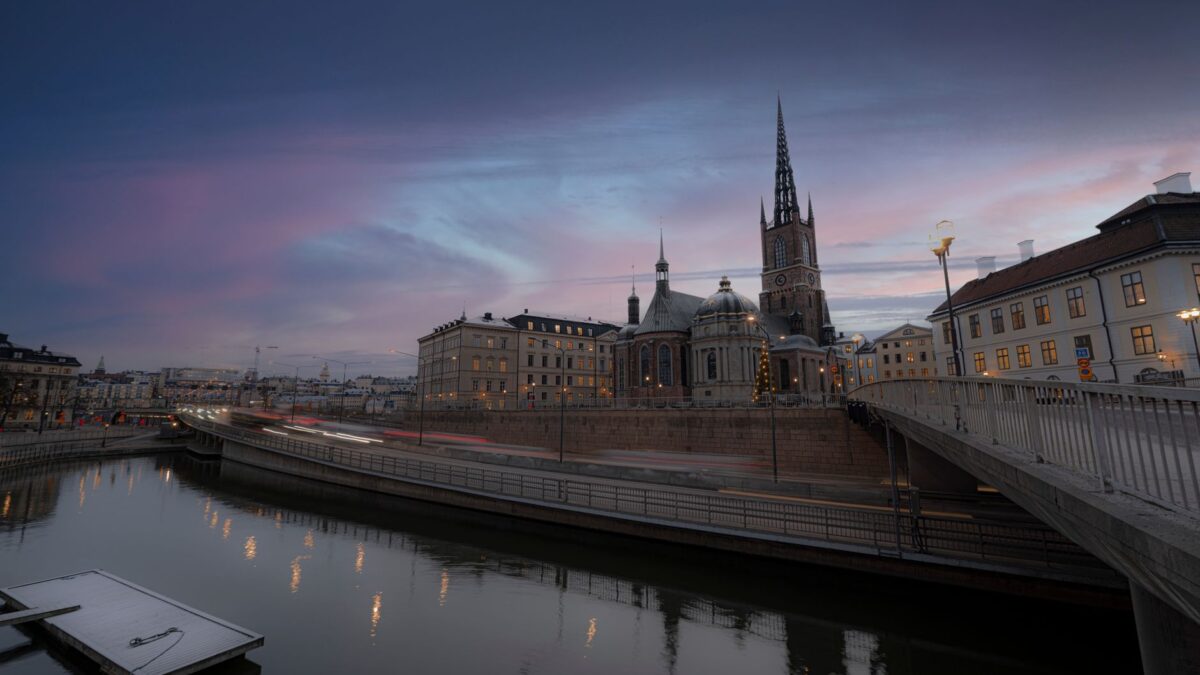
There’s a particular August feeling in Stockholm when the light starts to soften and the first drizzle rolls in off the Baltic. As I write this on the 21st, we’re sitting at 13–19°C with a gentle 1mm of rain spread over five hours — nothing that should stop you, but enough to make that light jacket earn its place in your bag. The sun still rises at 05:19 and doesn’t set until 20:22, so the long evenings are very much alive. This is the tail end of peak season: the crowds are thinning slightly, but the city is still humming with summer energy. If you’re arriving in the next few weeks, you’re catching Stockholm at its most golden — literally and figuratively.
What August means here right now
August is the last full month of the Swedish summer, and while the weather can be fickle — think warm afternoons followed by cool, damp evenings — it’s also when locals soak up every last ray. The dagens rätt (today’s lunch) is still going strong in restaurants across the city; it’s the most affordable way to eat out, usually around 130–150 SEK (about $13) for a hearty meal with bread, salad, and coffee. You’ll find it everywhere from Södermalm’s casual spots to Norrmalm’s office-lunch haunts.
Pack layers. A waterproof shell, a warm sweater, and comfortable shoes for cobblestones. The drizzle won’t ruin your day, but it will make you grateful for that hat and scarf for the evenings. The archipelago boats still run, and the open-air museums are at their fullest — Skansen and the Vasa Museum are both on Djurgården and worth every krona (Vasa is about 190 SEK for an adult ticket).
What’s happening in the coming weeks
We’re just past the big national holidays — Midsummer was in June, and the next public holiday is All Saints’ Day in early November, so no closures to worry about in the immediate future. That means everything is open, and the city is in full swing. The main thing to note is that many Swedes take their holidays in July, so August sees a gradual return to normal — offices fill up, and lunch queues get longer, but the tourist infrastructure is still running at peak efficiency.
On the culture front, Fotografiska on Stadsgårdshamnen always has something thought-provoking on, and the view from its rooftop bar is worth the visit alone. If you’re into design, the Stockholm Public Library in Vasastan is a masterpiece — Gunnar Asplund’s rotunda is both architectural and literary heaven. And don’t skip the metro art at T-Centralen; it’s free, and it’s the world’s longest art exhibition.
Money matters: what things cost now
Stockholm remains one of Europe’s pricier capitals, but knowing the game helps. The Swedish krona is around 10.57 per US dollar (as of 2024 data), and inflation is low at 0.7%, so prices are stable. Here’s a quick reality check:
- Transit: A single SL ticket is about 43 SEK (≈ $4) for 75 minutes, or 1,060 SEK (≈ $100) for a 30-day pass. Tap your contactless card at the gate or use the SL app. A fine for fare evasion is hefty — around 1,500–1,850 SEK — so just pay up front.
- Food: Coffee runs 40–50 SEK, a beer at a pub 75–90 SEK, and a main course at a mid-range dinner place 300–400 SEK. But the dagens lunch is your best friend at 130–150 SEK.
- Hotel: A mid-range double will set you back about 1,800–2,500 SEK per night. Look at places like Home Hotel Tapetfabriken or Hotel Tre Små Rum for character without the Östermalm price tag.
- Groceries: Milk is 17–20 SEK, a loaf of bread 35–40 SEK — so self-catering can cut costs if you’re staying longer.
Rent for a modest one-bedroom in the centre is 12,000–16,000 SEK a month — that’s for long-stayers, not tourists, but it gives you an idea of the local cost base.
Where to spend your time this month
You want the real Stockholm? Here’s where to go, neighbourhood by neighbourhood:
- Södermalm (Söder): The creative, slightly counterculture south island. Walk the Monteliusvägen cliff for a free panoramic view over Gamla Stan, then disappear into SoFo (south of Folkungagatan) for vintage shops and cafés. Try Komet Café or Drop Coffee Roasters for a proper brew.
- Gamla Stan: The medieval old town — cobblestones, Stortorget square, the Royal Palace and Storkyrkan. It gets packed by midday, so go early or late. For a quieter moment, duck into the Hallwyl Museum, a time-capsule palais just off the main drag.
- Östermalm: The wealthy east side — Bibliotekstan for upscale shopping, Stureplan for nightlife, and the grand Östermalms Saluhall for foodie souvenirs like Västerbotten cheese. If you’re near Nybrogatan, Mom’s Kitchen is a solid lunch stop.
- Vasastan: Leafy and residential, this is where locals actually live. Have a fika at Café Pascal or Volca Coffee Roaster, then stroll to Vasaparken.
- Djurgården: The green museum island — Vasa, Skansen, ABBA, Nordiska Museet, Gröna Lund. It’s all here. Book tickets ahead for Vasa to skip queues.
Practical notes for your arrival
You’re landing in a cashless society — bring your contactless card and phone. The city is safe, but keep an eye on your belongings in Gamla Stan and around Centralstation; pickpockets like the crowds too.
Buy a prepaid SIM at any Pressbyrån or 7-Eleven if you need data; the big networks are Telia, Tele2, Telenor, and Tre, with budget options like Comviq and Hallon riding on the same infrastructure. For transit, the SL Center inside Stockholm Centralstation (Vasagatan entrance) can sort you out in person.
If you’re staying longer and considering moving here, start the personnummer process at Skatteverket ASAP — it takes weeks, and you’ll need it for everything from bank accounts (SEB, Swedbank, Handelsbanken, or Nordea) to getting a Swedish ID card (about 400 SEK). Then activate BankID and install Swish to live like a local.
This month’s little extras
Take a ferry from Slussen to Djurgården — it’s part of the SL network and gives you a gorgeous harbour view. And if you’re after a splurge, book a table at Rolfs Köp or Bistro Bestick City — both are beloved by locals for New Nordic cooking without the tourist markup.
Finally, remember that the sun still sets after 20:00 — so use those long evenings. Take a stroll along Strandvägen, watch the light hit the City Hall from Riddarholmen, and just breathe. Stockholm in late August is a city letting out a contented sigh before autumn arrives.
Njut av din vistelse — enjoy your stay.
Frequently asked questions
What's the weather like in Stockholm in late August 2026?
Expect 13–19°C with occasional drizzle — about 1mm of rain over a few hours. Bring layers and a waterproof jacket. You'll still get long daylight until around 20:22.
Is late August peak tourist season in Stockholm?
It's the tail end of peak season. Crowds are thinning slightly, but museums like Vasa and Skansen are still busy. Book ahead for popular spots and expect moderate prices.
What is the dagens rätt in Stockholm?
It's the 'today's lunch' special, usually served weekdays from 11:30–14:00. It costs about 130–150 SEK and includes a main course, salad, bread, and often coffee — the best value meal in the city.
How do I get around Stockholm with public transport?
Use SL for metro, bus, and tram. A single ticket is about 43 SEK for 75 minutes, or get a 24h/72h/7-day pass via the SL app or contactless card at gates. Arlanda Express is separate.
Is it easy to pay with cards in Stockholm?
Yes, Sweden is virtually cashless. Use a contactless card or phone for everything. Keep a card for transit as well — tap at SL gates works with Visa/Mastercard.


