

Switzerland etiquette: the dos and don’ts
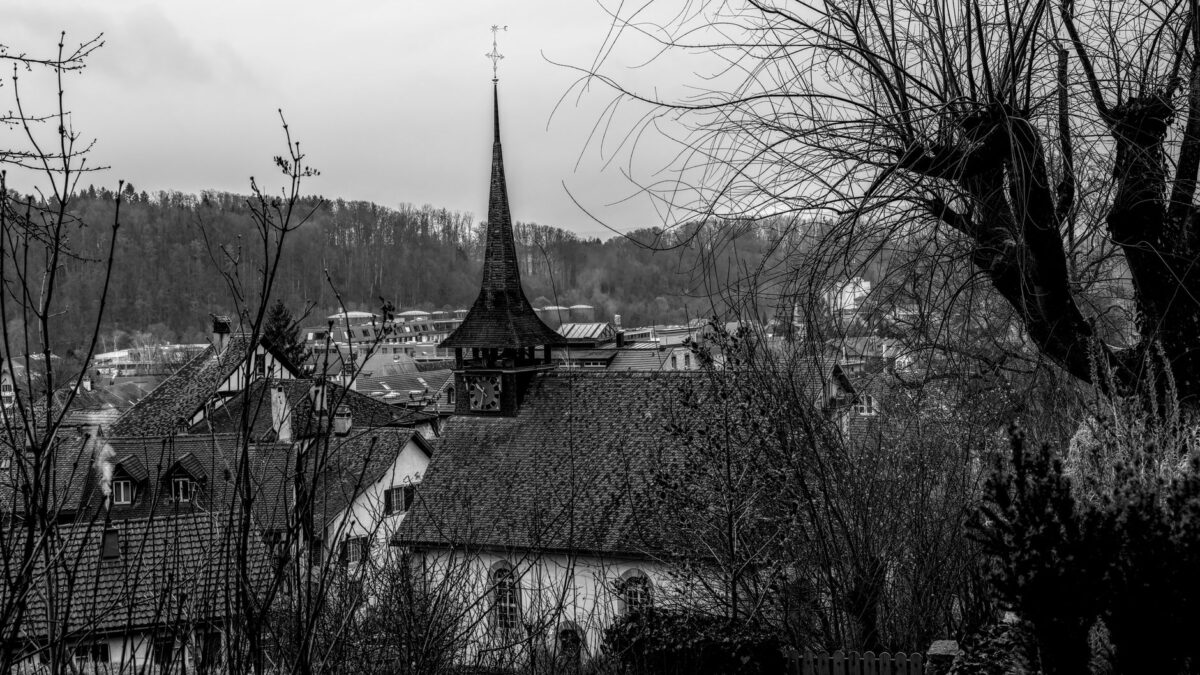
The fog is already settling into the Aare valley, turning the sandstone arcades of the old town a bruised purple as dusk falls at five. It is November in Bern, and the air smells of damp wool, chestnuts, and the metallic chill of early winter. You are standing near the Zytglogge, watching the astronomical clock prepare for its hourly performance, but before you step into the crowd, there is a rhythm to this city you must learn. Switzerland is not merely a collection of postcard landscapes; it is a society built on quiet agreements, punctuality, and a profound respect for shared space. To visit here is to be invited into a delicate ecosystem. Here is how to navigate it with grace.
Greetings and the Art of the Quiet Interaction
In Paris or Berlin, you might stride into a shop shouting a greeting. In Bern, that is a faux pas. The local custom is the Guten Tag (Good day). It is brief, polite, and expected. Whether you are entering a bakery on Kramgasse or stepping onto a tram, a clear, audible greeting to the staff or those around you signals that you are a considerate visitor. Silence can be interpreted as indifference or even aggression in these tight quarters.
This extends to your volume. Bern is a UNESCO World Heritage site, meaning the medieval core is protected not just architecturally, but atmospherically. The Lauben—the 6 km of covered arcades—are intimate spaces. Keep your voice down. If you are on a guided tour or with a group, stay close together. Locals appreciate visitors who understand that public silence is a form of communal respect. When you speak German, French, or Italian, the Swiss will switch seamlessly to English, but making the effort to use the local greeting earns you a warmth that is otherwise reserved.
Dining: Precision, Punctuality, and Payment
Eating in Switzerland is an exercise in precision. If you have a reservation at a place like the Kornhauskeller Restaurant & Bar or the Altes Tramdepot Brauerei Restaurant, arrive exactly on time. Being late is seen as disrupting the kitchen’s carefully choreographed service. Conversely, do not rush your host. Meals are leisurely affairs, even if the bill arrives quickly.
Speaking of the bill, here is a crucial distinction from North America: tipping is not mandatory, nor is it expected to be lavish. Service charges are included in the price. However, it is customary to round up or leave about 5–10% if the service was good. If your meal at an inexpensive local restaurant costs around CHF 24, leaving CHF 25 or CHF 26 is perfect. For a three-course mid-range dinner where you might spend around CHF 50 per person, rounding up to the nearest five or ten francs is the standard gesture of appreciation. Never leave coins on the table unless they are change returned to you; instead, hand the waiter the total amount you wish to pay, or leave the tip clearly visible on the counter.
When dining, wait for everyone at the table to be served before you begin eating. This applies whether you are sharing a heavy platter of Berner Platte or enjoying Rösti. And while you are there, note that water is often charged if you ask for bottled water; tap water is safe and excellent, so you can simply ask for “Leitungswasser” if you wish to save money, though many cafes prefer you order a coffee—around CHF 5.60 for a cappuccino—to support their business.
Dress Code: Understated Elegance
You will notice that Bernese style is understated. There is very little flash. The locals dress for comfort and quality, favoring layers that handle the damp Mittelland autumn well. You do not need to dress formally to enter most restaurants or bars, but avoid wearing gym clothes or beachwear outside of those specific contexts. Smart casual is the universal key.
If you plan to visit the Bundeshaus, the Swiss parliament building, modesty is required. No shorts, sleeveless tops, or flip-flops are permitted for the free guided tours. Bring a passport or ID, as security is strict. For general sightseeing, comfortable walking shoes are non-negotiable. The old town is paved with cobblestones, and the inclines toward the Münsterplattform can be steep. Practicality wins over fashion here.
Public Transport and Street Etiquette
Switzerland runs on time. The trams and trolleybuses run by BERNMOBIL are models of efficiency. When a tram arrives, let passengers exit before you board. Do not block the doors. If you are carrying a large backpack, hold it by the top handle or place it on your lap to minimize space taken up in the carriage. Silence is also preferred on public transport; loud phone calls or music without headphones are frowned upon.
Be aware of the fare zones. Bern sits in zones 100/101 within the Libero network. A single ticket costs about CHF 4.60, but if you are staying longer, a monthly pass is around CHF 82. Hotel guests should always ask for the Bern Ticket at check-in; it covers all local transport and even the funiculars to the Gurten. Pay attention to the announcements. If the conductor checks your ticket and finds you without one, the fine is significant—much higher than the cost of a ticket. Validating your e-ticket on the yellow machines inside the tram is essential; failing to do so is treated as traveling without a ticket.
Nature and the Outdoors: Respect the Wild
Bern is defined by the Aare river. In summer, the Aareschwamm (Aare swimming) is a local ritual, but in November, the water is freezing and dangerous. Respect the signage. If a stretch is marked as unsafe or closed, do not cross the barriers. The current is strong, and the weirs are lethal. Locals swim only in marked stretches, often with a companion and a dry bag. As a visitor, admiring the view from the Rosengarten terrace or the BärenPark is safer and equally rewarding.
When hiking on the Gurten, the local mountain, stay on the marked paths. Littering is strictly prohibited and heavily fined. The Swiss take pride in their cleanliness; you will find that trash cans are sparse because people carry their waste home. Follow suit. If you stop for a snack, ensure your wrappers go into your pocket until you find a bin or return to your accommodation.
Final Thoughts
Being a considerate visitor in Switzerland is less about memorizing rigid rules and more about adopting a mindset of mindfulness. It is about recognizing that you are a guest in a highly functional, quiet society. By greeting warmly, tipping fairly, dressing appropriately, and respecting the silence and nature around you, you will find that the Swiss reciprocate with a hospitality that is deep, genuine, and enduring. Enjoy your time in Bern—perhaps ending your evening with a Glühwein at a chestnut stand as the lights of the old town flicker on against the grey sky.
Frequently asked questions
How much should I tip in Switzerland?
Tipping is not mandatory as service is included. However, it is customary to round up the bill or leave 5-10% for good service. For example, on a CHF 24 meal, leaving CHF 25 or 26 is appropriate.
What is the dress code for visiting the Bundeshaus?
Modest attire is required. Shorts, sleeveless tops, and flip-flops are not permitted for guided tours. You must also bring a valid passport or ID for security checks.
Do I need to validate my tram ticket in Bern?
Yes. If you buy an e-ticket or paper ticket, you must validate it on the yellow machines inside the tram or bus before boarding. Failure to do so results in a heavy fine.
Is it rude to speak loudly on public transport?
Yes. Swiss public transport culture values quiet. Loud phone conversations or playing music without headphones are considered disruptive and impolite.
Things to do in Switzerland
 Best of Bernese Oberlands from Luzern
 Luzern / Lucerne Professional Paragliding Tandem Flights
 Alsace wine tour and medieval villages. Small group guided tour
 Vine Stories: Lavaux & Lutry wine walk
 Lake Luzern pick and mix Tour - Burgenstock, Rigi Seebodenalp and Luzern
 3 Hour Unique Wine Tour - Half Day in Swiss Alps