
Tanzania etiquette: the dos and don’ts
The dust of Dodoma doesn’t just settle on your shoes; it settles into the rhythm of your day. Standing near the pink and white domes of the Gaddafi Mosque, you feel the dry heat of late September pressing against the sky. This is not the humid, chaotic energy of Dar es Salaam, nor the misty coolness of the highlands. Here, in the heartland of the Wagogo people, time moves to the beat of a different drum. As the capital city, Dodoma is where Tanzania’s political soul beats strongest, but for the visitor, it is also a masterclass in quiet respect. To navigate this city with grace, you must understand that etiquette here is less about rigid rules and more about recognizing the dignity of the person standing next to you.
Greetings: The Art of the Handshake
In Tanzania, a greeting is not a formality; it is a ritual of connection. When you meet someone, whether you are at a government office near Nyerere Square or grabbing coffee at Maisha Café in the upscale Area D, do not rush straight to business. A firm, warm handshake is essential, often accompanied by a slight bow of the head and eye contact. If you are meeting an elder or a person of higher status, wait for them to extend their hand first.
Use Swahili greetings to break the ice. Sikujambo? (How are you?) followed by Hakuna matata (No problems) or simply Nzuri (Good) goes a long way. In Dodoma, where the CCM political influence is strong and the administrative pace is deliberate, showing patience during these exchanges is seen as high courtesy. Do not be offended if a conversation lingers for ten minutes before topics turn to work; skipping this step can make you appear cold or transactional. Remember, you are not just visiting a city; you are entering a community where relationships matter more than schedules.
Dress and Demeanor: Modesty Meets Modernity
Dodoma is conservative. While you may see tourists in shorts in the safari parks, in the city proper, especially around the Bunge (National Assembly) complex or when visiting religious sites, modesty is key. For men, smart-casual attire is appropriate; for women, covering shoulders and knees is the standard, particularly when interacting with older generations or in formal settings. The weather here ranges from 17°C to 32°C, so light cottons are practical, but avoid revealing cuts.
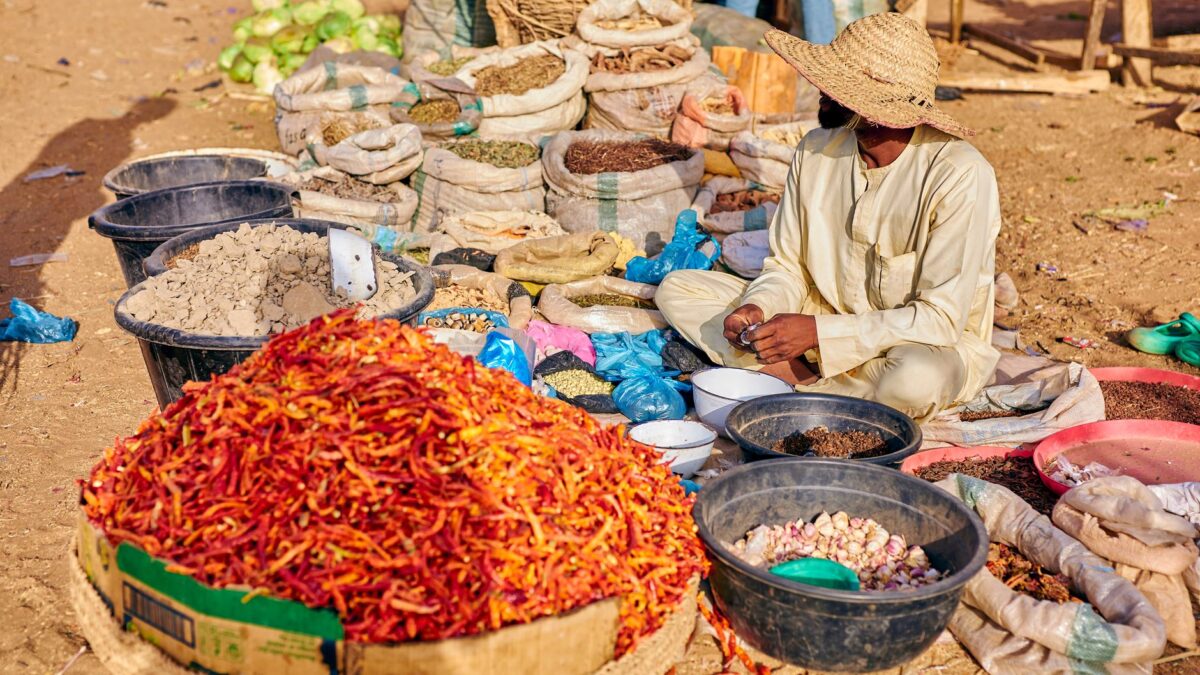
If you find yourself near the Anglican Cathedral or the Gaddafi Mosque, dress with extra care. It is a sign of respect for the spiritual significance of these landmarks. Additionally, be mindful of your demeanor. Dodoma is known as a calm, low-crime town, but it is also a place of serious governance. Loud, boisterous behavior in public spaces, such as Independence Square or the quiet streets of Chamwino, can draw unwanted attention. Keep your voice moderate, and always ask permission before photographing people. In markets like Soko Kuu or Majengo, many vendors appreciate a small tip or a friendly word rather than being treated as photo props without consent.
Dining and Tipping: Sharing the Table
Food in Dodoma is an act of sharing. Whether you are eating ugali and nyama choma at a local kitchen in the Mlimwa district or dining at The Baobab Restaurant, remember that meals are often communal. If invited to a home, arrive on time, but be prepared for the host to insist you eat more than you initially planned; refusing too strongly can be seen as rejecting their generosity. Use your right hand for eating traditional foods, as the left is traditionally reserved for hygiene purposes.
Tipping is appreciated but not strictly mandatory in the same way it is in Western countries. However, in mid-range establishments like THE BISTRO or Chef’s pride, leaving 5-10% is common practice. For a meal costing around 9,500 TZS (about $4) at an inexpensive local spot, rounding up the bill is a kind gesture. In bars serving Safari or Kilimanjaro beer, tipping the bartender directly is a nice touch. Always carry small denominations of Tanzanian shillings; while mobile money via M-Pesa or Airtel Money is ubiquitous, cash remains king for small transactions and tips. Be aware that prices in Dodoma are roughly a third of those in Dar es Salaam, so your budget stretches further, but quality expectations should align with local standards.
Navigating Space and Commerce
When moving through Dodoma, respect the flow of traffic and pedestrian space. The daladala minibuses are the lifeblood of the city, but they can be crowded. Offer your seat to elders, pregnant women, or those carrying heavy goods. This simple act is universally respected. When bargaining in markets like Kisasa or the meat market in Msalato, do so with a smile and good humor. Aggressive haggling is frowned upon. Start at about 70% of the asking price and meet in the middle. If a vendor refuses to budge, thank them politely and walk away; often, they will call you back with a better offer.
Be cautious with photography. While the view from Lion Rock (Simba Hill) is breathtaking, ensure you are not infringing on private property or sensitive government areas. The National Assembly complex has restricted zones; respect the barriers and signage. Similarly, when visiting Lake Hombolo, keep litter to a minimum and respect the wildlife. The flamingos and pelicans there are part of a fragile ecosystem that deserves your silent appreciation.
The Small Customs That Matter
One of the most important customs to observe is the concept of ujamaa, or familyhood. Show interest in your companion’s family, ask about their health, and listen actively. In Dodoma, where the population is growing and the city is transforming, people value genuine human connection. Avoid discussing controversial political topics unless you know the person well. The city is quietly CCM-leaning, and politics can be sensitive. Instead, focus on culture, sports, or the beauty of the landscape.
Finally, be patient with infrastructure. Power and water cuts can occur, though they are becoming less frequent. If this happens, do not show frustration. Locals have adapted, and joining them in calm acceptance is the best way to blend in. Carry a copy of your eVisa and registration papers, as immigration checks can be strict. Embrace the slow pace, enjoy the warm hospitality, and let the spirit of Tanzania guide your steps. You will leave Dodoma not just with photos, but with a deeper understanding of what it means to be a guest in this remarkable land.
Frequently asked questions
What is the appropriate dress code in Dodoma?
Modest clothing is expected. Cover shoulders and knees, especially near religious sites like the Gaddafi Mosque or Anglican Cathedral. Smart-casual attire is suitable for urban areas.
How should I greet people in Tanzania?
Use a warm, firm handshake with eye contact. Start with Swahili greetings like 'Sikujambo?' and take time for small talk before discussing business, as relationships are prioritized.
Is tipping required in Dodoma restaurants?
Tipping is not mandatory but appreciated. Rounding up bills at local spots or leaving 5-10% at mid-range hotels like La Stanar Hotel is a kind gesture. Cash in small TZS notes is preferred.
Can I photograph locals and government buildings?
Always ask permission before photographing people, especially in markets. Do not photograph restricted areas like the inside of the Bunge (National Assembly) or security perimeters.
What currency should I use for daily transactions?
Tanzanian Shillings (TZS) are essential for small trades, markets, and tips. Mobile money (M-Pesa/Airtel Money) is widely used, but carrying cash is necessary for street vendors and taxis.


